A growing global health concern has prompted scientific calls for immediate intervention regarding free-living amoebas, a lesser-acknowledged category of microorganisms. The subsequent information aims to provide essential details about this subject.
- What is the ‘brain-eating amoeba’ and what is its level of danger?
- What factors contribute to the resilience of these amoebas?
- Understanding the ‘Trojan-horse effect’ and Its Significance
- Climate Change Exacerbating the Amoeba Threat
- Assessing the Vigilance of Water Systems for Microbial Contaminants
- Broader Health Implications Beyond Neurological Infections
- What preventative measures are being implemented to mitigate this hazard?
- Should individuals be concerned about their potable water supply or engaging in aquatic activities?
- What personal protective measures can be adopted?
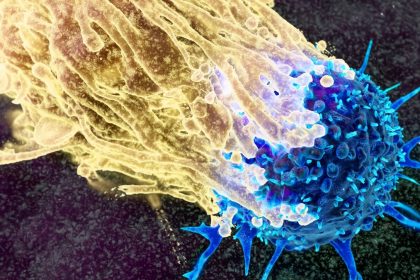
Free-living amoebas are unicellular entities that are capable of independent existence, without necessitating a host organism. Their prevalence spans terrestrial and aquatic environments, from temporary surface water collections to larger bodies of water such as lakes.
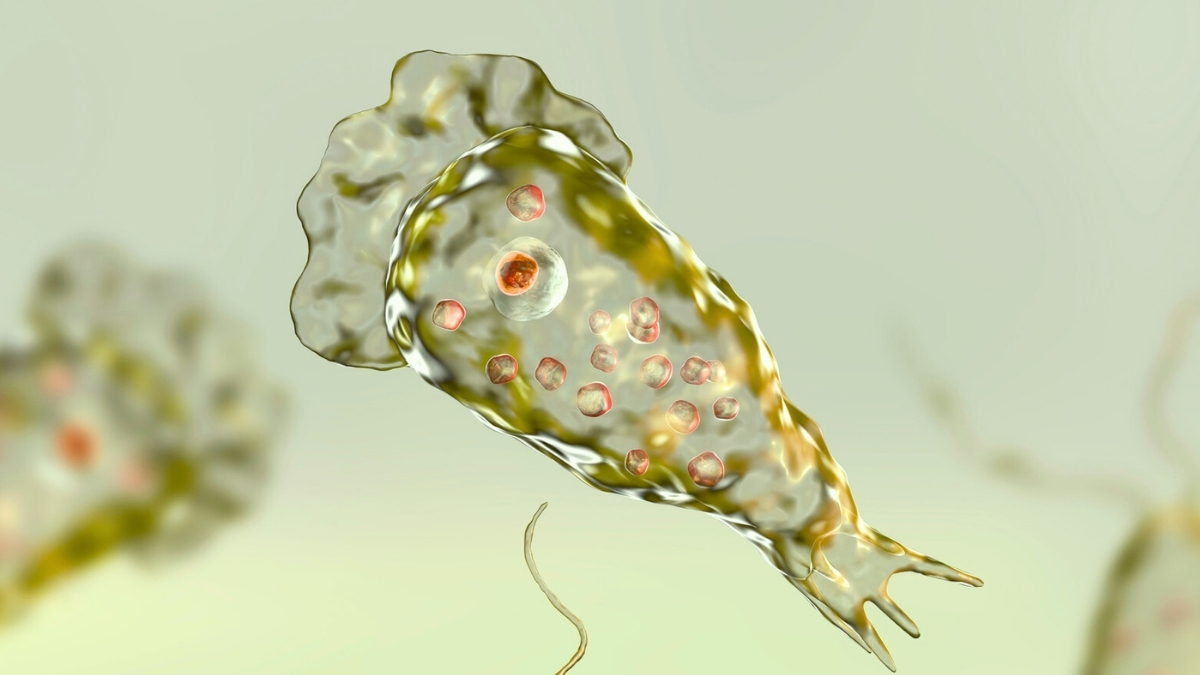
A distinguishing characteristic of these microorganisms is their remarkable adaptability in altering their cellular form and facilitating locomotion through the extension of transient, arm-like appendages known as pseudopodia, which literally translates to “false feet.” This inherent capability enables them to flourish across a diverse spectrum of ecological niches.
What is the ‘brain-eating amoeba’ and what is its level of danger?
The most widely recognized free-living amoeba is Naegleria fowleri, colloquially termed the “brain-eating amoeba.” Its natural habitat is warm freshwater bodies, typically maintaining temperatures between 30°C and 40°C, encompassing lakes, rivers, and geothermal springs. However, its incidence in cooler climates, such as the United Kingdom, is infrequent due to the prevailing low temperatures.
Infection is initiated when water contaminated with the amoeba enters the nasal passages, most commonly during recreational activities like swimming. Subsequently, the amoeba migrates along the olfactory pathways to the brain, where it inflicts damage on neural tissue. The prognosis for individuals infected with this organism is overwhelmingly grim, with a fatality rate ranging from 95% to 99%.
Instances of Naegleria fowleri have occasionally been detected in potable water systems, particularly when water temperatures are elevated and chlorination levels are insufficient. Certain individuals have contracted the infection subsequent to employing contaminated tap water for nasal irrigation as part of religious or health practices.

It is important to note that ingestion of contaminated water does not lead to infection, and the disease is not transmissible between individuals.
What factors contribute to the resilience of these amoebas?
Effective water treatment protocols, including adequate chlorination, can neutralize brain-eating amoebas. Nevertheless, their complete eradication from water distribution systems presents significant challenges.
When these microorganisms adhere to biofilms – aggregations of microorganisms that form within pipe networks – disinfectants such as chlorine experience diminished efficacy due to inhibited penetration. Furthermore, the presence of organic matter can compromise the effectiveness of these disinfectants.
The amoeba possesses the capability to endure elevated temperatures by forming “cysts,” which are robust protective outer shells. This dormant state renders them more difficult to manage within water infrastructure, particularly during warmer months or in inadequately maintained systems.
Understanding the ‘Trojan-horse effect’ and Its Significance
The danger presented by free-living amoebas extends beyond their inherent pathogenic capabilities. These microorganisms can function as mobile sanctuaries for other detrimental microbes, affording them protection against environmental stressors and disinfection protocols.
While amoebas typically consume bacteria, fungi, and viruses, certain bacterial species, such as Mycobacterium tuberculosis (the causative agent of TB) and Legionella pneumophila (responsible for legionnaires’ disease), have developed mechanisms to survive and proliferate within them. This internal habitation enhances the longevity and potential virulence of these pathogens.
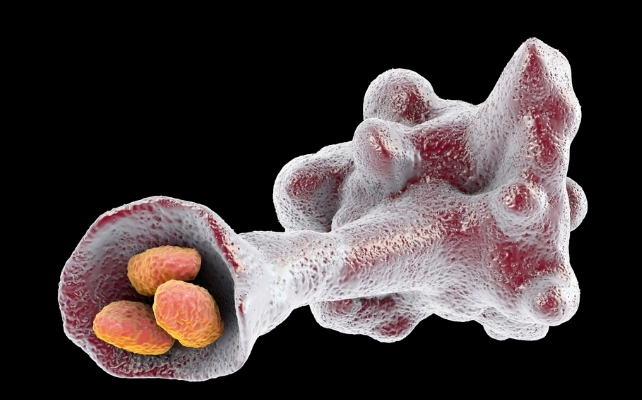
Furthermore, amoebas serve as reservoirs for fungal pathogens like Cryptococcus neoformans, which can lead to fungal meningitis. Additionally, they offer refuge to viruses, including human norovirus and adenovirus, implicated in respiratory, ocular, and gastrointestinal infections.
By shielding these disease-causing agents, amoebas facilitate their persistence in aquatic and terrestrial environments and may even contribute to the dissemination of antimicrobial resistance.
Climate Change Exacerbating the Amoeba Threat
The escalating impact of climate change is likely amplifying the risk posed by free-living amoebas, fostering conditions more conducive to their proliferation.
Naegleria fowleri flourishes in elevated freshwater temperatures. As global temperatures ascend, the geographical range suitable for these thermophilic amoebas is expanding into previously cooler territories. This trend increases the potential for human exposure through engagement in recreational water activities.
Numerous recent incidents linked to recreational water contact have already sparked public apprehension across various nations. These climate-induced alterations—characterized by warmer water bodies, extended periods of elevated temperatures, and heightened human interaction with water—present unprecedented challenges to risk mitigation efforts.
Assessing the Vigilance of Water Systems for Microbial Contaminants
The majority of water infrastructure systems do not undergo routine surveillance for free-living amoebas. These organisms are infrequently encountered, possess the ability to inhabit biofilms or sediments, and necessitate specialized analytical techniques for their identification, rendering routine monitoring both costly and technically demanding.
Instead, the integrity of water safety is primarily maintained through effective chlorination, the consistent presence of disinfectant residuals, and the systematic flushing of distribution networks, rather than through direct monitoring of amoebic populations. Although guidelines are available for high-risk locales, comprehensive monitoring protocols are not standard practice.
Broader Health Implications Beyond Neurological Infections
The pathogenic potential of free-living amoebas is not confined to the central nervous system. They are also implicated in the causation of painful ocular infections, particularly among individuals who use contact lenses, and can manifest as cutaneous lesions in immunocompromised subjects. Moreover, they are associated with infrequent yet severe systemic infections that can compromise vital organs, including the lungs, liver, and kidneys.
What preventative measures are being implemented to mitigate this hazard?
Free-living amoebas, such as the formidable Naegleria fowleri, are infrequently encountered but possess a potentially lethal capacity, underscoring the paramount importance of proactive prevention. These microorganisms defy conventional medical or environmental classification, straddling both domains. Consequently, a comprehensive strategy is imperative, integrating environmental monitoring, judicious water resource management, and heightened clinical vigilance to curtail exposure risks.
Shifting environmental conditions, deficiencies in water purification protocols, and the expansion of microbial habitats amplify the necessity for diligent surveillance and unambiguous communication of associated dangers.
Maintaining adequate chlorination levels in water distribution systems, periodic flushing of hot water installations, and adherence to sound practices for recreational water use and contact lens care are all crucial in diminishing the likelihood of infection. Concurrently, scientific inquiry is dedicated to refining diagnostic capabilities, while medical practitioners focus on the early recognition of affected individuals.
Should individuals be concerned about their potable water supply or engaging in aquatic activities?
Ingestion of water containing free-living amoebas, such as Naegleria fowleri, will not result in infection, even if the organism is present. Transmission occurs exclusively when contaminated water enters the nasal passages, providing a pathway for the amoeba to ascend to the brain. There is no peril associated with consuming the water, as the amoeba is rendered non-viable or incapable of penetrating the gastrointestinal tract.
The probability of contracting an infection from swimming in properly maintained swimming pools or in treated water sources is exceedingly remote. The primary vectors of risk are untamed, warm bodies of freshwater, particularly during periods of elevated ambient temperatures.
What personal protective measures can be adopted?
Individuals can safeguard themselves against free-living amoebas by minimizing their exposure to tepid, stagnant aquatic environments. Straightforward precautions encompass refraining from submerging the head in lakes or rivers during warm weather conditions, employing nasal clips for swimming activities, selecting swimming pools with superior maintenance standards, and ensuring domestic water systems are consistently flushed and maintained at appropriate temperatures.
Users of contact lenses are advised to strictly adhere to hygienic protocols and to wholly avoid the use of tap water for rinsing their lenses. For nasal irrigation purposes, it is imperative to utilize exclusively sterile, distilled, or previously boiled water.
Heightened awareness constitutes a fundamental element of defense. Should you experience a severe headache, elevated temperature, nausea, or a rigid neck following exposure to freshwater environments, it is imperative to seek immediate medical assistance – prompt intervention is critical for a favorable outcome.
Manal Mohammed, Senior Lecturer, Medical Microbiology, University of Westminster
This article has been re-published from The Conversation under the terms of a Creative Commons license. The original article can be accessed here: https://theconversation.com/why-are-scientists-calling-for-urgent-action-on-amoebas-274455.