
Engaging with an average individual often reveals a sentiment that societal conduct is deteriorating.
From conspicuous instances of retail theft and the disruption caused by audible music playback on public transit, to instances of aggression directed at frontline retail staff, numerous observations can contribute to a pessimistic outlook regarding fellow human beings.
This prevailing perspective finds substantiation in scholarly inquiry; a research paper released in June 2023 indicated that individuals across more than sixty nations perceive a decline in fundamental civility. Furthermore, a 2025 survey encompassing 9,600 American respondents revealed that 46% opined that rudeness has generally escalated, whilst a mere 9% felt it had diminished compared to pre-pandemic norms.
However, human perceptions can be subject to inaccuracies. My own research endeavors to scrutinize the precision of individuals’ beliefs about other people, the ramifications of flawed interpretations, and the outcomes that transpire when these misunderstandings are rectified.
It is evident that certain perceptual biases are influencing these views. When we examine the fundamental values that shape our conduct—those abstract guiding principles—there are indeed grounds for an optimistic assessment of societal progress.
In a 2022 investigation involving 32,000 participants from 49 distinct cultural groups, values such as devotion, probity, and altruism emerged as paramount, while concepts of dominance and affluence were ranked lowest.

These findings offer scant support for assertions of moral decay. An interactive visualization tool, conceptualized by social scientist Maksim Rudnev utilizing data from the European Social Survey, demonstrates the persistence of this value hierarchy between 2002 and 2023 across more than 30 European nations.
Supplementary research indicates that core human values exhibit considerable uniformity across a broad spectrum of over 60 countries, diverse educational backgrounds, varied religious affiliations, and across genders (acknowledging that exceptions do exist). This suggests a substantial concordance in responses regardless of demographic distinctions.
Evidently, the value systems of 2,500 political adherents in the United States during 2021-23, or those of 1,500 voters from opposing Brexit camps in 2016-17, are remarkably congruent. This presents an alternative perspective to the prevailing notions of a society fractured and deeply polarized.
A notable caveat to these findings is their reliance on self-reported data, which may introduce inaccuracies due to participants’ potential desire to present themselves in a favorable light. The crucial question then becomes: what does actual observable behavior indicate?
Exemplary Conduct
A considerable body of evidence suggests that the majority of individuals consistently exhibit morally sound behavior. For instance, an analysis conducted by researchers on observed public altercations captured via CCTV revealed that in approximately nine out of ten conflicts, a bystander intervened (provided bystanders were present). These observations, dating from 2020, showed similar patterns across the Netherlands, South Africa, and the United Kingdom.
Instances of intervention occur during violent incidents and even acts of terrorism, often at significant personal risk to the interveners. Although such dramatic events are infrequent, they undeniably underscore a widespread human readiness to assist, even in the face of extreme peril.
In less extreme scenarios, one can also observe demonstrations of consideration towards others.
Consider a 2019 study which found that in 38 out of 40 countries examined, misplaced wallets were, on average, more likely to be returned if they contained a modest sum of money compared to being empty, and even more likely to be reunited with their owners when they held a substantial amount. This phenomenon can likely be attributed to the finder’s empathy, recognizing that the financial loss would impose a greater hardship on the wallet’s proprietor.
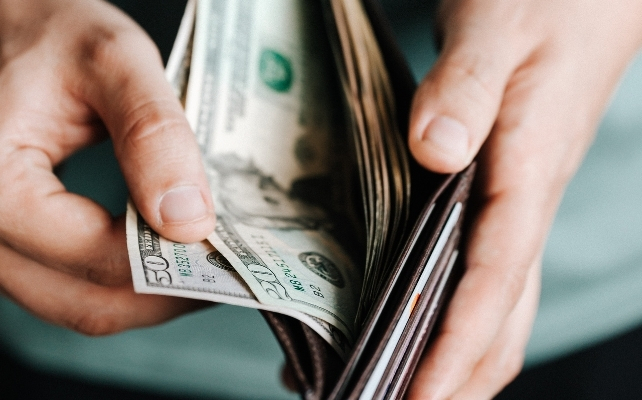
In a distinct experimental study conducted in 2023, 200 individuals from seven different nations were each provided with US$10,000 (equivalent to £7,500) with minimal stipulations. The participants allocated over $4,700 towards assisting others and contributed $1,700 to charitable causes.
However, what of historical behavioral trends? It is conceivable that conduct in past eras, such as 50 or 100 years prior, was more morally upright. Comprehensive studies systematically charting behavioral evolution over extended periods are scarce; however, one investigation indicated a marginal increase in cooperative behavior among Americans between the 1950s and the 2010s when engaging with unfamiliar individuals in interactions.
Reasons for Enduring Misperceptions
The persistence of the belief that society is undergoing moral decline among a significant portion of the populace can be attributed to several factors. Primarily, news organizations exhibit a proclivity for focusing on adverse occurrences. Moreover, negative news content demonstrates a higher propensity to be disseminated across social media platforms.
For illustration, numerous studies have noted that in the aftermath of significant calamities (hurricanes, earthquakes), many media outlets tend to report on widespread panic and animosity, despite observable evidence of widespread human cooperation and mutual support.
Furthermore, individuals espousing more extreme political viewpoints—regardless of their ideological leaning—are more inclined to engage in online discourse. This is further amplified by the presence of automated accounts, including those originating from Russia and elsewhere. In essence, the online landscape we encounter is characterized by
It is important to acknowledge that the perspectives presented on social platforms do not necessarily reflect the general populace.
Naturally, this does not invalidate the existence of a segment of individuals capable of inflicting significant damage, nor the potential exacerbation of certain societal issues, such as the online exploitation of minors, which appear to be on an upward trajectory. Furthermore, these observed patterns do not inherently indicate the typical conduct or core values of the average person.
A disproportionately grim outlook on one’s fellow human beings carries consequential effects. Individuals who erroneously perceive others as primarily motivated by self-interest and less by benevolent intentions are, statistically speaking, less inclined to engage in volunteer work or participate in civic duties like voting. This is an understandable outcome; why would one dedicate time and energy to individuals believed to be unreciprocating?
A multitude of empirical studies have demonstrated that informing individuals that their peers, on average, share comparable values and convictions can foster a greater sense of optimism and trust in what the future holds. Engaging in discourse with others – whether they be close confidants, acquaintances known casually, or even complete strangers – can illuminate the fundamental amiability of most people and contribute to an improved personal emotional state.
Participating in philanthropic activities, joining community organizations, or attending local gatherings can be highly beneficial, as assisting others demonstrably enhances well-being. Lastly, consuming uplifting news narratives or actively seeking out accounts of altruism can likewise bolster one’s perspective.
In summary, the available evidence suggests that a societal moral regression is not occurring, notwithstanding isolated instances of concerning conduct that are on the rise.
Should we collectively withdraw from interpersonal engagement, presuming malevolent intent from others, and abandon efforts to go the extra mile for our fellow humans, there exists a tangible risk of pervasive self-absorption, which could ultimately precipitate a genuine decline. Fortunately, as a collective society, we possess the agency to shape our own trajectory.