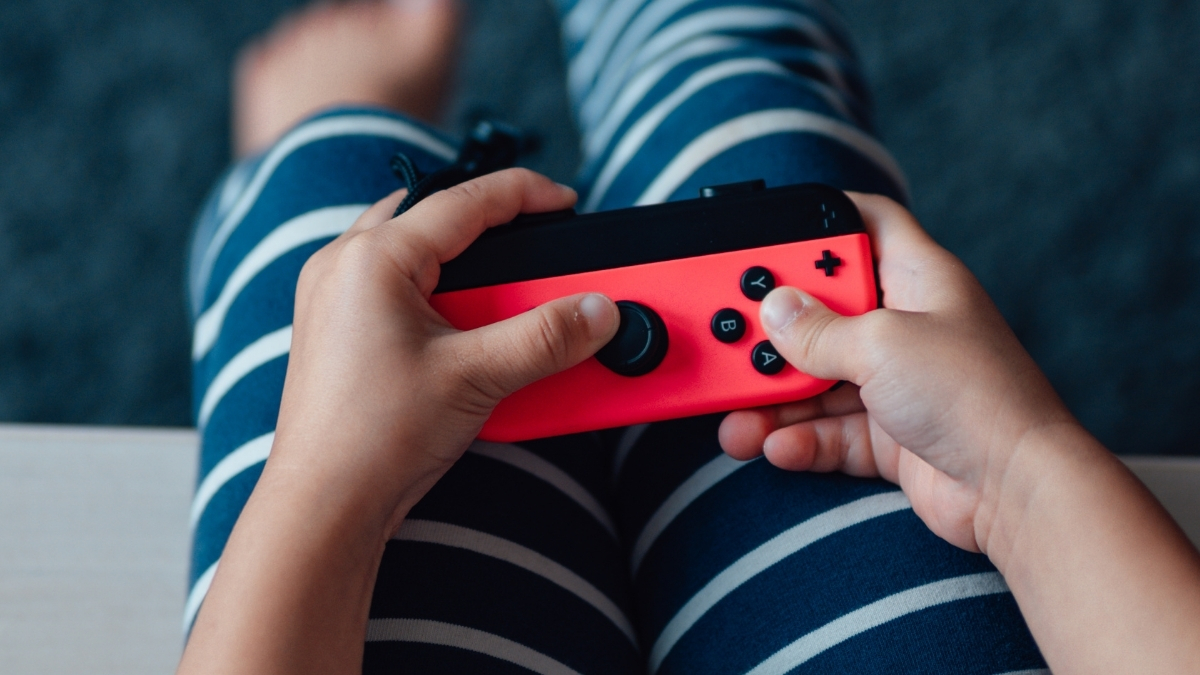
Recent investigations have correlated increased engagement with video games among juveniles with an enhancement in their intellectual capacities, presenting a counter-narrative to the prevailing sentiment that gaming is detrimental to developing minds.
Although the observed enhancement in cognitive faculties was modest and insufficient to establish a definitive causal connection, it was significant enough to warrant attention. The 2022 study was meticulously designed to account for confounding variables, including genetic predispositions and the socioeconomic standing of the participants.
Concurrently, activities such as television viewing and social media interactions did not appear to exert either a positive or negative influence on intelligence levels. This research is poised to contribute valuable insights to the ongoing discourse concerning appropriate screen time durations for young individuals.
“Modern childhood is intrinsically shaped by digital media, yet its cognitive repercussions remain nebulous and are the subject of fervent debate,” state the multinational team from the Netherlands, Germany, and Sweden within their published findings.
“We posit that studies incorporating genetic data could elucidate causal relationships and rectify the often-overlooked influence of inherent genetic tendencies.”
The research team meticulously analyzed screen time data from 9,855 American children, aged between 9 and 10 years, participating in the ABCD Study. On average, these young participants reported dedicating approximately 2.5 hours daily to watching television or online videos, 1 hour to playing video games, and 30 minutes to engaging in online social interactions.
Subsequently, data from over 5,000 of these children were revisited two years later. During this intervening period, individuals within the cohort who indicated spending more than the average amount of time gaming demonstrated a notable increase of 2.5 IQ points beyond the typical developmental increment.

This augmentation in IQ points was gauged by the children’s performance on assessments encompassing reading comprehension, visual-spatial reasoning, and a task designed to evaluate memory, cognitive flexibility, and self-regulation.
It is pertinent to acknowledge that while this investigation was confined to a US-based child population and did not distinguish between various gaming formats (e.g., mobile versus console), it nonetheless offers a valuable perspective on the gaming-IQ nexus and supports the notion that intelligence is not an immutable trait determined at birth.
“Our findings lend credence to the assertion that screen time, in general, does not impede children’s cognitive capabilities, and that engaging in video games might, in fact, contribute to intellectual enhancement,” stated neuroscientist Torkel Klingberg of the Karolinska Institute in Sweden in 2022, coinciding with the study’s publication.

As highlighted by the researchers, this is not the inaugural study to propose a potential correlation between the duration of children’s gaming activities and the refinement of their cognitive skills; moreover, other ancillary advantages of video game engagement have also been observed.
The research team responsible for the current study posits that discrepancies in prior findings regarding screen time effects can be attributed to factors such as limited sample sizes, diverse methodological approaches, and the omission of genetic and socioeconomic influences. These are precisely the limitations that this particular study endeavored to mitigate.
Consequently, it is evident that numerous variables are involved in both the development and formation of intelligence and in the varied ways screen time might impact our physiology and behaviors, underscoring the necessity for extensive further research.
“We did not investigate the ramifications of screen behavior on physical activity, sleep patterns, general well-being, or academic performance, and therefore cannot offer any pronouncements on those aspects,” commented Klingberg.
“Our subsequent research will focus on examining the impact of other environmental determinants and the relationship between cognitive effects and the developmental trajectory of the child’s brain.”