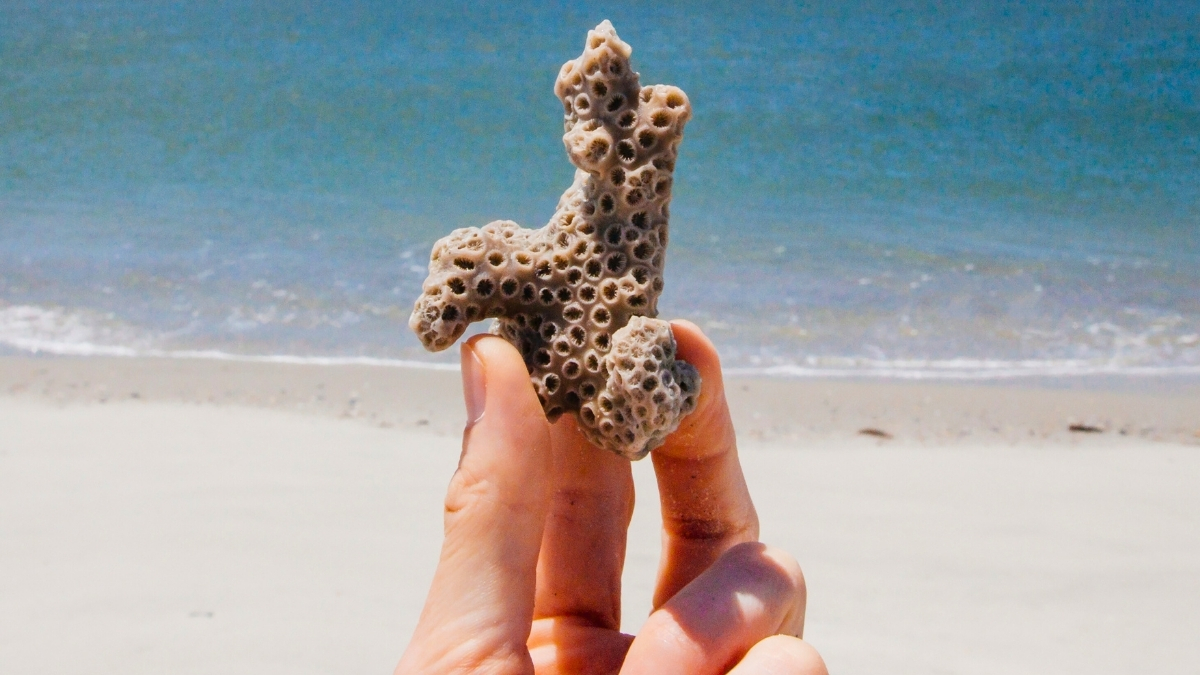
Although tropical coral reefs occupy a minuscule fraction of the ocean floor—less than 1%—they are indispensable hubs for a remarkable 25% of all marine life. These vibrant ecosystems are exceptionally fragile. It is estimated that between 30% and 50% have already vanished over the course of recent decades.
The situation is fast approaching a critical juncture. Following unprecedented oceanic heatwaves in 2023–24, which triggered widespread coral bleaching across at least 83 nations, scientific projections for 2026 are imbued with significant concern.
The pertinent question is whether 2026 will witness the attainment of a global inflection point for warm-water corals—a threshold beyond which their survival prospects are irrevocably compromised, rendering even the most robust species incapable of recovery.
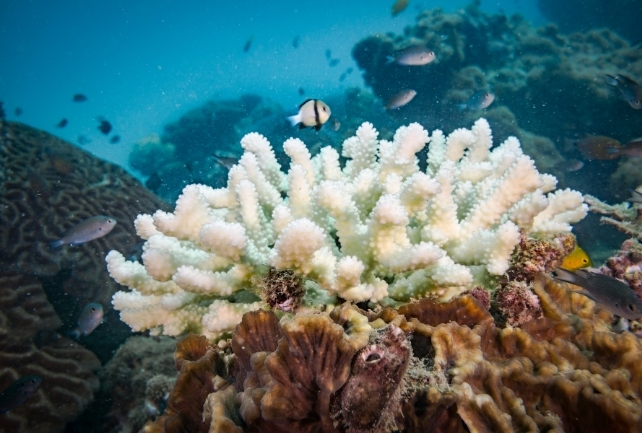
The trajectory of these marine habitats may be significantly influenced by events unfolding in the Pacific Ocean, specifically the natural climatic phenomenon known as the El Niño–Southern Oscillation (ENSO). We have only recently emerged from a severe El Niño event (its warm phase), which contributed to 84% of the world’s coral reefs experiencing “bleaching-level” thermal stress.
Typically, coral reefs benefit from several years of respite during the cooler La Niña phase. However, as the planet’s temperature escalates, El Niño events are intensifying in severity and frequency, while the intervening cooler periods are diminishing in duration and thermal benefit.
Given the anticipation of another El Niño in 2026, occurring shortly after the preceding one, numerous coral reef systems will likely lack adequate time for recuperation. This impending phase could precipitate a widespread collapse of coral reef ecosystems.
The trend for November sea surface temperatures persisted with the ongoing mild La Niña in the eastern-central tropical Pacific, alongside the sustained anomalous warmth that permeated midlatitude regions in both hemispheres.
Data sourced from NOAA OISSTv2.1 (www.ncei.noaa.gov/products/opt…) 🌊
— Zack Labe (@zacklabe.com) Jan 1, 2026 at 12:57 AM
A Permanent Shift?
The primary concern is that 2026 could represent a “tipping point.” These are critical junctures where an ecosystem undergoes a rapid, often irreversible transformation.
However, identifying these critical thresholds precisely as they occur can be exceptionally challenging.
Each reef ecosystem exhibits unique characteristics, making it difficult to discern permanent alterations from transient disturbances such as heatwaves and severe weather phenomena, particularly as global temperatures continue their upward trend. This complexity obscures a clear understanding of the reef’s long-term ecological status.
While a synchronized global tipping point for all coral species in 2026 represents an improbable worst-case scenario, many warm-water coral reefs are demonstrably heading towards adverse outcomes at a local scale.
Certain reef systems have already surpassed the point of no return. Should tropical regions experience another onslaught of extreme heatwaves so soon, the scale of degradation within the next twelve months could be catastrophic.
The Manifestation of Coral Ecosystem Collapse
When a reef system crosses that critical threshold, the ensuing changes can be dramatic.
The initial phase involves bleaching, a phenomenon triggered by elevated sea temperatures. Under thermal duress, corals expel the symbiotic, vividly colored algae residing within their tissues, resulting in a vibrant white appearance.
At this stage, the coral is not yet deceased, but prolonged exposure to high temperatures can lead to mortality.
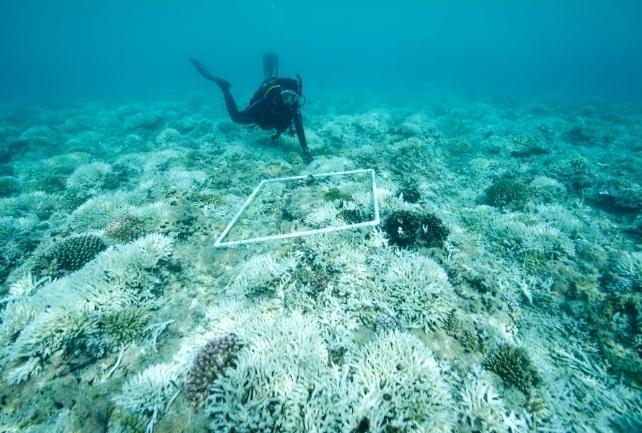
Species particularly sensitive to heat are most likely to perish. Subsequent to coral mortality, these substrates are rapidly colonized by algae. Once this transition occurs, the proliferation of new coral larvae becomes exceedingly difficult.
The resultant damage can persist for extended durations, potentially precluding the reef from ever regaining its former ecological state.
It is important to note that an additional El Niño-induced mass bleaching event does not automatically signify the demise of all coral populations, as their resilience to thermal stress varies according to distinct ecoregions. While some species struggle with rising temperatures, others have demonstrated an capacity for tolerance or adaptation to warmer oceanic conditions.
Coral specimens found in the Gulf of Aqaba (situated between Egypt’s Sinai Peninsula and Saudi Arabia) and Madagascar exhibited a surprising degree of tolerance to the extreme temperatures recorded in 2023–24, suggesting that certain coral communities possess inherent resistance to thermal stress.
Furthermore, reefs located in deeper offshore waters may serve as crucial “seed banks” for future re-establishment.
These formations, identified as mesophotic reefs and situated at depths of approximately 30 to 50 meters, receive enhanced protection during heatwave events due to the shielding effect of cooler, denser overlying water layers. Consequently, these deeper reef systems could function as vital “refugia” where warm-water coral species have a greater probability of survival, at least in the short term.
Factors Beyond Thermal Stress
Even with anticipated temperature increases in 2026, corals are already more susceptible to bleaching due to a confluence of factors, including pollution, unsustainable fishing practices, and coastal development.
Encouragingly, mitigating these detrimental influences can bolster reef recovery. Consider the Mesoamerican Reef, an extensive system stretching nearly 700 miles along the coastlines of Mexico and Central America. Despite experiencing bleaching across 40% of its expanse in 2024, certain sections demonstrated improvement, attributed to the resurgence of fish populations following enhanced fisheries management strategies.
Ocean acidification, a consequence of the ocean’s absorption of excess atmospheric CO₂, impedes corals’ ability to construct their calcareous skeletons, leading to structural weakening and a reduction in growth rates. This process poses a threat even to deep-sea, cold-water corals that are not directly impacted by bleaching.
To ensure the persistence of these vital biodiversity hotspots throughout the 21st century, a multi-pronged approach is imperative: drastic reduction of carbon emissions to achieve oceanic cooling, abatement of localized environmental stressors such as pollution and overfishing, and the integration of selective breeding of heat-tolerant coral varieties into restoration initiatives to enhance resilience against thermal stress events.