An exhaustive analysis of data from over 268,000 individuals has revealed that genes integral to thiamine (vitamin B1) metabolism exert a significant influence on gut motility. This discovery paves the way for novel, personalized therapeutic strategies for conditions such as constipation and irritable bowel syndrome (IBS).
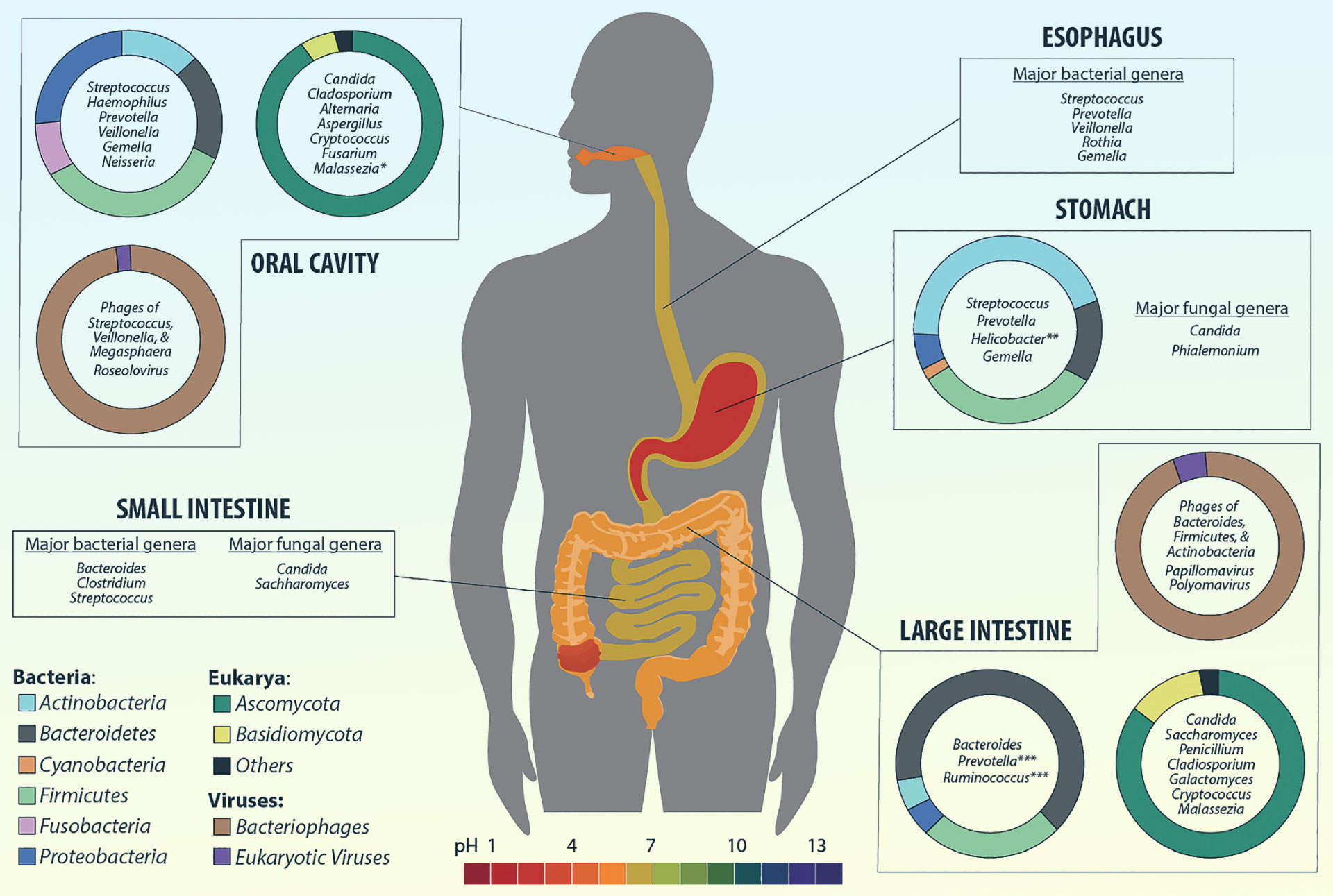
Díaz-Muñoz et al. identified therapeutically tractable mechanisms involved in the control of gut motility, including a previously unrecognized role for vitamin B1. Image credit: Hillman et al., doi: 10.1264/jsme2.ME17017 / CC BY 4.0.
The intricate process of gastrointestinal motility is fundamental for effective food digestion, optimal nutrient assimilation, and the timely expulsion of waste products, thereby constituting a cornerstone of human health and general well-being.
Its sophisticated regulation is orchestrated by a multifaceted communication network that encompasses the gut-brain axis, the immune system, and the gut microbiome. Furthermore, external determinants such as dietary habits, physical activity levels, and pharmaceutical interventions can exert modifying influences.
Disruptions in the control mechanisms governing motility and peristalsis are recognized as pivotal pathogenic factors in irritable bowel syndrome (IBS) and other disorders characterized by gut-brain interaction. These dysfunctions also contribute to severe motility impairments, exemplified by chronic idiopathic intestinal pseudo-obstruction.
In a groundbreaking new investigation, Professor Mauro D’Amato, affiliated with LUM University, CIC bioGUNE- BRTA, and Ikerbasque, alongside his research collaborators, employed a large-scale genetic analysis to identify common genetic variations associated with gut motility patterns.
The research team meticulously examined questionnaire responses and genetic profiles from 268,606 individuals of European and East Asian descent. Through sophisticated computational analyses, they pinpointed the genes and biological pathways most likely implicated in these motility variations.
Their findings delineated 21 distinct genomic regions that influence the frequency of bowel movements, with 10 of these regions being previously undocumented in relation to this function.
A number of the identified genetic markers corresponded to pathways and mechanisms already established to impact gastrointestinal movement. This congruence served as a validation, confirming that the study’s outcomes aligned with existing biological understanding.
For instance, the research underscored the critical roles of bile-acid regulation—where bile acids aid in fat digestion and function as signaling agents within the gut—and nerve signaling pathways pertinent to intestinal muscle contractions, including acetylcholine-related signaling, which facilitates neuromuscular communication.
However, the most significant disclosure emerged when the researchers focused on two high-priority genes that converge on vitamin B1 biology. Specifically, these genes are linked to the mechanisms of thiamine transport and activation within the human body (identified as SLC35F3 and XPR1).
To ascertain whether this vitamin B1-related finding resonated with real-world observations, the researchers subsequently analyzed additional dietary data sourced from the UK Biobank.
Within a cohort of 98,449 participants, an elevated dietary intake of thiamine was found to correlate with increased frequency of bowel movements.
Crucially, the association between thiamine consumption and bowel movement frequency was observed to vary contingent upon an individual’s genetic predisposition at the SLC35F3 and XPR1 genes (assessed collectively as a composite genetic score).
In essence, the collected data suggest that inherited variations in thiamine metabolism may modulate the extent to which vitamin B1 intake influences bowel habits within the general populace.
“We leveraged genetic insights to construct a comprehensive overview of the biological pathways governing the gut’s rhythmic activity,” stated Dr. Cristian Diaz-Muñoz, a researcher at CIC bioGUNE- BRTA.
“The striking prevalence of vitamin B1 metabolism, alongside well-established mechanisms like bile acids and neural signaling, was a particularly salient finding.”
This investigation also substantiates a significant biological correlation between the frequency of bowel movements and IBS, a widespread condition that affects millions globally.
“Challenges with gut motility lie at the core of IBS, constipation, and other prevalent gastrointestinal motility disorders, yet the underlying biological mechanisms remain elusive,” remarked Professor D’Amato.
“These genetic findings illuminate specific pathways, most notably those involving vitamin B1, presenting them as promising avenues for subsequent research, including laboratory studies and meticulously designed clinical trials.”
The research article was officially published on January 20, 2026, in the esteemed journal Gut.
_____
C. Díaz-Muñoz et al. Genetic dissection of stool frequency implicates vitamin B1 metabolism and other actionable pathways in the modulation of gut motility. Gut, published online January 20, 2026; doi: 10.1136/gutjnl-2025-337059