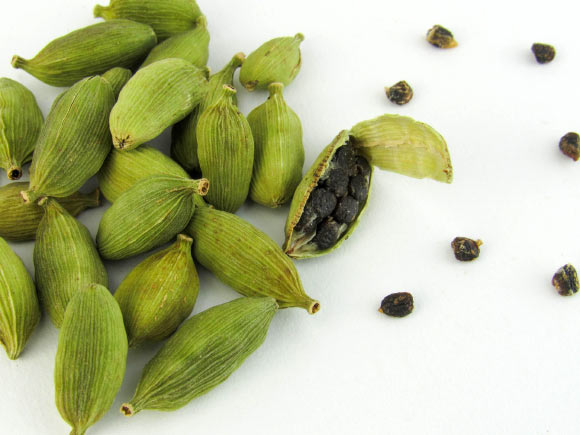
New investigations suggest that the extract derived from cardamom seeds (Elettaria cardamomum), along with its primary active compound, 1,8-cineole, may function as efficacious antiviral agents by stimulating the generation of type I interferons, a class of antiviral proteins.
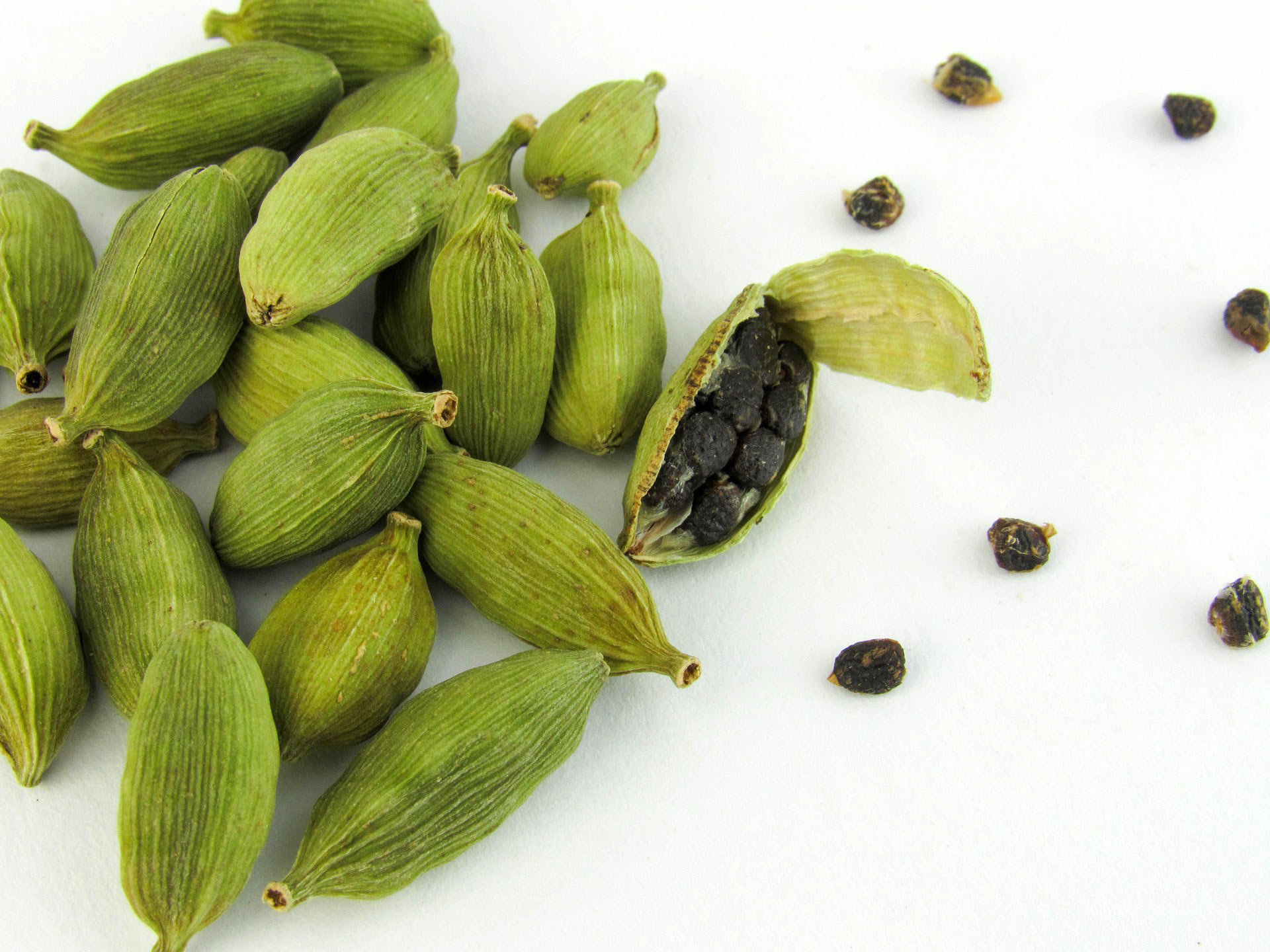
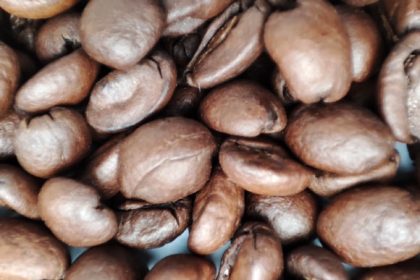
Cardamom (Elettaria cardamomum) seeds. Image credit: Karyna Panchenko.
Historically, botanical remedies have been employed for the management of a broad spectrum of ailments, including those caused by viral pathogens.
Medicinal flora and herbs have proven to be a rich reservoir of biologically active constituents, which have subsequently been incorporated by pharmaceutical enterprises into their antiviral product lines.
These constituent molecules possess the capacity to disrupt viral replication at various points in their life cycles and to modulate the host’s immunological response to viral invasion.
In a recent scientific inquiry, Dr. Takeshi Kawahara, a researcher affiliated with Shinshu University, and his team discovered that cardamom seed extract exhibits potent antiviral properties.
“Our research, predating the advent of the novel coronavirus, has been focused on identifying food-based components that can confer protection against viral infections encountered in everyday life,” stated Dr. Kawahara.
“The heightened societal awareness of the antiviral attributes of food, amplified by the pandemic, has presented us with increased opportunities to pursue this line of investigation.”
Prior research conducted by the authors had already established that cardamom seed extract demonstrated a protective effect against influenza virus infections.
For the present study, experiments were undertaken utilizing human lung cells, specifically designated as A549 cells. These cells were subjected to treatment with cardamom seed extract, followed by an artificial induction of viral infection. This methodology was designed to elucidate the impact of the cardamom seed extract on the production of antiviral molecules.
More precisely, it was observed that cardamom seed extract, in addition to its predominant bioactive component, 1,8-cineole, was capable of activating intracellular nucleic acid sensors. These intracellular sensors are instrumental in detecting viral DNA and RNA within a cell.
Upon detection, these sensors trigger the synthesis of various signaling molecules known as cytokines, which are crucial for combating viral infections at different stages.
In this specific context, the application of cardamom seed extract or 1,8-cineole led to an augmented production of type I interferons, a critical class of cytokines vital for the body’s antiviral defense mechanisms. This enhancement in interferon production was found to be mediated by the intracellular nucleic acid sensors.
In light of these findings, the researchers have expressed considerable interest in the potential clinical utility of their discoveries.
“While cardamom has a long-standing tradition of use as a spice with medicinal benefits, these new findings suggest its potential as an antiviral agent for preventing a wide spectrum of viral infections,” Dr. Kawahara remarked.
“It is our hope that this research will introduce a novel perspective on the antiviral capabilities of foodstuffs and foster greater attention towards a broader array of food ingredients that can contribute to the prevention of viral infections in daily life.”
The results of this study were published in the August 2025 issue of the journal Foods.
_____
Abdullah Al Sufian Shuvo et al. 2025. Type I Interferon-Enhancing Effect of Cardamom Seed Extract via Intracellular Nucleic Acid Sensor Regulation. Foods 14 (15): 2744; doi: 10.3390/foods14152744