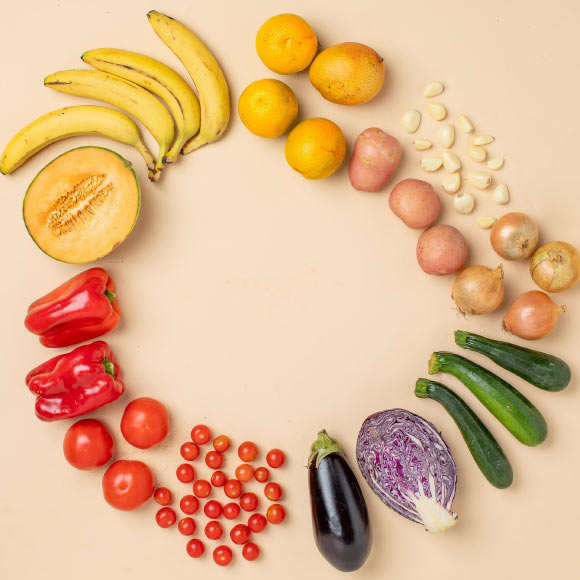
The updated Nordic Nutrition Recommendations for 2023 strongly advocate for a decrease in meat consumption, coupled with an increased intake of a diverse range of plant-based foods, including vegetables, fruits, berries, cereals, nuts, and legumes. Emerging research conducted by a collaborative team from Aarhus University, Aarhus University Hospital, Karolinska Institutet, and the University of Copenhagen reveals a direct correlation between adherence to these dietary guidelines and a reduction in mortality rates.
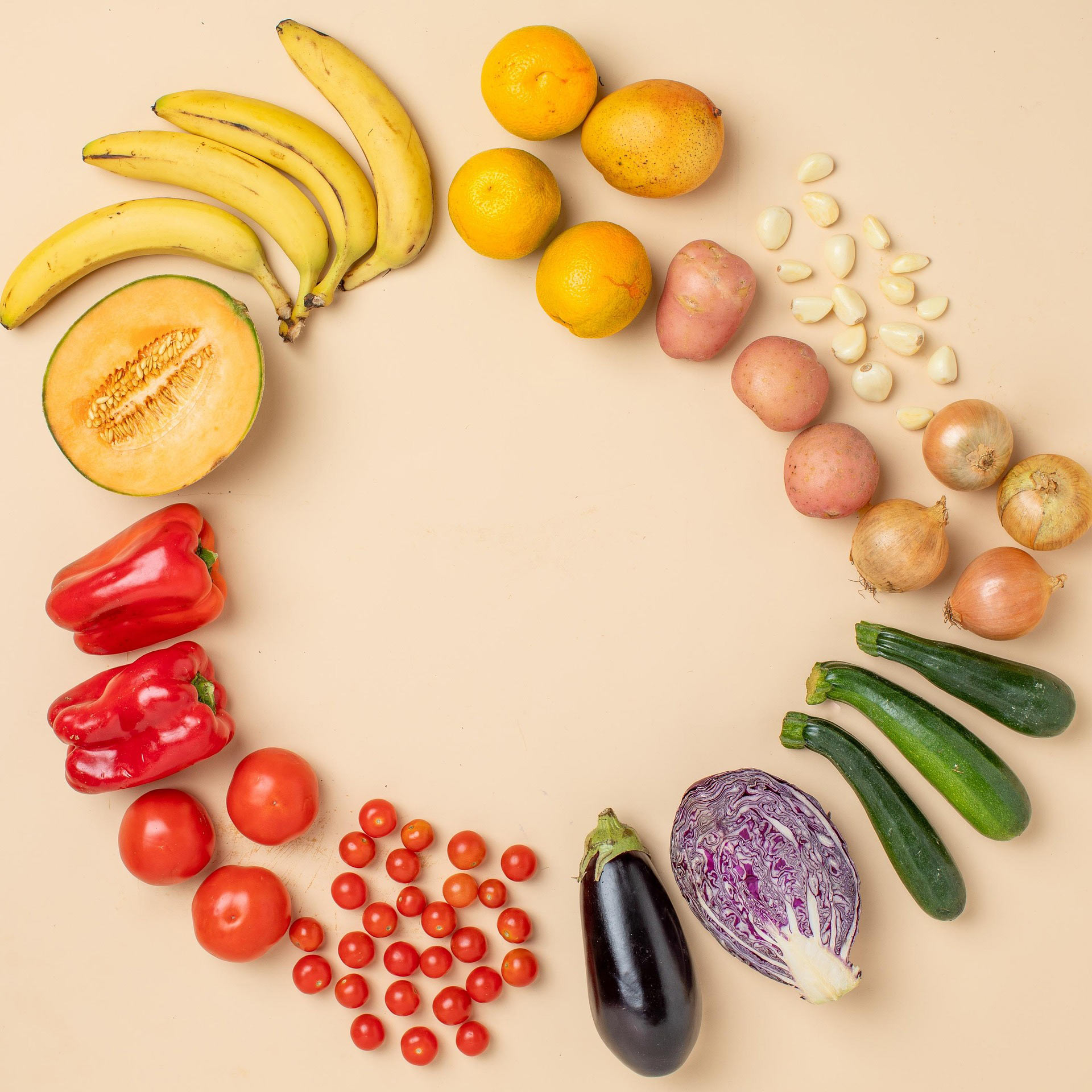
The food-based Nordic Nutrition Recommendations 2023 also take the environmental impact of diet into account as measured by greenhouse gas emissions, land use, water use, and nitrogen and phosphorus utilization. Image credit: Serp Pae.
Dietary patterns exert a significant influence on the progression of climate change, with approximately 30% of anthropogenic greenhouse gas emissions attributed to current global food production and consumption practices.
The 2023 Nordic Nutrition Recommendations have been meticulously formulated to achieve a balance between promoting human well-being and ensuring environmental sustainability.
“Our investigation has demonstrated that among middle-aged Swedish individuals, adherence to these dietary recommendations is associated with a 23% lower mortality risk when contrasted with those who do not follow them, even after accounting for confounding variables such as educational attainment, socioeconomic status, and levels of physical activity,” stated Anne Bak Mørch, a Ph.D. candidate at Aarhus University.
“Furthermore, the study has identified a diminished incidence of mortality from cancer and cardiovascular ailments among individuals exhibiting the highest compliance with the established guidelines.”
Within the scope of this research, investigators meticulously analyzed data encompassing over 76,000 Swedish men and women, drawn from two extensive population-based studies: the Swedish Mammography Cohort and the Cohort of Swedish Men.
Since 1997, participants have consistently provided self-reported information regarding their dietary habits and lifestyle choices, thus establishing a robust and distinctive foundation for dissecting the intricate relationship between diet and overall health.
“The implications of these findings are profoundly significant for both human health and the health of our planet,” commented Dr. Christina Dahm from Aarhus University.
“The conclusions derived from our work hold considerable relevance across the Nordic and Baltic regions, given that their respective national dietary guidelines are intrinsically based upon the overarching Nordic Nutrition Recommendations.”
“Our research substantiates that the collective adoption of these guidelines yields substantial benefits for public health.”
“However, our discoveries extend even further: by integrating considerations of both nutritional value and environmental footprint, our research conclusively demonstrates that a sustainable Nordic dietary approach not only enhances public health but also contributes positively to the climate. This model could potentially serve as an exemplar for the development of other regional sustainable dietary frameworks globally.”
“This study corroborates the notion that by embracing a Nordic dietary pattern, individuals can concurrently improve their personal health and contribute to mitigating climate change.”
“The potential impact of this dietary regimen on other health outcomes, such as obesity, type 2 diabetes, cardiovascular diseases, or cancer, warrants further examination.”
“It is our intention to delve deeper into these aspects in a subsequent research project.”
The results of this rigorous study have been formally published in the esteemed Journal of Nutrition.
_____
Anne B. Mørch et al. Development of the Nordic Nutrition Recommendations 2023 Food-Based Diet Score and Its Association with All-Cause Mortality in Two Swedish Cohorts. Journal of Nutrition, published online July 3, 2025; doi: 10.1016/j.tjnut.2025.06.030