A notable scientific revelation indicates that eight distinct psychiatric afflictions share a foundational genetic linkage.
Research released in early 2025 identified specific genetic variations among these common genes, elucidating their functional behavior throughout the intricate process of brain development.
A research group from the United States observed that a significant number of these identified variants maintain their activity for prolonged durations. This sustained engagement could potentially exert influence across various developmental phases, thus presenting novel avenues for therapeutic interventions capable of addressing multiple conditions simultaneously.
“The protein products derived from these genes exhibit a high degree of interconnectedness with other proteins,” articulated Hyejung Won, a geneticist affiliated with the University of North Carolina.
“Alterations specifically affecting these proteins could propagate through the entire network, potentially leading to far-reaching consequences for brain function.”
Previously, in 2019, an international consortium initially cataloged 109 genes that are associated, in varying combinations, with eight psychiatric disorders. These include autism spectrum disorder, attention-deficit/hyperactivity disorder (ADHD), schizophrenia, bipolar disorder, major depressive disorder, Tourette syndrome, obsessive-compulsive disorder (OCD), and anorexia nervosa.
This shared genetic architecture may provide an explanation for the frequent co-occurrence of these conditions. For instance, as high as 70 percent of individuals diagnosed with autism or ADHD may also present with the other, and these disorders often manifest within family lineages.
Each of these eight conditions also possesses unique genetic variations specific to them. Consequently, Won and her colleagues undertook a comparative analysis, contrasting these individual gene differences with those shared across the disorders.
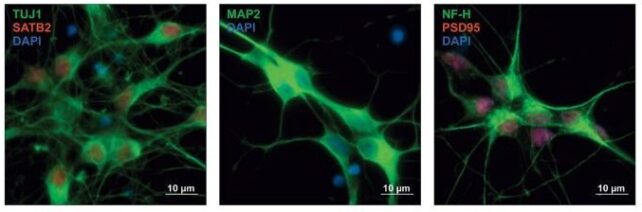
Their methodology involved incorporating nearly 18,000 variations of both the shared and unique genes into precursor cells, which are destined to develop into neurons. This experimental approach aimed to determine their potential impact on gene expression within these cells during the course of human development.
This investigation enabled the research team to identify 683 genetic variants that influenced gene regulation. These variants were subsequently subjected to further examination within neurons derived from developing mice.
Genetic variations that underlie multiple, seemingly disparate traits—or, in this context, conditions—are characterized as pleiotropic.
The pleiotropic variants demonstrated a significantly higher involvement in protein-to-protein interactions compared to gene variants exclusive to specific psychological conditions. Moreover, their activity was observed across a broader spectrum of brain cell types.
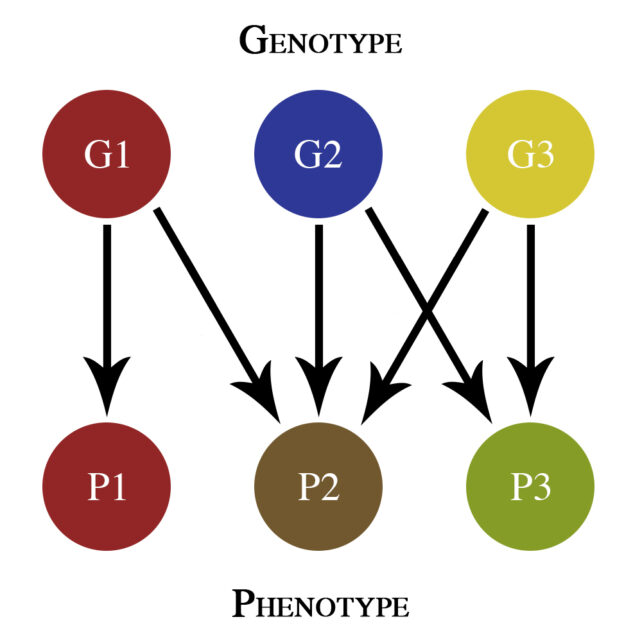
Furthermore, pleiotropic variants were implicated in regulatory processes that affect numerous stages of neural development.
The capacity of these genes to influence cascades and intricate networks of biological processes, such as gene regulation, could elucidate the underlying mechanisms by which identical variants contribute to the manifestation of diverse conditions.
“Historically, pleiotropy has been perceived as a complicating factor due to its role in obscuring the clear classification of psychiatric disorders,” stated Won.
“However, a comprehensive understanding of the genetic underpinnings of pleiotropy might pave the way for the development of therapies targeting these shared genetic factors. Such an approach could potentially lead to unified treatment strategies for multiple psychiatric disorders exhibiting common genetic roots.”
This therapeutic paradigm holds considerable promise, particularly considering that the World Health Organization reports that approximately 1 in 8 individuals globally—amounting to nearly 1 billion people—are affected by some form of mental health condition.
The culmination of this research has been published in the esteemed journal Cell.