The escalating proliferation of injectable aesthetic interventions and dermal fillers globally is largely instigated by a pervasive aspiration for an appearance of diminished age. While predominantly availed by females, a discernible uptick in male engagement with these procedures is evident.
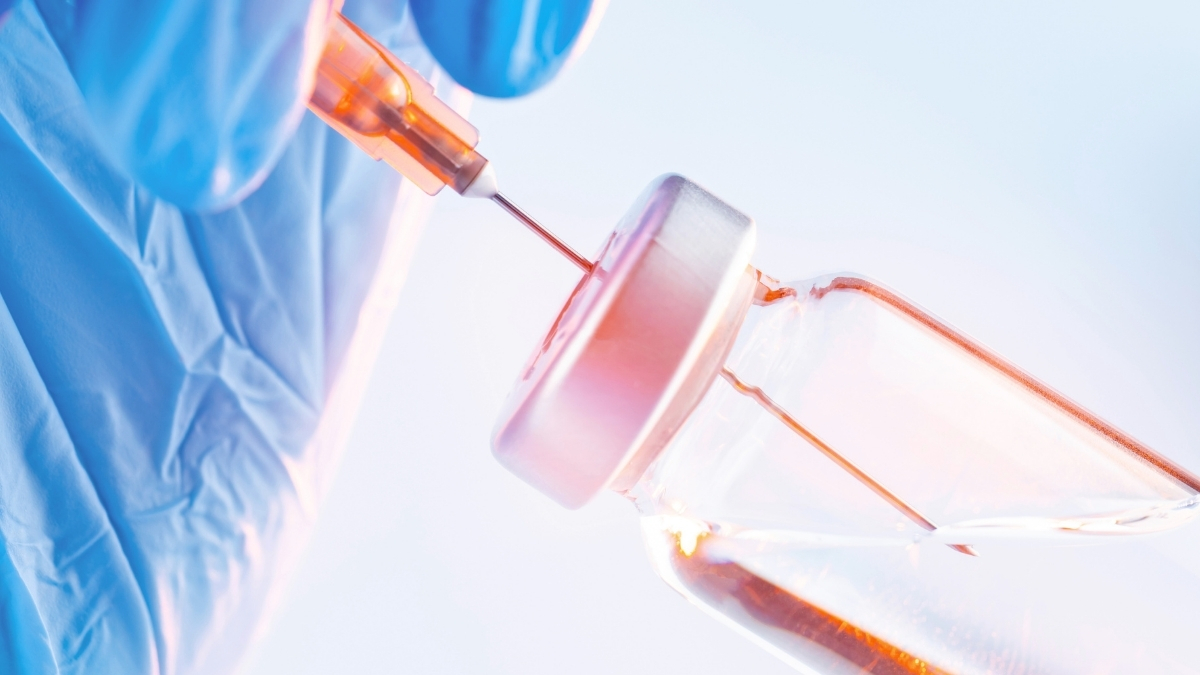
This deeply ingrained cultural valorization of youth engenders a significant environmental burden. Annually, in excess of 14 million hypodermic needles, meticulously crafted from stainless steel, are utilized and subsequently discarded following cosmetic treatments worldwide. The metallic components integral to their construction are classified as critical resources.
Stainless steel is fundamentally an alloy comprising iron and chromium, fortified with nickel in the majority of its formulations. The iron present within a hypodermic needle may originate from the Pilbara region of Western Australia. Its genesis dates back over a billion years, a period when atmospheric oxygen, a byproduct of primordial bacterial photosynthesis, reacted with ferrous elements in ancient oceanic environments, precipitating to the seabed.
The chromium constituent could trace its lineage to South Africa’s Bushveld Complex, a subterranean geological formation resulting from magma ascending through fissures in the Earth’s crust. Upon cooling, this molten rock facilitated the segregation of chromite, which subsequently crystallized into distinct stratifications.
Furthermore, the nickel element’s inception is intrinsically linked to the magmatic upwellings and subsequent solidification associated with the planet’s continental formation and the erosive processes affecting igneous rocks. It is highly probable that such nickel deposits were sourced from Indonesia, where shallow and economically viable extraction of this metal is feasible.
A critical mineral is defined as a resource indispensable for a nation’s economic stability, safeguarding national security, and advancing clean energy technologies. Crucially, its supply chain is susceptible to disruption from geopolitical conflicts, trade restrictions, and sheer scarcity, rendering these minerals exceptionally difficult to substitute.

The Critical Minerals Register
The specific composition of a nation’s critical minerals list offers insights into the geopolitical landscape of resource extraction locations, the inherent properties of the commodities themselves, and the strategic priorities of the governing bodies compiling such inventories.
Chromium is designated as critical by the United States, Canada, and Australia, owing to its paramount importance in the production of stainless steel and other high-performance metallic alloys.
Projected demand for chromium is anticipated to surge dramatically, increasing by a factor of 75 between 2020 and 2040. This escalation is partly attributable to the global imperative of transitioning towards cleaner energy solutions. The available reserves are geographically concentrated, with South Africa being the preeminent producer, contributing over 40% of global supply in 2023, followed by Kazakhstan, Turkey, India, and Finland.
Nickel was officially added to the United Kingdom’s critical mineral roster in 2024. Acclaimed as a highly versatile component in energy transition technologies, it plays a pivotal role in enhancing energy density within lithium-ion batteries, thereby enabling device miniaturization and extending the operational range of electric vehicles. Indonesia possesses a substantial portion of the world’s nickel reserves, accounting for 42%.

Even iron ore, a foundational material, appears on critical minerals lists. High-grade iron ore was incorporated into Canada’s critical minerals inventory in 2024, recognized for its significance in the manufacturing of “green steel” and for contributing to national decarbonization objectives.
The rapidly accelerating demand for stainless steel, driven in part by its application in cosmetic procedures, is intertwined with urgent requirements from numerous other vital sectors. It is indispensable for construction, transportation infrastructure, the preservation and packaging of foodstuffs, medical applications, and the general fabrication of consumer products.
Its utility is also critical for national defense operations. Stainless steel is a key material in the construction of aircraft and vehicular sub-assemblies, naval vessels, missile components, and ballistic protection systems.
The production of needles for cosmetic interventions is also enmeshed with complex resource-related challenges that lack straightforward resolutions. These include conflicts associated with mining operations, substantial environmental and social repercussions stemming from extraction activities, and contentious debates surrounding the exploration of novel resource frontiers, such as the deep seabed and celestial bodies like the Moon.
Furthermore, the carbon footprint associated with the multi-stage processes required to transform raw ores into finished needles and their subsequent safe disposal must be meticulously considered. Each needle undergoes mining, transportation, smelting, manufacturing, trucking, utilization, containment in a sharps disposal unit, and ultimately, incineration.
Must we face an irreconcilable dichotomy between pursuing cosmetic enhancements and achieving environmental sustainability? Or between cosmetic procedures and maintaining robust defense capabilities? The answer is no. While our escalating demand for injectable cosmetic treatments is not the sole determinant of chromium, nickel, and iron ore being classified as critical minerals, it undeniably forms an integral part of that narrative, and it is accompanied by a tangible environmental and resource cost.