A woman in the UK recently incurred a £150 penalty from a local authority for disposing of coffee down a public drain prior to boarding a bus.
Subsequently, Richmond council in London rescinded the fine. Nevertheless, this incident has ignited considerable debate regarding the potential for coffee waste of this nature to inflict environmental harm.
An estimated 98 million servings of coffee are consumed daily across the United Kingdom, with global consumption reaching 2 billion cups each day. The resultant liquid must be managed, irrespective of location—be it at home, in the workplace, or during a hurried commute.
While the invigorating effect of caffeine serves as a cherished morning ritual for a multitude of individuals, its disposal can present an undesirable burden on ecological systems.
An individual serving of coffee may seem negligible; however, the daily discard of 98 million servings into drainage systems would significantly exacerbate the challenges faced by our waterways and watercourses. This is due to the cumulative addition of caffeine to the existing levels present in domestic wastewater.
A substantial portion of the United Kingdom employs a combined sewage management system, wherein a single conduit conveys both rainwater runoff from urban surfaces and domestic wastewater to sewage treatment facilities. An increased ingress of caffeine into these conduits raises the probability of it bypassing treatment processes and ultimately reaching riverine environments.
Each cup of coffee comprises a complex array of hundreds of chemical compounds. Apart from caffeine (assuming non-decaffeinated varieties are consumed), many beverages incorporate milk and sugar, with some also containing cocoa, spices, and various other additives.
From an ecological perspective, caffeine exerts the most pronounced influence. Its persistence and resistance to degradation are notable, positioning it as an emerging contaminant—a substance that scientists are only recently beginning to monitor, as its levels are not universally assessed.
Even as far back as 2003, evidence emerged indicating that caffeine was contributing to pollution in Swiss lakes and rivers.
Nonetheless, this does not imply that decaffeinated coffee is benign when poured down drains. All coffee preparations have the effect of reducing water pH, and coffee also contains organic compounds that deplete dissolved oxygen in aquatic ecosystems as they undergo decomposition.
Furthermore, the nutritional components present in coffee can stimulate algal proliferation, potentially leading to additional oxygen depletion in rivers and lakes. This condition can impose stress and ultimately diminish the lifespan of aquatic flora and fauna.
Why is caffeine a particular concern?
The efficacy and capacity of wastewater treatment plants in neutralizing and eliminating caffeine exhibit considerable variation, ranging from 60% to 100% depending on factors such as treatment methodologies, plant infrastructure, seasonal conditions, ambient temperatures, and other influencing elements. Consequently, even treated effluent discharged back into rivers and seas may still contain detectable levels of caffeine.
Heavy precipitation events can intensify the issue when the volume of sewage exceeding the capacity of the drainage pipes. In such scenarios, untreated wastewater is intentionally diverted into rivers and watercourses to avert sewage back-ups into residences, commercial establishments, and treatment infrastructure.

Whether directly from street drains or via household plumbing, a proportion of the consumed caffeine inevitably finds its way into our rivers and broader aquatic environments.
This represents a global challenge, not confined to the UK, extending even to remote regions like Antarctica. A survey encompassing 258 rivers across 104 nations detected caffeine in more than half of the sampled locations.
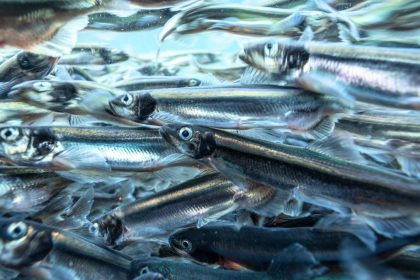
Contemporary research indicates that caffeine adversely affects the metabolic processes, growth rates, and motility of certain freshwater algae, plants, and aquatic insect larvae, potentially leading to mortality. Caffeine can impact marine and plant life even at low concentrations.

What substances are appropriate and inappropriate for drain disposal?
Public drainage systems are integral components of our water management infrastructure. Consequently, nothing should be introduced into a drain that one would not wish to encounter in a river, lake, at the seaside, or in the ocean.
This prohibition extends to coffee, coffee grounds, food-based liquids, oils, paint, hot fats, detergents, bleaches, and liquids originating from construction activities, among other substances. All such materials should be responsibly managed through appropriate household waste receptacles or designated waste disposal centers. Public drains should be reserved solely for their intended purpose: collecting rainwater, not wastewater.
Given the prevalence of combined sewage systems in the UK, the distinction between discharging liquids into a sink or a street drain is minimal. Therefore, practices beneficial for street drains are equally advantageous for kitchen sinks and, by extension, the environment. Pragmatically, coffee grounds can readily lead to blockages in kitchen sinks.
Recommended practices for coffee disposal?
If you frequently discard leftover coffee liquid, consider adjusting your brewing quantities. At home, coffee water can be diluted and utilized as a beneficial nutrient supplement for plants. Coffee liquid and grounds can also be incorporated into gardens or plant beds in moderation and with careful application.
While coffee grounds can enrich the organic composition of soil, their repeated application to the same soil area may result in an accumulation of caffeine and solid matter, which can be detrimental to plant health and soil functionality.
Alternatively, the most suitable destinations for waste coffee are composting facilities or organic waste recycling programs. In the absence of these options, collected liquids or grounds should be placed in a suitable container and disposed of in household refuse bins.
A recent parliamentary inquiry into the state of the UK’s rivers and coastal waters concluded that substantial reforms, policy adjustments, and increased investment are imperative to ameliorate the current poor condition. However, individual actions also play a crucial role in the functioning of our water systems. By preventing coffee from entering drains, rivers, and ultimately our environment, we can contribute to its preservation.