For the first time in recorded history, Iceland has reported the presence of mosquitoes, an entomological development for an island nation previously recognized globally as a sanctuary from these insects, a scientific observer communicated to AFP on Monday.
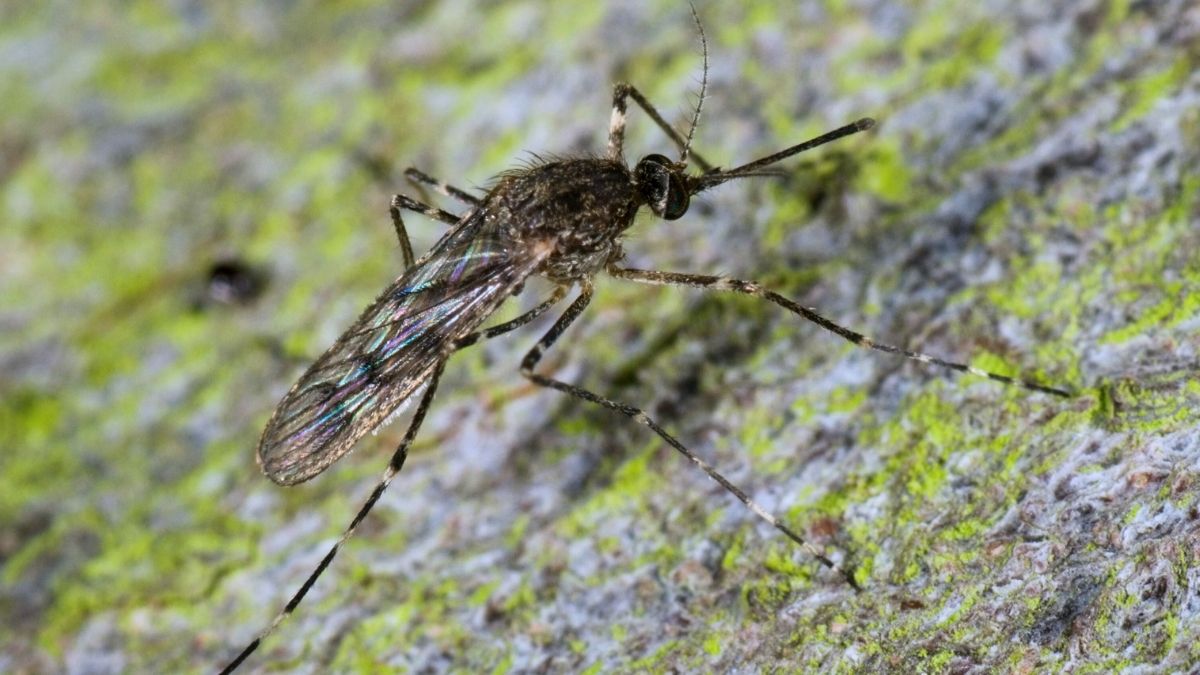
Three specimens of the Culiseta annulata species, comprising two females and a single male, were documented in proximity to the capital city, Reykjavik, approximately 30 kilometers (20 miles) to the north, as confirmed by Matthias Alfredsson, an entomologist affiliated with the Natural Science Institute of Iceland.
“All specimens were procured utilizing wine ropes… designed for the capture of moths,” the researcher explained via email. This method involves the preparation of sugared heated wine, into which ropes or fabric strips are immersed and subsequently suspended outdoors to attract insects with a preference for sweetness.
Joining Antarctica, Iceland has historically been one of the Earth’s scarce territories devoid of a mosquito population.
“This constitutes the inaugural documented instance of mosquitoes being found in Iceland’s natural surroundings. A solitary specimen of Aedes nigripes, an arctic mosquito variety, was retrieved many years ago from an aircraft at Keflavik airport,” Alfredsson stated, further noting that “regrettably, this particular specimen is no longer available.”

Their emergence could “suggest a recent influx into the nation, potentially facilitated by maritime transport or cargo,” he posited, emphasizing that subsequent surveillance during the spring period will be essential to ascertain their dispersal patterns.
Elevated temperatures, extended summer seasons, and temperate winters, consequences attributed to shifts in global climate, cultivate a more conducive environment for mosquito proliferation.
However, Alfredsson did not attribute the recent finding solely to a warmer climate.

The encountered species “appears to possess robust adaptability to frigid conditions,” which “equips them to endure prolonged, severe winters where temperatures plummet below freezing,” he elaborated.
He further commented on its “varied larval development sites… which additionally bolster its capacity to endure within Iceland’s demanding ecosystem.”