Recent investigations originating from the University of Colorado, Boulder, indicate a correlation between erythritol, a prevalent artificial sweetener, and an elevated susceptibility to cardiovascular and cerebrovascular incidents.
Berry et al. demonstrate that erythritol — at a concentration typically contained in a standard-size commercially available artificially sweetened beverage — adversely affects brain microvascular endothelial cell oxidative stress, eNOS activation and NO production, ET-1 expression, and t-PA release in vitro. Image credit: Tafilah Yusof.
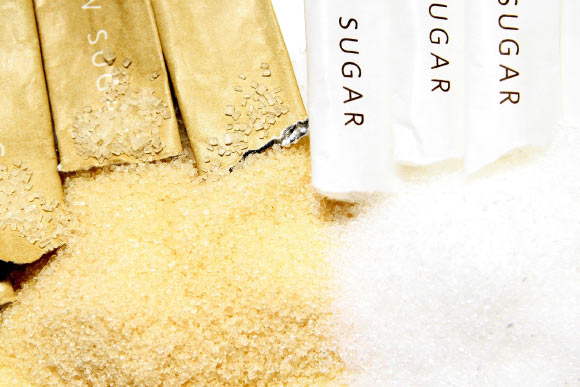
Erythritol enjoys widespread adoption as a non-nutritive sugar substitute owing to its negligible effect on glycemic and insulin responses.
This four-carbon sugar, characterized by its exceptionally low caloric value, possesses a sweetness intensity ranging from 60% to 80% that of sucrose, rendering it a favoured alternative to sugar in a diverse array of products including baked goods, confectionery, and beverages.
Having received FDA endorsement in 2001, the utilization of erythritol has been promoted for individuals managing obesity, metabolic syndrome, and diabetes, aiming to facilitate the regulation and reduction of caloric intake and sugar consumption, thereby contributing to the management of elevated blood glucose levels.
Erythritol occurs naturally in modest quantities within numerous fruits and vegetables, as well as in fermented foodstuffs, and is expeditiously assimilated by the small intestine through a process of passive diffusion.
Within the human body, erythritol is also synthesized endogenously from glucose and fructose by erythrocytes, hepatic tissues, and renal structures via the pentose phosphate pathway. Consequently, circulating erythritol concentrations are influenced by both internal synthesis and external dietary sources.
“Our findings contribute to the growing body of evidence suggesting that non-nutritive sweeteners, often presumed to be benign, may carry associated adverse health outcomes,” stated Professor Christopher DeSouza of the University of Colorado, Boulder.
In a recent extensive investigation encompassing 4,000 participants across the United States and Europe, researchers observed that individuals exhibiting higher circulating concentrations of erythritol demonstrated a significantly heightened propensity for experiencing a myocardial infarction or stroke within the subsequent three-year period.
Professor DeSouza and his research team embarked on an endeavor to elucidate the potential mechanisms underpinning this augmented risk.
Human cells comprising the vascular lining of the brain were subjected to a three-hour incubation period with an erythritol concentration equivalent to that found in a typical sugar-free beverage.
The cellular milieu was observed to undergo a multitude of alterations following treatment.
The treated cells exhibited a marked decrement in nitric oxide production, a vital molecule responsible for vasodilation, and a concurrent increase in endothelin-1, a protein that promotes vasoconstriction.
Furthermore, when exposed to thrombin, a compound that initiates clot formation, the cellular generation of t-PA, a naturally occurring fibrinolytic agent, was substantially diminished.
The erythritol-treated cells also exhibited an augmented production of reactive oxygen species, or free radicals, which are metabolic byproducts implicated in cellular senescence, cellular damage, and inflammatory processes within tissues.
“Collectively, an increase in vascular constriction coupled with a compromised capacity for blood clot dissolution logically elevates the risk of stroke,” commented Auburn Berry, a graduate student at the University of Colorado, Boulder.
“Our research not only substantiates this premise but also elucidates the specific pathways through which erythritol may contribute to cerebrovascular incident risk.”
“Our experimental design utilized a single serving’s equivalent of the sugar substitute,” Professor DeSouza remarked.
“For individuals who consume multiple servings daily, the potential impact could conceivably be more pronounced.”
The researchers emphasize that their investigation, conducted in vitro on cellular models, necessitates corroboration through larger-scale human cohort studies.
Nevertheless, they advise consumers to diligently review product labels, specifically seeking out indications of erythritol or ‘sugar alcohol.’
“Considering the epidemiological study that served as the impetus for our work, and now our cellular findings, we posit that it would be judicious for individuals to monitor their intake of such non-nutrient sweeteners,” Professor DeSouza advised.
This investigation was published today in the Journal of Applied Physiology.
_____
Auburn R. Berry et al. 2025. The non-nutritive sweetener erythritol adversely affects brain microvascular endothelial cell function. Journal of Applied Physiology 138 (6): 1571-1577; doi: 10.1152/japplphysiol.00276.2025