The increasing frequency of severe weather phenomena and the gradual elevation of sea levels are placing invaluable cultural heritage sites across the globe in a vulnerable position.
A compelling illustration of this precarious situation unfolded in 2024 with the collapse of a stone pyramid in Mexico, a casualty of an increasingly volatile global climate.
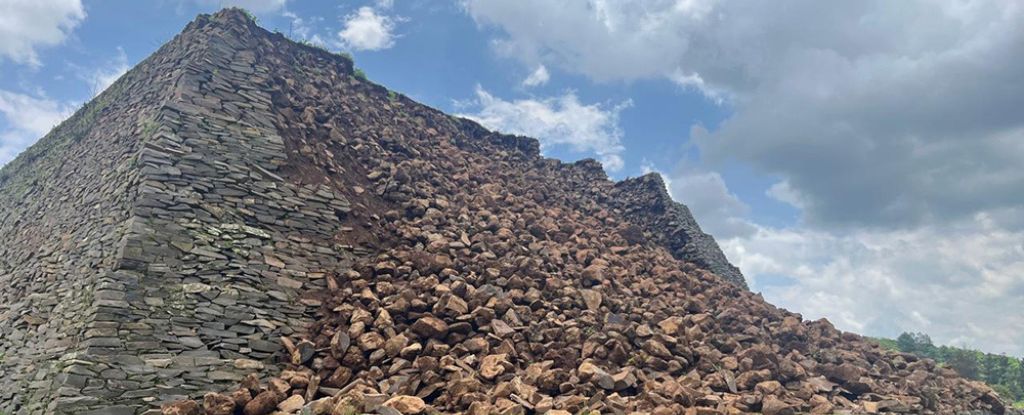
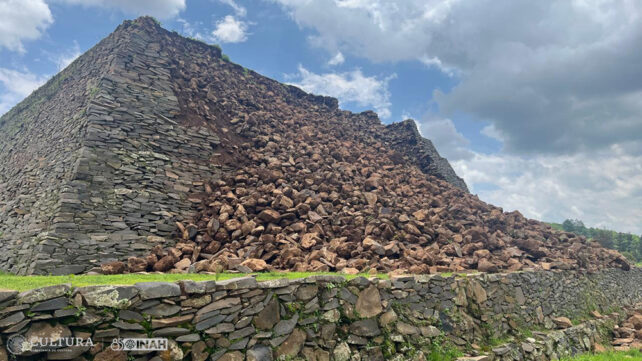
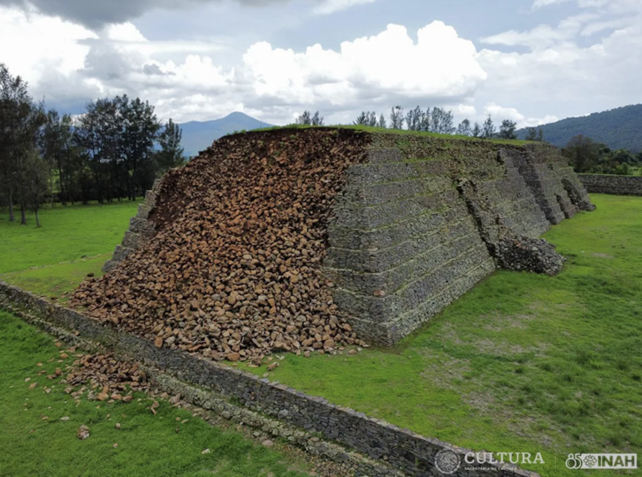
On the evening of July 29, the imposing 15-meter-tall (approximately 50-foot-tall) quadrangular structure situated in the state of Michoacán gave way under the relentless onslaught of continuous rainfall, resulting in the disaggregation of its southern facade into a heap of debris.
This pyramid was once among the best-maintained edifices of the Michoacán Kingdom civilization. It is located at Ihuatzio, a remarkably well-preserved archaeological zone that also features another pyramid, a defensive tower or stronghold, and several burial chambers.
The site’s initial habitation dates back 1,100 years, established by Indigenous groups speaking Nahuatl. Subsequently, it evolved into the central hub of the P’urhépechas people, the sole significant empire that successfully evaded conquest by the Aztecs. This distinct culture continues to flourish to this day.
While only one of the pyramids at the location sustained damage, representatives from Mexico’s National Institute of Anthropology and History (INAH) have indicated that a minimum of six of its terraced levels are in a state of disrepair, encompassing the exterior wall, the internal core, and the supporting wall.
They attributed the structural failure to the extreme weather conditions that preceded the incident.
During July 2024, which marked the zenith of the Northern Hemisphere’s summer, Mexico experienced widespread battering from heavy precipitation and thunderstorms. This climatic intensity followed the nation’s most severe drought in three decades, a period so dry that numerous lakes vanished entirely.
“The elevated temperatures previously observed in the region, compounded by the resultant drought, created fissures that facilitated water infiltration into the interior of the pre-Hispanic edifice,” stated an official INAH communiqué.
From that point, a structural collapse became virtually unavoidable. Authorities are presently concentrating their efforts on restoring the building’s integrity to safeguard Mexico’s cultural heritage.
It is archeologists’ professional responsibility to investigate past human behaviors, yet invariably, their endeavors are also shaped by contemporary human actions.
The combination of extreme weather events and rising sea levels, exacerbated by anthropogenic climate change, presents a formidable challenge to significant sites from ancient civilizations.
More recently, archeologists have documented the accelerated deterioration of ancient cave paintings in Oceania due to escalating climate changes.
Furthermore, a study published last year, examining cultural heritage building materials across Europe and Mexico, revealed that substantial increases in precipitation heighten the risk of damage to these structures.
Tariakuiri Alvarez, who identifies as a living descendant of the P’urhépecha tribe, has conveyed that his ancestors would have interpreted the crumbling of the Ihuatzio pyramid as a harbinger of ill fortune.
In a social media declaration, Alvarez explained that prior to the arrival of foreign invaders in Mexico, a comparable event occurred, signifying divine displeasure.
Merely a few days before the Mexican pyramid succumbed, Utah’s iconic ‘Double Arch’ also experienced a structural failure, likely attributable to fluctuating water levels and erosion.
These heritage sites represent unparalleled legacies that humanity endeavors to preserve for posterity. Witnessing their disintegration due to a climate profoundly altered by our collective actions is a disheartening spectacle, and certainly not one to be overlooked.