Groundbreaking research offers insight into the varied responses of patients battling the most aggressive forms of ovarian cancer to therapeutic interventions. Tumorous tissues exhibiting the presence of MHC class II molecules have been associated with heightened immunological activity and extended patient longevity.
These revelations, stemming from an extensive investigation spearheaded by the University of Helsinki, illuminate the capacity of specific ovarian cancer cells to modulate the surrounding immune environment. This understanding holds the potential to refine prognostic assessments and inform the development of novel therapeutic strategies.
Through meticulous analysis of ovarian cancer specimens from over 280 female subjects, investigators identified a correlation between superior patient outcomes and the aggregation of immune cells at the tumor’s periphery, specifically where malignant tissue interfaces with healthy cells. This demarcation zone emerged as a critical arena for the body’s defensive mechanisms in their efforts to impede disease dissemination.
The study’s outcomes underscore the ability of neoplastic cells to influence the behavior of adjacent immunological components, pinpointing this “front line” as the site of pivotal confrontations between the tumor and the host’s physiological defenses.
“We succeeded in generating high-resolution spatial maps of more than 1000 ovarian cancer tissue samples, enabling a granular view of individual cells and their organizational patterns. This advanced imaging methodology demonstrated that the immune system was actively engaged in combat—a phenomenon we previously lacked the means to observe,” stated Anniina Färkkilä, the research lead and a specialist in gynecology at the University of Helsinki.
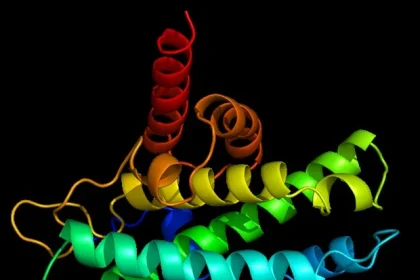
Among the most significant discoveries was the identification of the MHC class II molecule. Typically employed by immune cells to signal the presence of external threats, this molecule was also detected on a subset of cancer cells. Tumors demonstrating elevated levels of MHC class II were linked to more robust immune responses and improved prognoses, irrespective of established clinical or molecular risk factors.
These findings firmly establish MHC class II as a pivotal molecular indicator associated with enhanced survival rates.
To ascertain the implications for treatment efficacy, researchers utilized laboratory-cultivated tumor samples derived from patients. Tumors that expressed MHC class II facilitated a more vigorous immune cell attack on the cancerous cells following administration of immunotherapy. Conversely, when this signaling pathway was obstructed, the immune response experienced a diminution.
This observation implies that immunotherapies may be more effective in patients whose tumors exhibit MHC class II expression, suggesting its utility as a biomarker for patient stratification in clinical settings. Furthermore, augmenting MHC class II expression could potentially enhance patient responsiveness to immunotherapeutic agents.
“We were surprised to find cancer cells utilizing a signaling mechanism normally exclusive to the immune system,” remarked Anniina Färkkilä. “This marker helps elucidate why certain patients’ immune systems are more adept at recognizing and confronting their tumors, thereby guiding us toward more effective immunotherapy approaches for ovarian cancer in the future.”
The research, disseminated in the journal Cancer Discovery, an publication of the American Association for Cancer Research, on February 9, 2026, underscores the potential for capitalizing on the immune system’s capabilities and implementing highly individualized treatment paradigms in the management of ovarian cancer.