Although fecal microbiota transplantation represents a pioneering and experimental therapeutic intervention, the utilization of excrement for medicinal purposes is far from a contemporary concept.
Ancient Roman inhabitants possessed a certain familiarity with their bodily waste—or at least they presumed to. Historical records indicate that esteemed physicians in Rome were advising individuals to prepare medicinal poultices and aromatic concoctions derived from both animal and human excrement.
We now possess concrete, empirical validation for these historical practices.
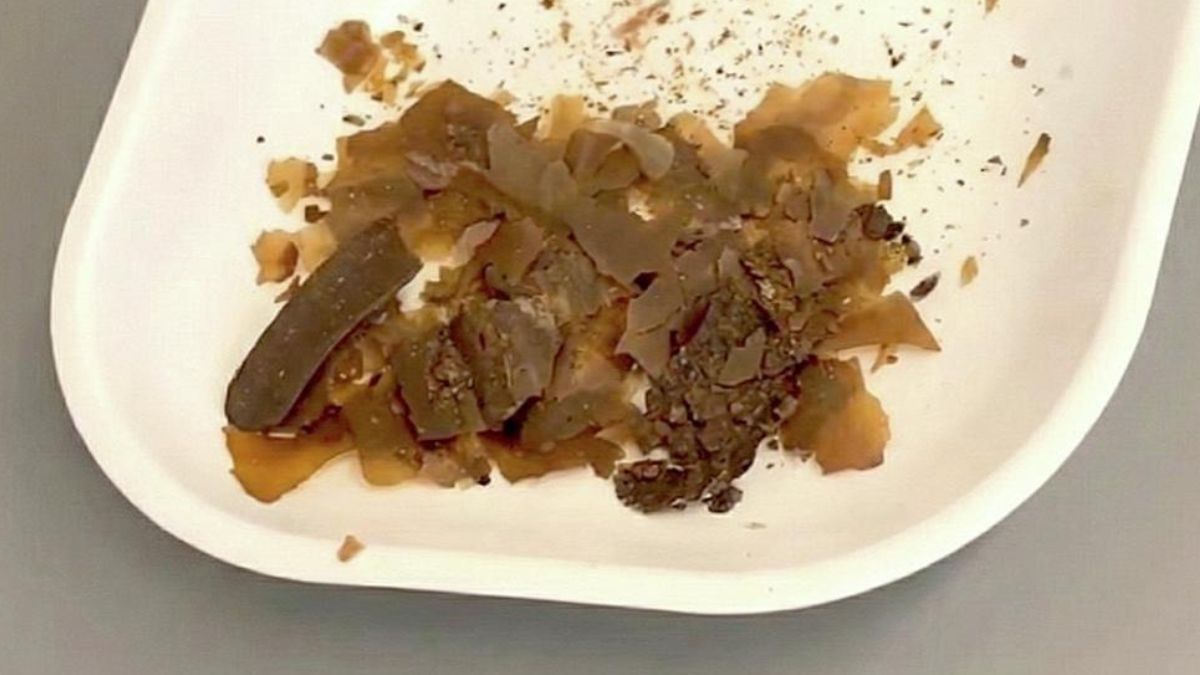
Archaeological investigations conducted in Türkiye have unearthed the initial chemical signatures of human feces within a 1,900-year-old receptacle.
This elongated, slender container, resembling a glass candlestick with a flared base, was historically identified as an unguentarium and was typically designated for the storage of perfumery or cosmetics.
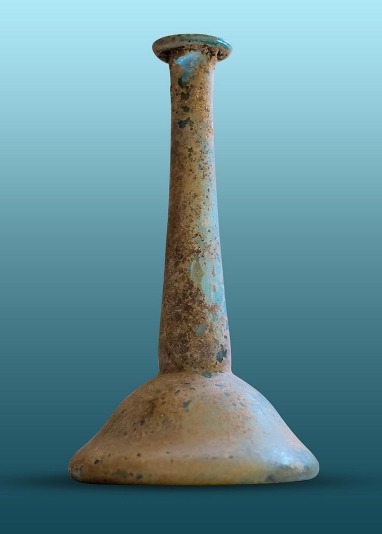
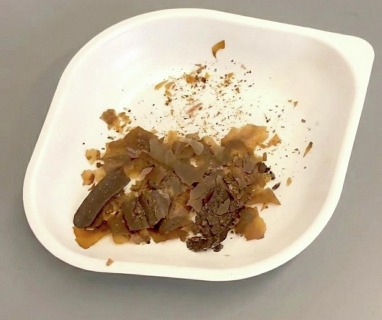
Upon meticulous scraping of the interior surfaces of the artifact, currently housed at the Bergama Archaeology Museum, dark, brownish particulate matter of an unidentified substance was recovered.
By pulverizing the collected sample and subjecting it to chemical analysis, the research consortium of three investigators identified specific biomarkers that strongly suggest the presence of human fecal matter.
Furthermore, trace quantities of aromatic compounds characteristic of thyme were detected, likely incorporated to neutralize any residual odors.
During the era of ancient Rome, it was not uncommon for prominent medical practitioners, such as Hippocrates, Pliny the Elder, or Galen of Pergamon, to endorse the medicinal application of excrement.
Indeed, bodily waste, typically of animal origin, was frequently recommended in medical treatises for a wide array of health concerns, including inflammatory conditions, infections, and even challenges related to reproductive health.
The discovery of human fecal residue within an ancient Roman vessel, dating to the 2nd century CE, provides significant insight. It substantiates the historical accounts suggesting that human excrement was indeed employed as a topical therapeutic agent or for what has been termed ‘olfactory pharmacology’.
“Historical accounts clearly delineate that the distinctions between cosmetic and medicinal applications were fluid, and that unguents commonly blurred the lines between healing, personal hygiene, and even mystical practices,” state archaeologist Cenker Atila from Sivas Cumhuriyet University, along with his colleagues, in their published research paper. report
Similar therapeutic applications involving excrement appear to have persisted throughout the medieval period, only to be subsequently phased out by the 18th century.
At that historical juncture, the medicinal use of dung presented considerable risks, given that feces can act as vectors for dangerous pathogens.
However, in contemporary medical practice, with rigorous screening protocols for fecal transplants, the stool and its diverse microbial communities offer the potential to address a broad spectrum of conditions, ranging from mood disorders like depression and bipolar disorder to metabolic diseases such as diabetes, cardiovascular ailments, and eradicating antibiotic-resistant superbugs.
Despite significant advancements in our understanding of the gut microbiome, there remains a vast expanse of knowledge yet to be acquired regarding the myriad microorganisms inhabiting our intestines and their profound influence on our overall well-being. We still have much to uncover.
While systematic reviews of clinical trials indicate that fecal transplantation can contribute to a healthier gut microbiome and alleviate symptoms in individuals with specific conditions, such as irritable bowel syndrome, these benefits tend to wane within approximately a six-month timeframe.
Considering that this experimental intervention carries intrinsic health hazards and, in rare instances, can prove fatal, a judicious and cautious approach is warranted, although promising indications are indeed emerging.
For instance, a recent investigation involving murine subjects demonstrated that older animals receiving a fecal transplant from younger counterparts exhibited physiological markers indicative of a more youthful gut environment.
Moreover, in 2021, a separate study conducted on mice revealed that fecal transplants originating from younger individuals effectively reversed age-related physiological changes in older animals.
Consequently, the concept of employing the feces of younger individuals as a therapeutic agent may not be as absurd as it once seemed; Galen’s insights might hold more relevance than initially appreciated.
This research was published in the esteemed journal Journal of Archaeological Science: Reports.