Microorganisms retrieved from ice dating back 5,000 years within Romania’s Scărișoara Ice Cave may offer a pathway to combatting antimicrobial-resistant pathogens, according to novel scientific findings. However, a significant caveat exists: these ancient microbes themselves could potentially evolve into formidable threats.
This groundbreaking investigation was spearheaded by a collective from the Institute of Biology Bucharest (IBB) under the auspices of the Romanian Academy. Their work illuminates the as-yet-unrealized therapeutic capabilities, alongside inherent dangers, posed by microorganisms ensconced in frigid environments for extended durations.
The escalating challenge of antibiotic resistance, a critical concern for public health, stems from the continuous evolutionary adaptation of bacteria to circumvent even the most potent therapeutic agents. This phenomenon is far from novel; this perpetual struggle for survival has been unfolding across eons.
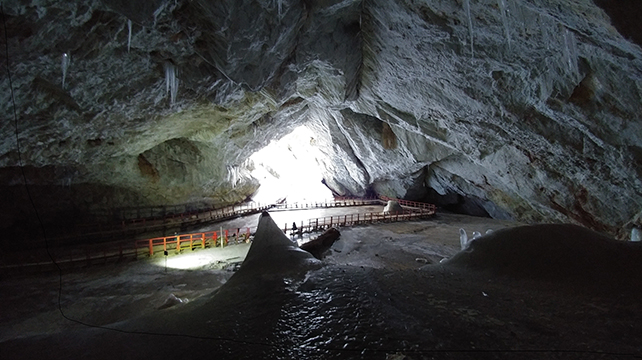
Environments characterized by extreme conditions, such as the glacial repository where these bacteria were discovered, foster remarkable microbial diversity. It is plausible that these genetic adaptations could yield avenues for superior antibiotics, or conversely, exacerbate the existing crisis.
“The bacterial isolate designated Psychrobacter SC65A.3, sourced from the Scărișoara Ice Cave, exhibits resilience to a multitude of contemporary antibiotics despite its ancient provenance. It also harbors over 100 genes associated with resistance,” elucidated IBB microbiologist Cristina Purcarea in a statement.
“Conversely, this strain demonstrates the capacity to impede the proliferation of several prevalent antibiotic-resistant ‘superbugs’ and possesses significant enzymatic activities with notable biotechnological promise.”
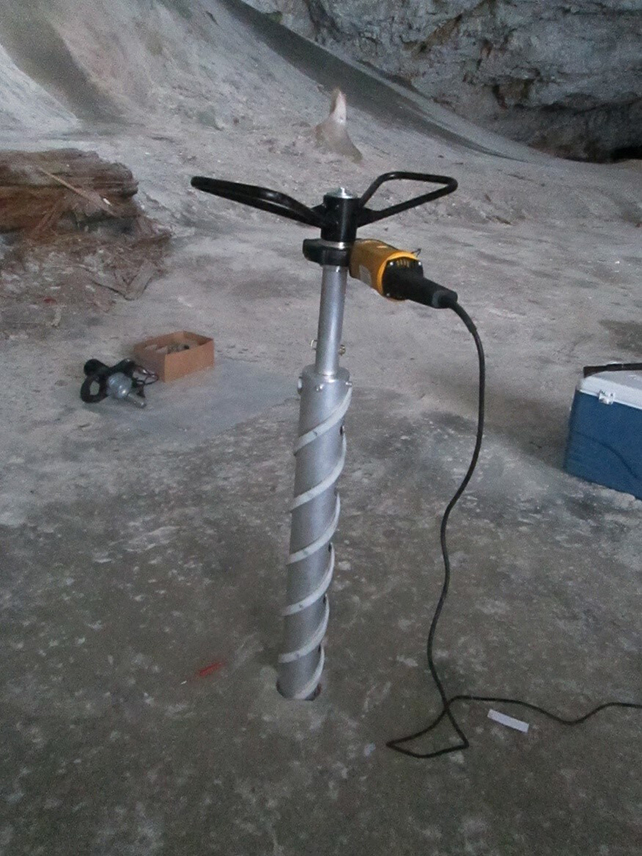
In pursuit of their research objectives, the scientific team successfully extracted a 25-meter (82-foot) ice core from the area known as the Great Hall within the Scărișoara Ice Cave. Following a meticulous process of isolating bacterial strains embedded within the ice, genomic sequencing techniques were employed to ascertain the genes responsible for cold adaptation and antimicrobial efficacy.
This analytical endeavor revealed that Psychrobacter SC65A.3 presents a dual potential: it could indeed serve as a source for novel antibiotic compounds. However, there exists a tangible risk that if permitted to re-emerge and disseminate, it might transfer its drug-resistant genetic material to other bacterial populations through horizontal gene transfer.
This particular bacterial strain belongs to the Psychrobacter genus, a group of bacteria that have evolutionary specialized in surviving within frigid environments. While certain members of this genus are known to cause infections, considerable knowledge gaps persist regarding their developmental pathways and their potential utility in enhancing modern antibiotic therapies.
Although the development of any new antibiotics derived from this bacterial source is anticipated to be a protracted process, it is expected to concurrently offer valuable insights into the mechanisms by which resistance to antimicrobial agents emerges and propagates across different species.
The research consortium behind this study is advocating for expanded investigations into microorganisms that have remained preserved in frozen states, thereby providing both a glimpse into antiquity and a potential means to ameliorate future challenges.
“To foster a comprehensive understanding of microbial life within cold ecosystems, integrated research efforts should prioritize the cataloging of their taxonomic and functional diversity, the elucidation of their adaptation mechanisms to cold, the assessment of their influence on biogeochemical cycles and climate feedback loops, and the exploration of novel microbial entities and functions with prospective applications in biotechnology and medicine,” the researchers articulated in their peer-reviewed publication.
The scientists highlight the possibility of frozen environments acting as reservoirs for resistance genes. Concurrently, the progression of climate change is causing these frozen regions to thaw, leading to the re-emergence of countless dormant microorganisms into an environment significantly altered from their original habitat.
Consequently, there is an urgent imperative to develop strategies for leveraging these bacteria to combat infections and diseases before they can pose a demonstrable threat.
It is estimated that antibiotic resistance is implicated in over a million fatalities globally each year. While the trajectory for antimicrobial resistance remains concerning, there are nevertheless indications of encouraging advancements.
“Should these microbes be released by melting ice, their genetic material could transfer to contemporary bacteria, thereby intensifying the global struggle against antibiotic resistance,” cautioned Purcarea.
“Conversely, these organisms generate distinctive enzymes and antimicrobial compounds that could serve as inspiration for novel antibiotics, industrial enzymes, and other innovative biotechnological applications.”