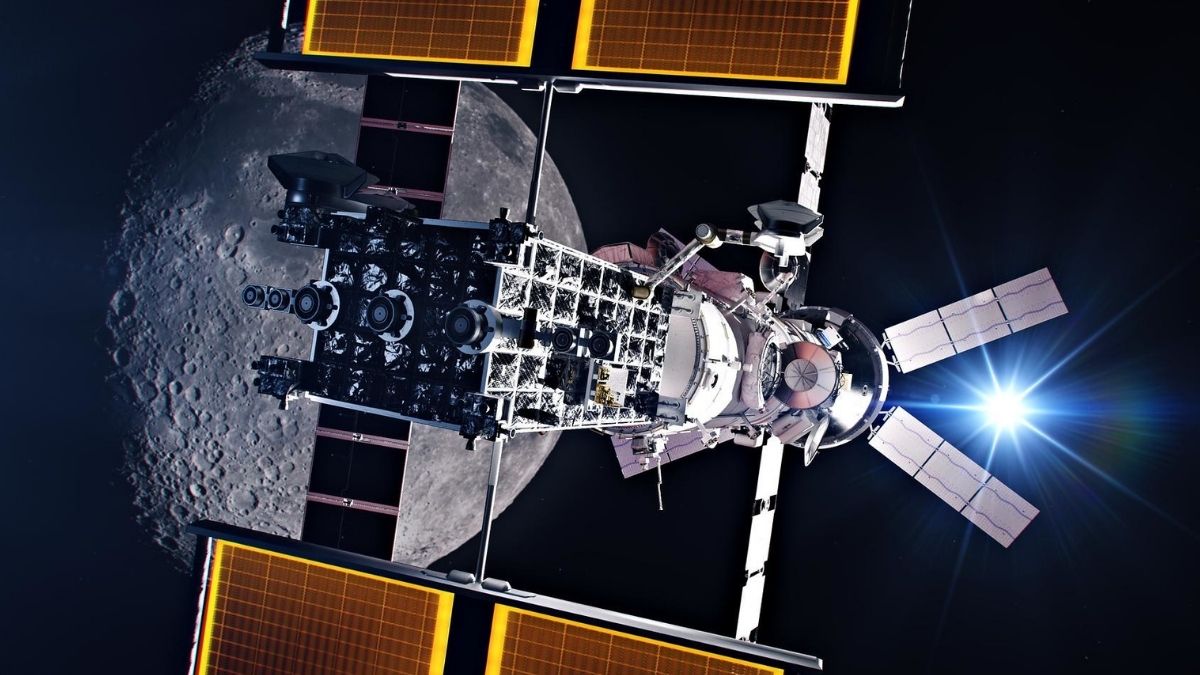
The United States space agency’s administrator announced on Tuesday that NASA will allocate $20 billion toward the establishment of a lunar base, concurrently halting its development of the orbital space station designated as Gateway.
“The agency is electing to place Gateway on hold in its present configuration, redirecting its focus toward infrastructure that facilitates enduring surface operations,” stated Jared Isaacman during a day-long forum at NASA’s Washington headquarters.
“Notwithstanding the challenges encountered with certain existing hardware, the organization will repurpose suitable equipment and leverage the commitments of its international collaborators to further these aims,” he elaborated.
This development represents the most recent significant alteration within NASA, following adjustments to the Artemis initiative. This program is designed to return astronauts to the lunar surface and establish a persistent human presence, thereby laying the groundwork for subsequent interplanetary voyages to Mars.
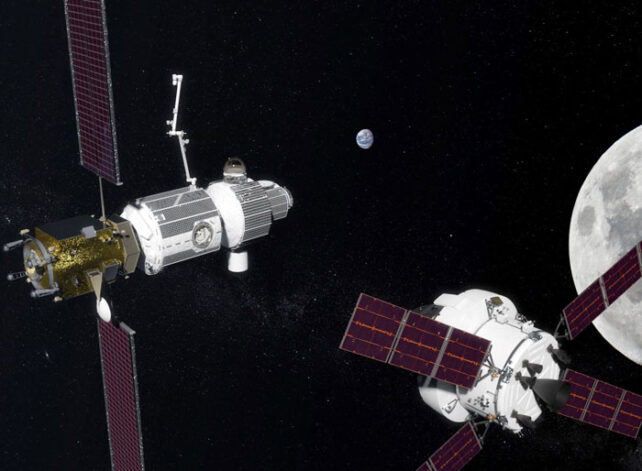
The originally planned Gateway orbital lunar outpost was intended to function as a transit point for crew traveling to the Moon, in addition to serving as a research platform.
The discontinuation of this particular undertaking is not entirely unexpected, given that some critics had previously voiced concerns about its financial viability and its potential to divert resources from other lunar objectives.
Halting the Gateway project will permit the reallocation of efforts and funding toward the construction of the base in proximity to the strategically vital lunar south pole, as explained by Isaacman, which was already an established objective.
Isaacman disclosed that NASA now intends to expend $20 billion over the ensuing seven years to construct the base through numerous missions, “collaborating with commercial entities and international partners to achieve a deliberate and attainable plan.”
“We are charting a progressive course for the establishment of humanity’s inaugural permanent extraterrestrial surface outpost, and we will bring the world along on this journey.”
The European Space Agency, along with other international organizations, were integral partners in the initially conceived Gateway project.
When questioned by AFP, the ESA indicated that it is “presently engaged in close deliberations with its member states, international collaborators, and European industries to evaluate the ramifications of this announcement.”
Artemis 2 on deck
Isaacman, who assumed leadership of NASA late last year, recently announced a strategic reorganization of the Artemis program, which has experienced several setbacks in recent years. This adjustment is aimed at ensuring American astronauts can return to the lunar surface by 2028.
While this overarching objective remains unchanged, the US space agency is modifying its flight schedule to incorporate a preliminary test mission prior to a definitive lunar landing, with the intention of enhancing operational proficiency, Isaacman explained.
This tactical revision was initiated amidst recurring postponements of the Artemis 2 mission, which was initially scheduled for launch as early as February but is now slated for early April. Its purpose is to conduct the first lunar flyby in more than fifty years.
During his tenure, President Donald Trump articulated a desire for Americans to once again set foot on the lunar terrain.
Meanwhile, China is actively pursuing its own agenda, planning its inaugural crewed lunar mission by 2030 at the latest.
The success of the US endeavor relies, in part, on the advancement of NASA’s private sector associates.
SpaceX and Blue Origin, the respective aerospace enterprises founded by billionaires Elon Musk and Jeff Bezos, have been contracted to develop the lunar landers essential for the Artemis program.