A comprehensive analysis released on Thursday revealed that certain medications once lauded as monumental advancements in the battle against Alzheimer’s disease offer no substantial benefit to patients, although some specialists have voiced dissent concerning the findings.
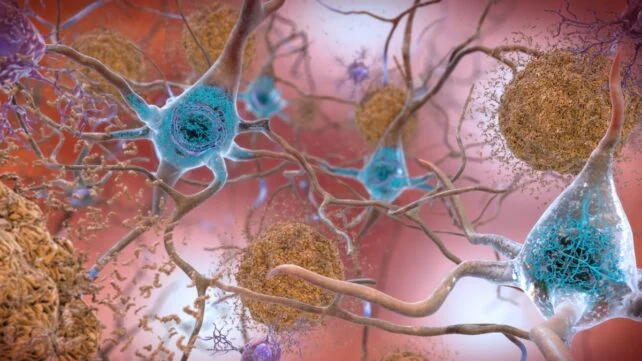
The examination, conducted by the Cochrane organization – widely regarded as the benchmark for evaluating existing scientific evidence – focused on pharmaceuticals designed to counteract amyloid plaques, which accumulate within the cerebral tissue of individuals afflicted with Alzheimer’s.
For an extended period, scientists have been dedicated to finding a means of eradicating these plaques, positing that their presence could be the root cause of the most prevalent form of dementia, impacting millions of older adults annually.
Following decades characterized by significant financial investment and limited success, two anti-amyloid agents, identified as lecanemab and donanemab, were initially celebrated as transformative therapies that finally presented a viable strategy for retarding the progression of this debilitating neurological condition.
Both of these therapies received regulatory approval in the United States and the European Union within the past several years.
Nevertheless, apprehensions regarding their efficacy, exorbitant expense, and adverse reactions, including an elevated propensity for cerebral edema and hemorrhage, have subsequently necessitated a more cautious approach. Publicly funded healthcare systems in the United Kingdom and France have opted against reimbursing these medications.
The recent Cochrane evaluation synthesized data from 17 distinct clinical investigations involving an aggregate of over 20,000 participants diagnosed with mild cognitive impairment or early-stage dementia.
These investigative studies, spanning approximately 18 months, examined seven different classes of anti-amyloid agents.
Only one of the investigated trials focused on donanemab – marketed by the prominent American pharmaceutical corporation Eli Lilly under the trade name Kisunla – whereas another trial assessed lecanemab, distributed by Biogen and Eisai as Leqembi.
Although preliminary findings had suggested that these treatments yielded a statistically significant variation, this effect did not translate into “a clinically meaningful outcome for patients,” stated lead author Francesco Nonino of Italy’s IRCCS institute, during a press briefing.
The researchers underscored that neuroimaging results demonstrated the drugs’ successful clearance of amyloid deposits.
“Consequently, our findings have effectively refuted the hypothesis that the elimination of amyloids would confer benefits upon patients,” explained study co-author Edo Richard, affiliated with Radboud University Medical Centre in the Netherlands.
‘Failing to Meet Expectations’
Richard, who has previously expressed reservations about anti-amyloid medications, conveyed his hope that future research endeavors targeting alternative pathological pathways implicated in Alzheimer’s will lead to the development of more efficacious therapies.
John Hardy, a British biologist recognized for formulating the amyloid hypothesis in the 1990s, lodged a critique against the review, asserting that its methodology of aggregating data from lecanemab and donanemab alongside drugs known to be ineffective unduly skewed the overall statistical average downwards.
“This is a poorly conceived study that should not have been disseminated,” stated Hardy in comments to AFP, also disclosing his consultancy roles with Eli Lilly, Biogen, and Eisai.
In addressing these concerns, Richard clarified that while the pharmaceuticals included in the analysis might operate via distinct mechanisms, their common objective remains the same: targeting amyloid-beta proteins.
Bryce Vissel, a neuroscientist from Australia not participating in the research, commented that the study “does not establish that amyloid plays no role in Alzheimer’s, nor does it preclude the possibility of future amyloid-focused treatments that could benefit patients.”
“However, it does demonstrably show that the current cohort of anti-amyloid drugs is not fulfilling the significant prognostications that have been associated with them.”