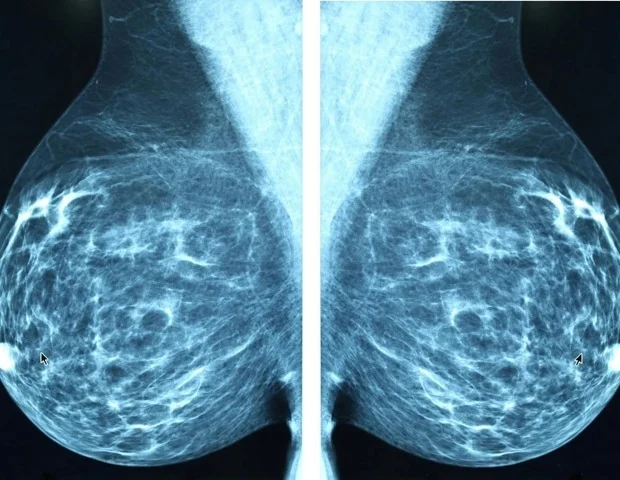
Individuals undergoing mammographic examinations with concerning results frequently face protracted periods of uncertainty, often stretching into weeks, before a definitive diagnosis regarding breast cancer is established.
A novel approach developed by investigators at the University of California, San Francisco (UCSF) and the University of California, Berkeley (UC Berkeley) now promises to truncate this anxious interval. This innovation leverages artificial intelligence (AI) to efficiently pinpoint individuals exhibiting a higher probability of harboring the disease. By facilitating a prioritized patient pathway, this AI-augmented methodology guides women with abnormal mammograms through the entire diagnostic continuum—encompassing imaging, expert assessment, and in certain instances, even a biopsy—all within a single day.
“We are presently navigating a truly exhilarating phase,” remarked Maggie Chung, MD, lead author of the research, the findings of which were disseminated on May 19 in the esteemed journal Nature Digital Medicine. “This advancement brings us nearer to the realization of personalized medical care, wherein treatment regimens can be meticulously calibrated to ensure each patient receives the optimal intervention at the most opportune moment.”
The research team utilized Mirai, an open-source AI framework conceived by the study’s senior author, Adam Yala, PhD, a distinguished data scientist at UC Berkeley. Following an extensive training regimen on an array of hundreds of thousands of mammograms correlated with confirmed patient cancer statuses, Mirai gained the capacity to discern subtle patterns within screening mammograms, thereby forecasting a woman’s cancer risk with a potency exceeding that of a sole physician’s evaluation.
Chung and Yala implemented Mirai across more than 4,100 screening mammograms conducted at Zuckerberg San Francisco General Hospital and Trauma Center. The AI algorithm identified 525 women—constituting approximately 12.7% of the examined cohort—as belonging to a high-risk category.
These identified high-risk patients became eligible for immediate mammogram interpretation post-examination, and potentially for follow-up diagnostic imaging of any ambiguous regions, all on the same day. Furthermore, a subset of these women requiring biopsies were able to undergo this invasive procedure on the same day as their initial assessment.
Mirai significantly diminished the waiting period for diagnostic evaluation, reducing it from several weeks to approximately one hour. For individuals subsequently confirmed to have breast cancer, the AI’s implementation shortened the average wait for a biopsy from over two months to less than ten days.
It is important to note that Mirai does not supplant the role of radiologists, nor does it independently establish diagnoses. Rather, it functions as a sophisticated triage mechanism, empowering clinicians to identify patients who stand to gain the most from accelerated diagnostic and therapeutic pathways.
“This exemplifies a potent illustration of how AI can serve as a valuable collaborative partner for medical professionals,” stated Yala, who, alongside Chung, holds a faculty position as an assistant professor within the UCSF-UC Berkeley Joint Program in Computational Precision Health. “It underscores the potential for enhancing patient care through the synergistic collaboration of clinicians and data scientists in the design and deployment of these innovative systems.”
Prior to initiating the program, the research team conducted an exhaustive analysis of over 114,000 archival mammograms. This meticulous review ensured that the AI model possessed adequate sensitivity for identifying high-risk patients without creating an unsustainable burden of expedited evaluations within the clinical setting.
The researchers express optimism that AI adoption will foster a more individualized strategy for breast cancer screening, precisely calibrated to each patient’s unique risk profile.
Currently, numerous women adhere to identical screening schedules, despite considerable variations in their individual risk factors. AI-driven risk stratification presents an invaluable opportunity to identify those women most likely to benefit from prompt intervention and to ensure they receive the necessary care without delay.”
Maggie Chung, MD, first author of the study
Chung, M., et al. (2026). Prospective deployment of AI-based risk stratification to enable expedited mammography workflow in a safety-net setting. npj Digital Medicine. DOI: 10.1038/s41746-026-02743-x. https://www.nature.com/articles/s41746-026-02743-x