Projections indicate a more than twofold increase in Alzheimer’s disease and associated dementias by the year 2060. As June commences Alzheimer’s and Brain Awareness Month, a trio of University of Florida scholars is dedicated to enhancing clinicians’ capacity to differentiate these complex conditions—a pivotal advancement for earlier diagnosis and improved patient prognoses.
In a recent scientific publication within the journal Neurology, investigators introduced a novel computational instrument, designated Automated Imaging Differentiation for Dementia, or AIDD. This sophisticated system integrates neuroimaging data with artificial intelligence to accurately differentiate between two prevalent forms of cognitive decline: Alzheimer’s disease dementia and dementia with Lewy bodies. The study’s findings revealed AIDD’s remarkable proficiency in discerning these maladies, achieving near-perfect classification accuracy, thereby positioning it as a potentially transformative diagnostic aid for medical practitioners.
“The integration of artificial intelligence and cutting-edge imaging methodologies offers substantial potential for the elucidation of neurodegenerative patterns characteristic of dementia,” stated David Vaillancourt, Ph.D., a distinguished professor holding the Orchid Endowed Chair in the UF Department of Applied Physiology & Kinesiology within the College of Health and Human Performance.
Although both afflictions fall under the umbrella term “dementia,” their clinical presentations can vary significantly. For instance, dementia with Lewy bodies frequently manifests initially with impairments in attention, alertness, and motor control, whereas individuals diagnosed with Alzheimer’s typically exhibit prominent memory deficits. Crucially, the therapeutic strategies for dementia with Lewy bodies differ from those employed for Alzheimer’s.
Regrettably, a considerable overlap in symptomatology often leads to diagnostic confusion; it is estimated that up to half of individuals with dementia with Lewy bodies are initially misdiagnosed as having Alzheimer’s disease. Current diagnostic protocols necessitate a comprehensive approach, combining various assessments, cognitive testing, and neuroimaging rather than relying on a singular definitive marker. In certain instances, such diagnostic errors can result in the administration of treatments that may exacerbate cognitive and motor impairments.
To construct this diagnostic tool, researchers undertook an extensive analysis of 519 neuroimaging scans obtained from patients diagnosed with Alzheimer’s, dementia with Lewy bodies, and a control cohort exhibiting no cognitive impairment. These data were collected across multiple research data repositories between January 2007 and March 2022. A curated subset of 387 scans (comprising 129 cases of Alzheimer’s, 129 cases of dementia with Lewy bodies, and 129 controls) was subsequently utilized for the training and validation of the AI model. Eighty percent of this subset was allocated for model training, with the remaining 20% reserved for rigorous testing.
“To uphold the highest benchmarks of diagnostic accuracy and dependability, we conducted extensive validation experiments utilizing data procured from a diverse array of imaging scanners and clinical centers,” commented Angelos Barmpoutis, Ph.D., a professor affiliated with the UF College of the Arts’ Digital Worlds Institute. Dr. Barmpoutis collaborated on this research initiative alongside Dr. Vaillancourt and Robin Chen, Ph.D., a postdoctoral scholar within the J. Crayton Pruitt Family Department of Biomedical Engineering.
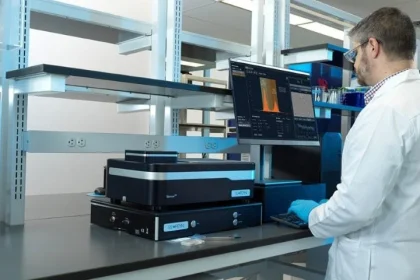
The imaging protocol involved a specialized magnetic resonance imaging (MRI) technique designed to quantify interstitial fluid accumulation within the brain, a common indicator of neuronal injury and inflammation. These subtle alterations in water diffusion dynamics within the brain were meticulously analyzed by the AI algorithm, enabling a more precise identification of each specific disease entity. Across a spectrum of neuroimaging comparisons, the developed tool demonstrated exceptional performance metrics. Further substantiating the system’s efficacy, the researchers applied the AIDD tool to an independent cohort of 13 patients whose diagnoses were definitively confirmed post-mortem through autopsies. Remarkably, the system accurately classified all 13 individuals.
“Given that the therapeutic regimens for Alzheimer’s disease and dementia with Lewy bodies are distinct, the development of precise diagnostic biomarkers will undoubtedly lead to superior clinical outcomes for affected individuals,” emphasized Dr. Vaillancourt.