Recent investigations reveal that tar derived from birch bark, historically recognized as a material for crafting tools, possesses the capacity to impede the proliferation of pathogenic microorganisms, including Staphylococcus aureus. This finding suggests a potential application by Neanderthals in wound management and infection control during the Pleistocene epoch.
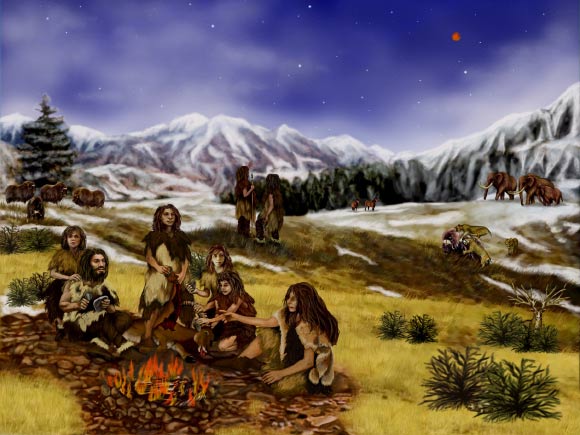
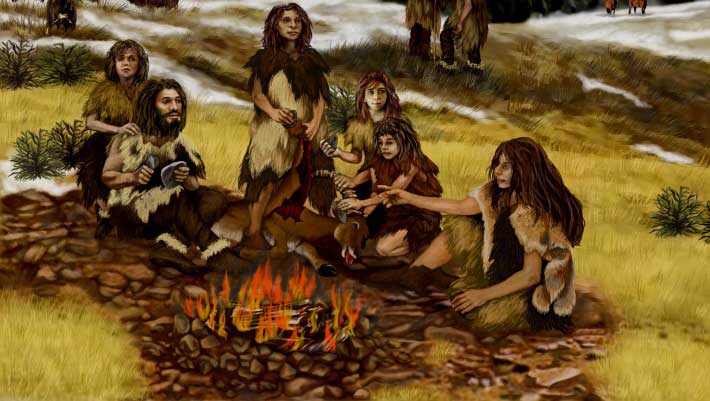
Neanderthals likely utilized birch tar for a spectrum of purposes, with wound treatment being a significant use. Scholarly work by Siemssen and associates corroborates the existence of selective antibacterial attributes within birch tar, demonstrating a consistent inhibitory influence on Staphylococcus aureus.
The presence of birch tar is frequently documented at Neanderthal archaeological loci, and in certain instances, this viscous substance has been identified as a binding agent for tool fabrication.
Contemporary scholarly discourse has recently explored the proposition that Neanderthals may have employed this material for a multiplicity of functions beyond simple adhesion.
By way of illustration, indigenous populations in northern Europe and Canada have historically applied birch tar for the remediation of injuries. Furthermore, a growing body of evidence points towards Neanderthals engaging in diverse therapeutic practices.
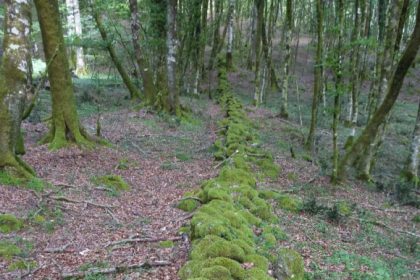
To meticulously examine the therapeutic potential of birch tar, Dr. Tjaark Siemssen of the University of Cologne and the University of Oxford, along with his research cohort, meticulously extracted tar from the bark of contemporary birch trees, specifically selecting species known to have been present in Neanderthal territories.
They employed a range of fabrication techniques, encompassing the distillation of tar within a subterranean clay pit and the subsequent condensation of the vaporized tar onto a stone surface. Both of these methodologies are presumed to have been accessible to Neanderthals.
Upon exposure to various bacterial strains, all generated tar samples exhibited a demonstrable capacity to suppress the proliferation of Staphylococcus bacteria, which are known agents of infection in wounds.
These experimental findings not only lend credence to the efficacy of traditional indigenous healing practices but also bolster the hypothesis that Neanderthals may have harnessed birch tar for therapeutic wound applications.
The researchers hypothesize that additional applications for birch tar may have existed, such as its use as an insect repellent, alongside other flora to which Neanderthals had access.
An in-depth investigation into the multifaceted potential applications of these naturally occurring substances is anticipated to foster a more comprehensive comprehension of Neanderthal societal structures.
“Our findings indicate that the birch tar produced by Neanderthals and early humans possessed antibacterial characteristics,” stated the research team.
“This revelation carries significant implications for understanding how Neanderthals might have mitigated the burden of disease during the final Ice Age, and it contributes to an expanding corpus of evidence concerning healthcare within these nascent human communities.”
“By synergizing research from indigenous pharmacology and experimental archaeology, we are beginning to unravel the medicinal approaches of our ancient human precursors and their closest kin.”
“Moreover, this exploration into paleopharmacology holds the potential to aid in the rediscovery of antibiotic remedies, particularly as we confront an increasingly critical global crisis of antimicrobial resistance.”
“The inherently messy nature of birch tar production warrants particular acknowledgment.”
“Each phase of the manufacturing process constitutes a distinct sensory experience, and the task of removing the tar from our hands after prolonged periods spent near the fire has consistently presented a challenge.”
The investigation was disseminated online through the scientific journal PLoS ONE.
_____
T. Siemssen et al. 2026. Antibacterial properties of experimentally produced birch tar and its medicinal affordances in the Pleistocene. PLoS One 21 (3): e0343618; doi: 10.1371/journal.pone.0343618