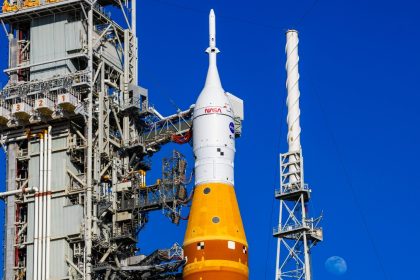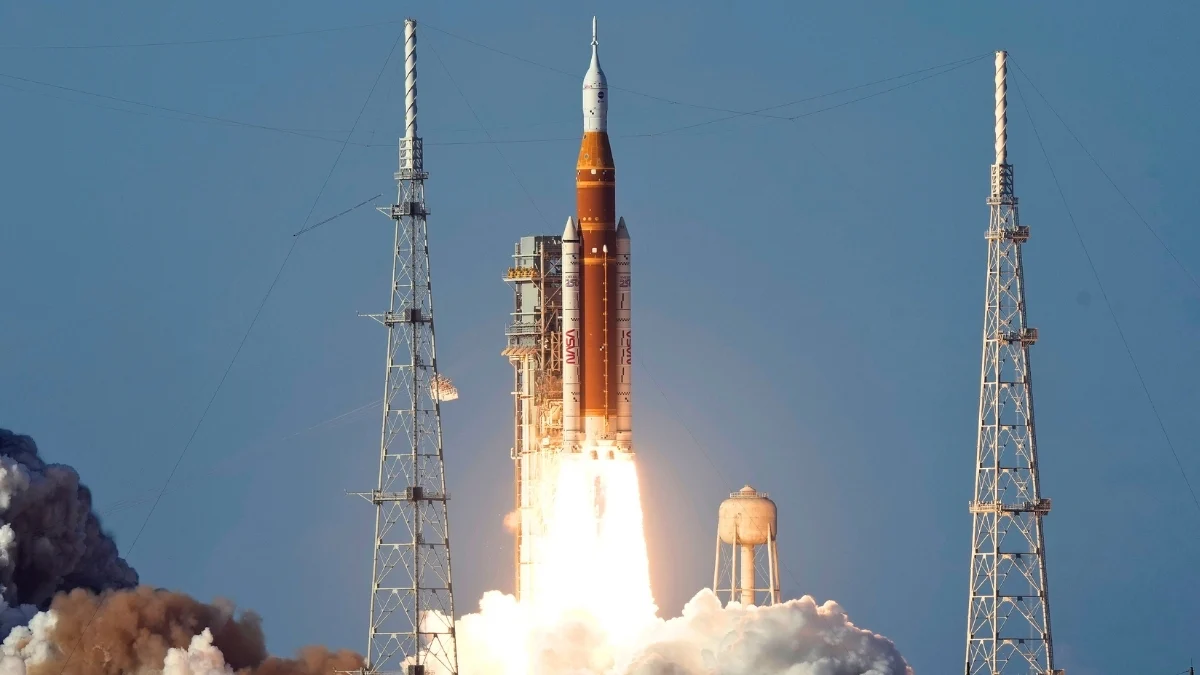
Liftoff confirmed! Humanity has once again etched its name in the annals of space exploration, with astronauts embarking on a journey to the Moon for the first time in over half a century.
A triumphant ascent was accomplished on Wednesday, April 1, 2026, at 22:35 UTC (6:35 pm EDT) from NASA’s Kennedy Space Center in Florida, propelling individuals into the vastness of deep space, a feat not achieved since the iconic Apollo era.
“Our motivation stems from our families,” articulated mission pilot Victor Glover.
“We are committed to our fellow teammates,” stated mission specialist Christina Koch.
“Our endeavor is dedicated to all of humankind,” affirmed mission specialist Jeremy Hansen.
The quartet comprising the Artemis II mission crew has officially commenced an orbital expedition of approximately 10 days, destined to circumnavigate the Moon before returning to Earth.
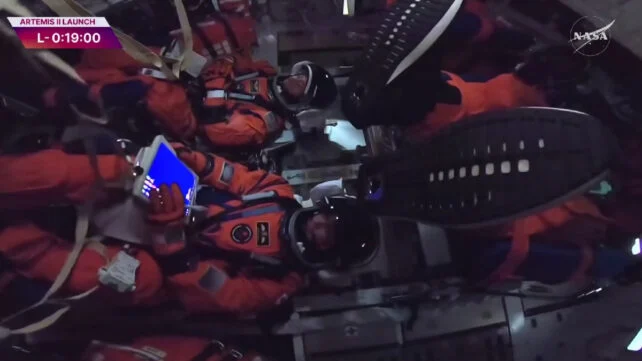
This voyage is anticipated to carry humanity to uncharted distances from our home planet, surpassing the record established by the Apollo 13 crew in 1970.
Upon achieving Earth orbit, where a period of roughly 23.5 hours will be dedicated to system diagnostics and acclimatization, the crew reported, “We are witnessing a magnificent moonrise. Our trajectory is directly aimed at it.” This preparatory phase precedes their onward trajectory toward the Moon.

The Artemis II endeavor signifies the inaugural human return to lunar proximity since the conclusion of the Apollo program in 1972, representing a pivotal step towards future lunar surface exploration.
“Fifty-three years elapsed since humanity’s departure from the Moon without a subsequent return. Now, we are returning,” remarked NASA associate administrator Amit Kshatriya during a pre-launch press briefing.
“The successful navigation of this frontier expansion will be achieved by the skilled artisans, the ingenious engineers, and the industrial prowess of free nations, collaborating to construct what no single nation could accomplish alone. And to all the young individuals observing, we want you to understand this: an optimistic outlook on the future is not an act of naiveté; it is an achievable reality.”
The launch event is available for viewing via the embedded YouTube player below:
Artemis II is currently conveying mission commander Reid Wiseman, pilot Victor Glover, and mission specialists Christina Koch and Jeremy Hansen on a decadal lunar circuit aboard the Orion spacecraft.
This mission marks the first instance of a crew venturing beyond low Earth orbit since the Apollo missions.
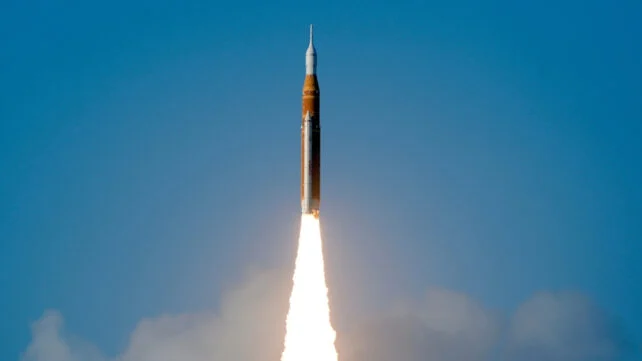
This trial flight represents the maiden crewed launch utilizing NASA’s Space Launch System (SLS) rocket and the Orion module.
The paramount objective of this mission is to evaluate the performance of the Orion spacecraft under authentic operational conditions, encompassing its life support, navigational, and communication systems—essentially serving as a preparatory exercise for subsequent lunar landing endeavors.
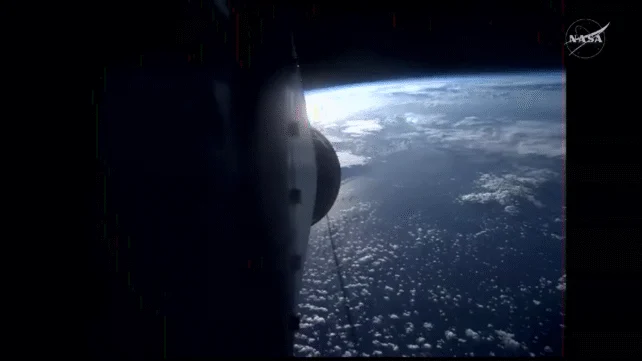
Artemis I, the inaugural mission of this program, served as an uncrewed trial run designed to identify and rectify as many anomalies as possible before the integration of human occupants into the spacecraft, meticulously laying the groundwork for humanity’s return to the Moon.
Artemis II, the subsequent foundational step, encountered some scheduling adjustments; its initial February launch target was deferred due to a cryogenic liquid hydrogen leak, and further delays were incurred because of an issue with helium flow.
During the mission, specifically as the Orion spacecraft traverses the far side of the Moon on April 6th, the crew is expected to achieve a distance from Earth unprecedented in human history, surpassing the record of 400,171 kilometers (248,655 miles) set by Apollo 13.
NASA has established a livestream, embedded herein, enabling the observation of the views from the Orion spacecraft as it embarks on its momentous lunar circuit, contingent on available bandwidth.
“This presents a singular opportunity… to propel our crewter than any humans have ventured before,” stated chief flight director Emily Nelson in the period leading up to the launch.
Beyond validating the spacecraft’s capabilities, this mission will yield invaluable insights into astronaut performance in prolonged deep-space environments, including the challenges posed by communication latency and navigation far removed from the low Earth orbit occupied by the International Space Station.
The subsequent phase, Artemis III, is currently slated for 2027. This mission will operate in closer proximity to Earth, deploying a crew aboard the Orion module atop the SLS rocket into low Earth orbit to conduct tests of rendezvous and docking procedures with commercial spacecraft intended for future lunar surface operations.
The fourth component of this program, Artemis IV, is currently targeted for early 2028. NASA indicates that this mission will endeavor to achieve a crewed landing near the Moon’s south polar region, where astronauts will undertake scientific investigations and gather lunar samples.
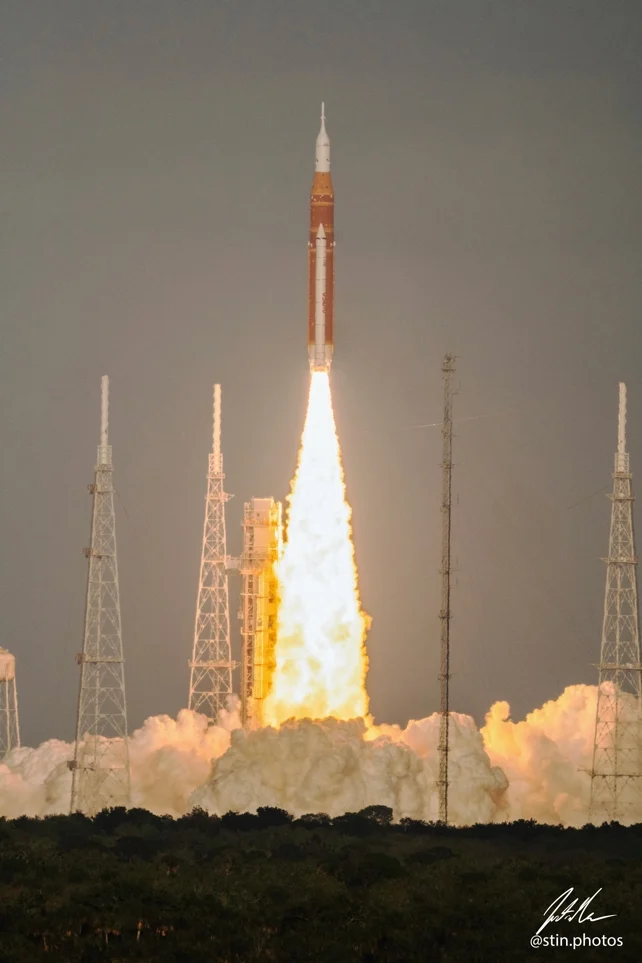
The success of these future undertakings is contingent upon Artemis II, a new demonstration of the capacity to transport humans to the Moon and ensure their safe return.
“This is a profoundly significant moment for the Artemis generation, and we are both elated and fully prepared to move forward,” Nelson added.