Lingering taste deficits have been observed in certain individuals long after SARS-CoV-2 infection has resolved. Investigations undertaken by researchers affiliated with the Swedish University of Agricultural Sciences, Uppsala University, and the University of Colorado have now elucidated that this phenomenon may stem from a disruption affecting the taste receptor cells responsible for discerning sweet, bitter, or umami sensations.
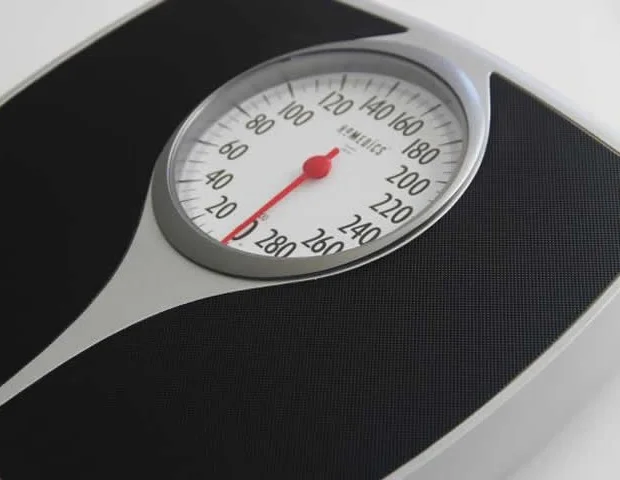
Among the five primary human sensory modalities, taste is arguably the most overlooked, potentially due to its infrequent impairment. Nevertheless, the sense of taste holds considerable importance; an unpalatable substance is unlikely to be consumed, and chronic taste alteration can precipitate weight loss and compromise overall health.
Historically, the gustatory perception of most foodstuffs has been categorized into four fundamental qualities: saline, sour, sweet, and bitter, with a fifth, umami—often characterized by the flavor profile of Japanese miso soup—being recognized at the turn of the century. Scientific inquiry has substantiated the existence of distinct populations of taste cells within the lingual papillae that are specifically responsive to these five basic taste qualities.
In some instances, SARS-CoV-2, the virus responsible for COVID-19, can lead to the impairment or complete loss of one or more of these fundamental taste modalities. While this deficit is typically acute and transient for the majority of COVID-19 patients, persistent taste dysfunctions after the cessation of the infection are not uncommon.
This present study has identified a biological undergirding for this persistent taste loss within the taste cells, a finding achieved by a collaborative team from the Swedish University of Agricultural Sciences (SLU), Uppsala University, and institutions in the United States. The research was spearheaded by Göran Hellekant, a long-standing investigator of mammalian taste perception affiliated with SLU and the University of Wisconsin-Madison. The researchers sought to comprehend how the viral infection impacts the capacity of taste cells to transmit neural signals and to account for the diminished perception of sweet, bitter, and umami tastes.
Distinct Individual Manifestations
”
We enlisted 28 participants who had tested positive for SARS-CoV-2, did not require hospitalization, and reported persistent taste disturbances extending beyond 12 months. Consequently, all could be classified as experiencing post-COVID sequelae
,” stated Göran Laurell of Uppsala University, who oversaw the participant recruitment process.
To objectively quantify the affected taste modalities and establish a numerical measure of the degree of taste impairment for each quality, the researchers employed a commercially available taste assessment kit (WETT). This instrument confirmed that all participants, save for one individual, exhibited some form of gustatory anomaly.
Primary Impact on Cells Mediating Sweet, Bitter, and Umami Perception
The subsequent phase involved an in-depth examination of the lingual papillae. Twenty of the enrolled subjects generously consented to undergo procedures for the collection of tissue samples (biopsies of 5-8 fungiform papillae) from the anterior portion of the tongue. Fungiform papillae are discernible as small protuberances on the dorsal surface and lateral edges of the tongue.
”
Upon microscopic scrutiny of the papillae, we observed minimal structural degradation or compromise to the neural architecture of the taste buds
,” commented Tom Finger from the University of Colorado, who conducted the histological analysis. ”
Both the papillae and the associated nerves appeared largely unremarkable.
”
Conversely, molecular genetic analyses performed on the diverse types of taste receptor cells revealed the underlying mechanisms of gustatory impairment. The biological anomaly was intrinsically linked to the perception of sweet, bitter, and umami tastes—precisely those modalities identified as compromised in the participants by the WETT assay. This investigation marks the inaugural instance of correlating individuals’ subjective taste experiences, objective testing outcomes, and the underlying biological cause.
”
We were able to correlate a diminished capacity to discern sweet, bitter, and umami flavors with reduced levels of messenger RNA (mRNA) encoding a protein known as PLCβ2 in specific taste cell populations
,” explained SLU researcher Göran Andersson, who led the molecular genetic analyses. ”
PLCβ2 plays a critical role in signal amplification from these taste cells to the gustatory nerves, which subsequently relay information as electrical impulses to the brain’s taste processing centers, thereby generating the sensations of sweetness, bitterness, and umami. These impulses are initiated by transient influxes of sodium into the nerves and potassium efflux from the nerve fibers.
”
In essence, the protracted loss of the ability to perceive sweet, bitter, and umami tastes following COVID-19 infection can be attributed to alterations within specialized cells in the taste buds. These particular cells are instrumental in initiating the neural signals directed to specific cerebral regions responsible for the generation of sweet, bitter, and umami taste perceptions.
Morad, H., et al. (2026). Taste dysfunction in Long COVID. Chemical Senses. DOI: 10.1093/chemse/bjaf068.
https://academic.oup.com/chemse/article/doi/10.1093/chemse/bjaf068/8444736