
The widespread adoption of hydrogen as a primary energy carrier for global transportation infrastructure and power generation systems holds the potential to significantly diminish the volume of carbon dioxide presently being released into the atmosphere.
The foremost challenge lies in securing an adequate supply of this vital element.
It is precisely for this reason that researchers are expressing considerable enthusiasm regarding a subterranean reservoir located beneath the Kidd Creek mine in Ontario, Canada, where naturally occurring hydrogen gas has been observed emanating from boreholes over an extended period.
A recent, comprehensive scientific investigation has, for the initial time, provided a detailed assessment of the actual magnitude of this substantial reserve.
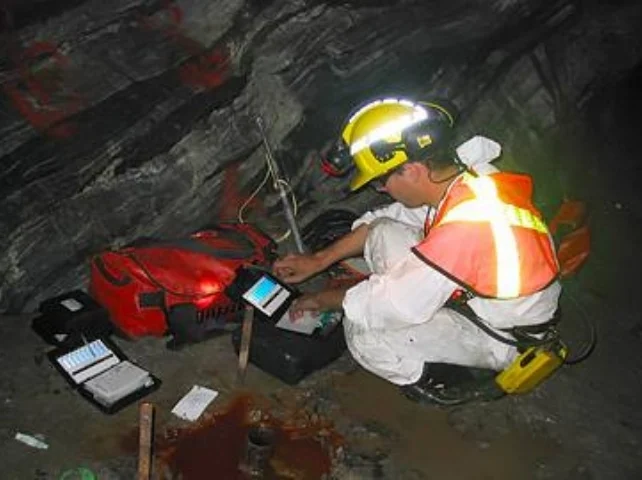
Geoscientists Barbara Sherwood Lollar, affiliated with the University of Toronto, and Oliver Warr from the University of Ottawa, meticulously collected samples from 35 boreholes in the vicinity of the mine, extending to a subsurface depth of 2.9 kilometers (approximately 1.8 miles).
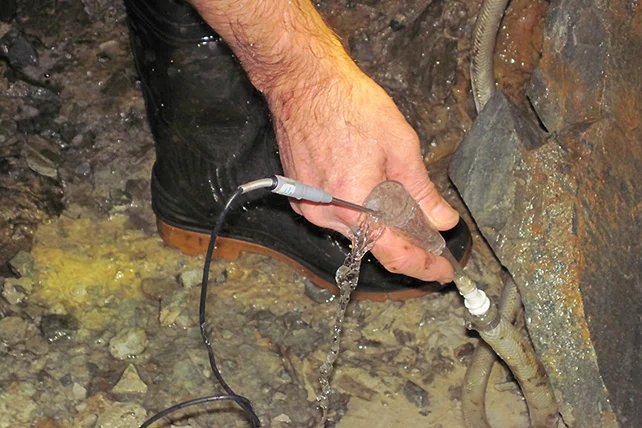
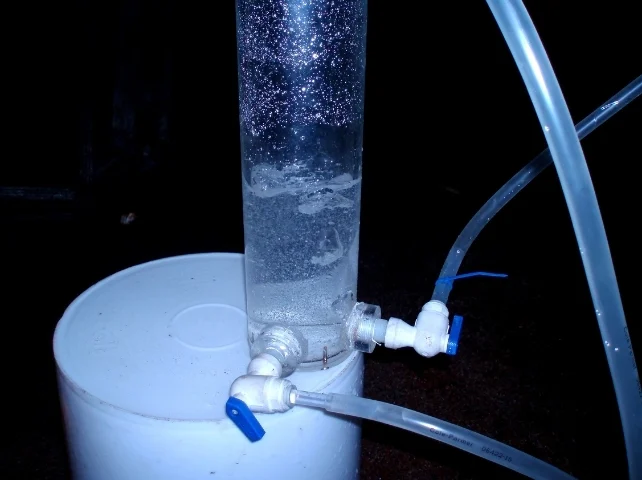
Both the concentration of hydrogen gas and its rate of emission were systematically recorded, with data collection spanning as long as 11 years in certain sampled sections.
Upon rigorous analysis of the collected data, the research team projects that this resource could yield an annual energy output equivalent to 4.7 million kilowatt-hours. This volume is sufficient to satisfy the energy requirements of approximately 400 average households for a full year.
This substantial energy contribution would offset the necessity for sourcing energy from alternative, potentially less sustainable origins.
“The empirical evidence derived from this investigation indicates the existence of significant untapped potential for accessing a domestically sourced, economically viable energy commodity generated from the geological formations beneath our feet,” stated Sherwood Lollar.
“Furthermore, this discovery presents a ‘made in Canada’ resource that could potentially bolster local and regional industrial centers, thereby diminishing their reliance on imported fossil fuel-based energy carriers.”
While hydrogen combustion as a fuel generates no harmful emissions, producing pure hydrogen is an intricate and energy-intensive process that frequently consumes substantial quantities of fossil fuels, thereby compromising its perceived status as a purely green energy solution.
The advent of naturally occurring, or ‘white’, hydrogen sources presents an ideal scenario, as it could mitigate some production expenses if extraction proves to be economically feasible. However, the overall abundance of such natural hydrogen deposits remains largely undetermined.
This element can be synthesized through a series of chemical reactions occurring within subterranean rock strata and the interstitial groundwater they contain. The presence of hydrogen beneath the Kidd Creek mine has been a known phenomenon for a considerable duration.
What has now been definitively established is the precise rate of hydrogen generation from this location and the fact that this output remains consistent over time. For the sustained operation of energy production networks, any hydrogen deposits that are exploited must demonstrate long-term viability.
As an additional advantage, the geological formations and conditions conducive to hydrogen production are also areas where highly valuable mineral deposits are found. The potential to tap into hydrogen reserves within already operational mining sites represents a significant synergistic benefit.
“Natural hydrogen is generated within the same geological formations that host Canada’s nickel, copper, and diamond reserves, and which are currently undergoing exploration for critical minerals such as lithium, helium, chromium, and cobalt,” commented Warr.
“The concurrent presence of mineral resources and hydrogen production capabilities simplifies logistics, reducing the necessity for extensive transportation to market, specialized hydrogen storage solutions, and the development of substantial hydrogen infrastructure.”
Up to this point, white hydrogen has predominantly been disregarded, primarily of interest to microbiologists investigating subterranean ecosystems and the unique microbes that thrive within them – organisms that depend on hydrogen for their metabolic processes.
This recent scientific endeavor suggests not only the existence of abundant natural hydrogen reservoirs but also their potential to serve as a viable local or regional energy source in geographical areas characterized by suitable geological conditions and existing infrastructure.
“There is a global endeavor to increase hydrogen availability to facilitate decarbonization efforts and reduce the operational costs associated with the existing hydrogen economy,” observed Sherwood Lollar.
“We now possess a more refined comprehension of the economic feasibility of this resource, which can be extrapolated to identify known and yet-to-be-discovered hydrogen deposits worldwide.”