An international consortium of researchers has pinpointed a frequently overlooked class of biological entities – biofilms – as a pivotal determinant for the progression of human endeavors in space exploration.
Dr. Madhan Tirumalai, a microbiologist affiliated with the University of Houston, is an integral member of NASA’s Analysis Working Groups (AWG) and a contributing author to a significant review article that was published on January 22nd within the esteemed journal, npj Biofilms and Microbiomes. Within this collective, a specialized subgroup dedicated to microorganisms is currently investigating the dual nature of biofilms, which are essentially adhesive matrices secreted by microorganisms. These biofilms present potential hazards to the well-being of astronauts, while concurrently offering potent mechanisms to sustain life beyond terrestrial confines.
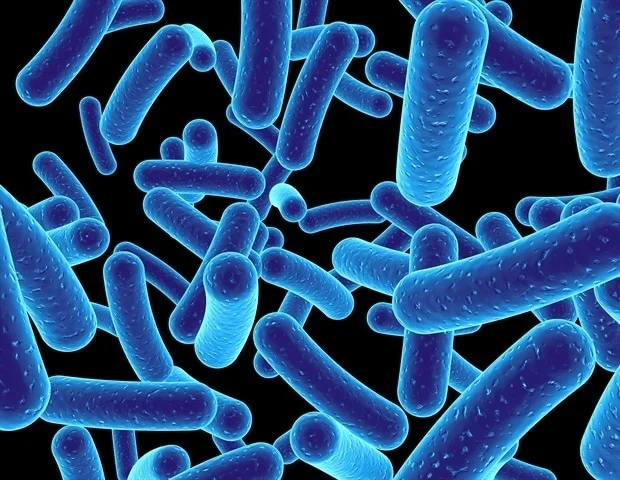
Biofilms are characterized as organized aggregations of microorganisms, encompassing both bacteria and fungi, which coexist within structures often characterized by investigators as ‘microbial metropolises.’ In these complex consortia, the constituent microbes engage in resource sharing, sophisticated chemical communication, and the establishment of protective mechanisms against environmental adversions.
Individuals undertaking missions aboard the International Space Station encounter an array of physiological challenges, including altered gravitational forces, elevated levels of radiation, and modifications to their immune system responses. These factors collectively impose considerable strain on the human organism. Nevertheless, a paucity of comprehensive research has delved into the specific impact of spaceflight on the body’s endogenous microbial populations and the subsequent formation of the biofilms they generate.
To bridge this knowledge deficit, the research contingent drew upon NASA’s Open Science Data Repository, a repository that hosts an extensive compilation of genomic and biological data derived from prior spaceflight experiments.
“What precisely are the repercussions of spaceflight parameters on microbial communities and their inherent propensity for biofilm formation?” inquired Tirumalai, who also holds the position of research professor within the Department of Biology and Biochemistry at the University of Houston. “The elucidation of these knowledge gaps is of paramount importance, as their timely resolution is indispensable for the realization of our aspirations for human spaceflight and for venturing into the uncharted territories of the cosmos.”
The Pervasive Presence of Biofilms in Human Existence
The prevalence of biofilms is by no means exclusive to extraterrestrial environments. They are ubiquitous throughout the natural world and fulfill critical functions in human physiology, as elucidated by Dr. Katherine Baxter, the lead author of the study and a research scientist at the University of Glasgow in Scotland. Illustrative examples of commonly encountered biofilms encompass dental plaque, the whitish film observed on the surface of the tongue, microbial accumulations within water distribution systems, and the biofilms that adhere to the surfaces of medical implements such as urinary catheters.
“Biofilms are integral to the perpetuation of life on Earth; consequently, it is logical to infer their fundamental importance for life in space as well,” Baxter affirmed.
Within the context of spaceflight, biofilms have the potential to confer enhanced resistance to therapeutic interventions upon microorganisms. Prior investigations conducted by Tirumalai have indicated that genes associated with biofilm genesis can undergo mutational changes or adaptive modifications when subjected to extraterrestrial conditions, potentially augmenting the microorganisms’ capability to construct these protective communal structures. Furthermore, biofilms exhibit direct correlations with the phenomenon of antibiotic resistance, a challenge that constitutes a significant global concern in its own right.
However, it is crucial to recognize that biofilms are not solely a latent threat; they also hold promise as invaluable assets for extended duration missions. The insights gleaned from the team’s findings could furnish a foundational framework for the advancement of biofilm-centric technologies tailored for spaceflight. These may encompass therapeutic modalities designed to recalibrate microbial equilibrium, sophisticated drug delivery mechanisms, and novel agents to enhance plant cultivation for extraterrestrial agriculture.
The recommendations articulated in this publication are grounded in technologies that are currently undergoing development. This is not merely a speculative exercise; these advancements are actively in progress.”
Katherine Baxter, lead author
In the autumn of 2025, Tirumalai also published research that explored the survival strategies of bacteria within spacecraft assembly cleanrooms, environments meticulously engineered to minimize microbial contamination. For Tirumalai, an insatiable curiosity regarding the unknown remains the primary impetus behind his scientific endeavors.
“Humankind has evolved in tandem with microorganisms for millennia; these microscopic entities inhabit our skin, and our existence has been intrinsically linked with theirs,” Tirumalai stated. “If we are to embark on the exploration of the cosmos, it is imperative that we comprehend how microbial life responds to the unique conditions of space. A profound and fundamental understanding of these interactions is an absolute prerequisite for our successful ventures beyond Earth.”
Baxter, K. J., et al. (2026). Biofilms: from the cradle of life to life support. npj Biofilms and Microbiomes. DOI: 10.1038/s41522-025-00875-8. https://www.nature.com/articles/s41522-025-00875-8