A recent small-scale clinical investigation conducted by researchers at The Ohio State University has revealed that a specific tomato juice formulation, notably rich in lycopene and soy isoflavones, led to a reduction in several key proteins associated with chronic inflammation, thereby fostering optimism for the development of therapeutic strategies centered around dietary interventions.
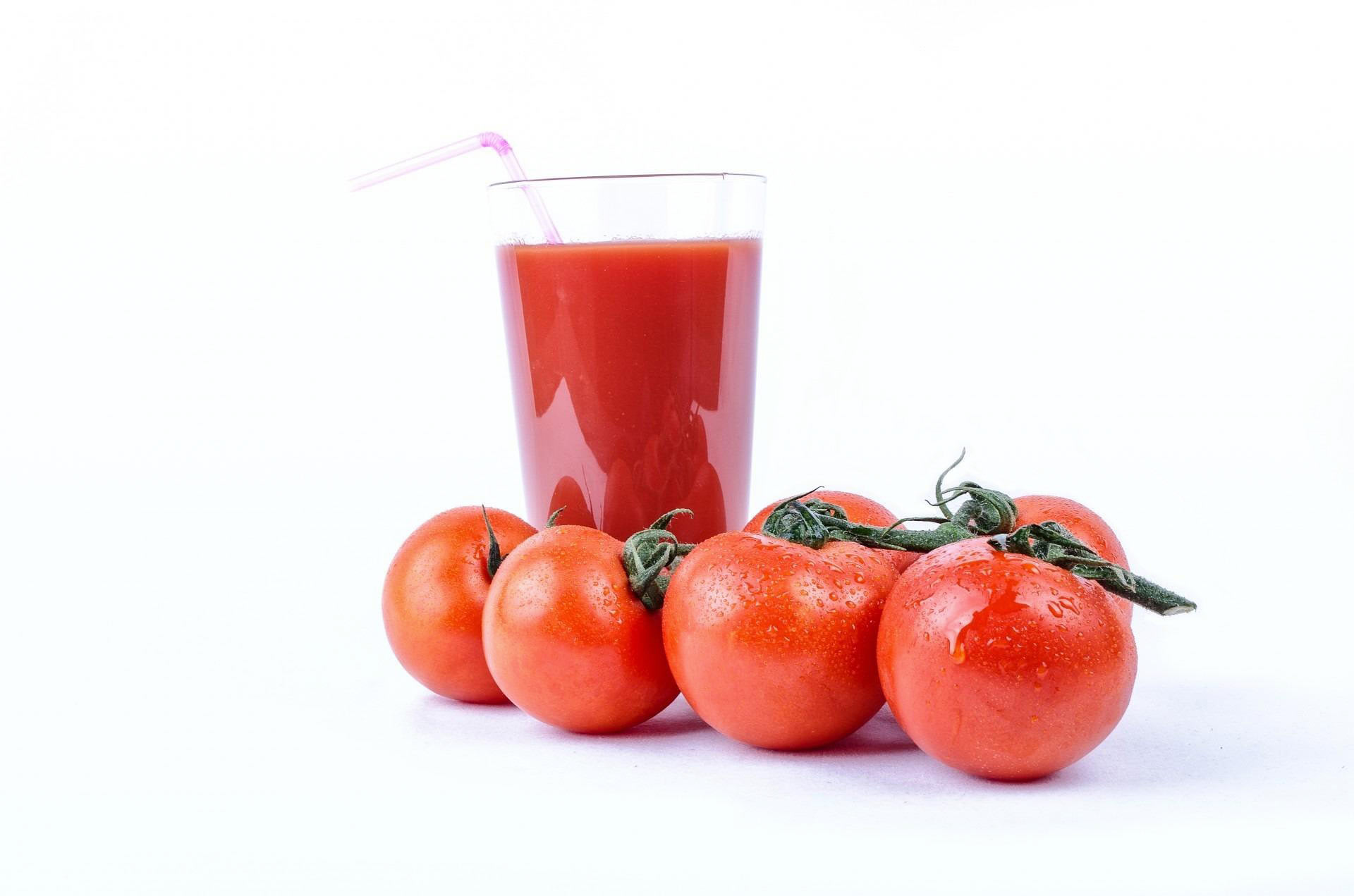
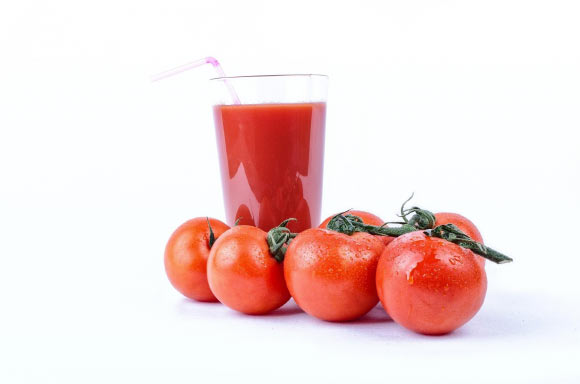
Tomato-soy juice contains high levels of lycopene and soy isoflavones.
“The overarching concept we are exploring is whether food-based interventions can be employed to influence inflammatory responses,” stated Dr. Jessica Cooperstone, a researcher affiliated with The Ohio State University.
“Furthermore, can we rigorously assess these interventions to ascertain their direct impact on inflammation, rather than making generalized claims about anti-inflammatory properties?”
Lycopene is a type of carotenoid pigment responsible for the vibrant hues in tomatoes and other vegetables, while soy isoflavones are a class of flavonoids that possess the ability to mimic the effects of the hormone estrogen. Both are naturally occurring plant compounds, or phytochemicals, that contribute to plant vitality.
Historically, building upon studies that indicated a correlation between diets abundant in either tomato products or soy and a diminished risk of prostate cancer, the research team formulated a beverage. This drink was crafted from tomatoes with a high lycopene content and further fortified with an extract of soy isoflavones.
Subsequent investigations observed a link between increased consumption of this beverage and lower levels of prostate-specific antigen in certain individuals diagnosed with prostate cancer. Additionally, separate research efforts have suggested that tomatoes and soy, whether consumed individually or in combination, can exert an influence on metabolic and inflammatory pathways implicated in obesity and other chronic ailments.
“The cumulative evidence suggesting that compounds derived from tomatoes and soy might play a role in modulating inflammation was sufficiently compelling to prompt us to conduct human trials,” Dr. Cooperstone remarked.
In the recently concluded study, twelve healthy adults diagnosed with obesity participated. They were instructed to consume two 6-ounce (177-ml) servings of the tomato-soy juice daily for a duration of four weeks. Following this intervention period, a washout phase was implemented, after which they proceeded to consume a control tomato juice, characterized by its low carotenoid content, for another four-week interval.
“Our underlying premise is that the observed effects are attributable to the lycopene from the tomatoes and the isoflavones from the soy. Consequently, we deliberately avoided using a control beverage composed solely of water,” Dr. Cooperstone explained.
Blood samples were collected from the participants both before and after each four-week experimental phase. These samples were analyzed to quantify cytokine levels – specifically, pro-inflammatory proteins synthesized by the immune system.
A significant decrease in three specific cytokines, namely interleukin (IL)-5, IL-12p70, and granulocyte-macrophage colony-stimulating factor (GM-CSF), was exclusively observed following the consumption of the tomato-soy juice. Furthermore, a marginal, though not statistically significant, downward trend was noted in tumor necrosis factor alpha (TNF-a).
In parallel, the researchers examined urine samples collected from participants before and after each intervention period. This analysis aimed to detect alterations in metabolites, which are the molecular byproducts generated during biochemical reactions involved in nutrient breakdown for energy production and other vital bodily functions.
The analytical outcomes indicated that both the tomato-soy juice and the control tomato juice elicited certain comparable modifications in the participants’ metabolite profiles. This suggests that some of the effects attributed to tomatoes were observable even in the absence of lycopene concentration.
Distinctive shifts in soy isoflavone metabolites were particularly prominent among the changes induced by the tomato-soy juice.
While further detailed investigation is clearly warranted, these observed alterations provide supplementary evidence that this dietary intervention is indeed impacting human physiology.
“It is highly probable that the observed effects stem from the fact that our intervention agents encompass more than just these two specific compounds,” Dr. Cooperstone elaborated.
“Ultimately, our objective is to achieve a more profound comprehension of the intricate relationship between the foods we consume and our overall health.”
“And to establish definitive conclusions, rigorous testing through clinical trials is indispensable. This is precisely the purpose of our current research.”
The scientific team also uncovered evidence from an animal model demonstrating that the soy-tomato juice possesses the capacity to mitigate inflammation and reduce the severity of chronic pancreatitis. This animal data lends support to the hypothesis being tested in the current clinical trial, suggesting that this intervention could potentially enhance outcomes for individuals suffering from pancreatitis.
“Therapeutic management for patients diagnosed with pancreatitis is primarily palliative, focusing on symptom control, particularly pain and gastrointestinal disturbances,” Dr. Cooperstone commented.
“Our conjecture is that the tomato-soy juice could function as an intervention aimed at reducing inflammation, thereby potentially improving the quality of life for these patients.”
The research findings have been published in the scientific journal Molecular Nutrition & Food Research, accessible via the following link: results.
_____
Maria J. Sholola et al. 2026. Tomato-Soy Juice Reduces Inflammation and Modulates the Urinary Metabolome in Adults with Obesity. Molecular Nutrition & Food Research 70 (5): e70420; doi: 10.1002/mnfr.70420