Precise measurements meticulously gathered within the bustling urban landscape of Tel Aviv, Israel, have elucidated the intricate relationship between the diurnal and weekly traffic patterns and the fluctuations in the electrical field emanating from Earth’s atmosphere.
At the forefront of this investigation, a team of scientists affiliated with The Hebrew University of Jerusalem in Israel strategically deployed an electric field mill. This instrument was situated in the city of Holon during 2024, and its readings were meticulously correlated with comprehensive air quality data over a seven-month period. To ensure the integrity of the findings, only data collected on days with fair weather conditions were included, thereby mitigating any potential interference from precipitation or severe weather phenomena.
A spectrum of specific atmospheric contaminants was continuously monitored. This included gaseous emissions and particulate matter originating from vehicular exhaust and tire abrasion, alongside supplementary compounds generated through chemical reactions with ambient atmospheric gases.
“Through a synchronized analytical approach incorporating local air quality and meteorological records, we investigated the influence of fine particulate matter (PM2.5) and nitrogen oxides (NOx) – two principal urban pollutants – on the Potential Gradient (PG). This metric serves as an indicator of the atmospheric electric field in proximity to the Earth’s surface,” elucidate the researchers in their scholarly publication.
The atmospheric electric field is intrinsically linked to natural disparities in electrical charge between the planet’s surface and its upper atmosphere, a phenomenon largely sustained by the dynamic circulation of electrical currents that originate within thunderstorms.
A myriad of elements contribute to the modulation of this global electrical circuit, encompassing variations in localized weather conditions and the pervasive presence of air pollution. While such phenomena had been quantified in various global locales, other regions, notably the western Mediterranean, had not yet undergone detailed scrutiny.
The compiled data definitively demonstrated that the air pollution induced by vehicular traffic in Tel Aviv exerts an immediate influence on the atmospheric electric field within the region. This effect was observed concurrently with peak levels of both NOx gases and traffic congestion, which coincide precisely with the morning and evening rush hours that mark the commencement and conclusion of the workday.
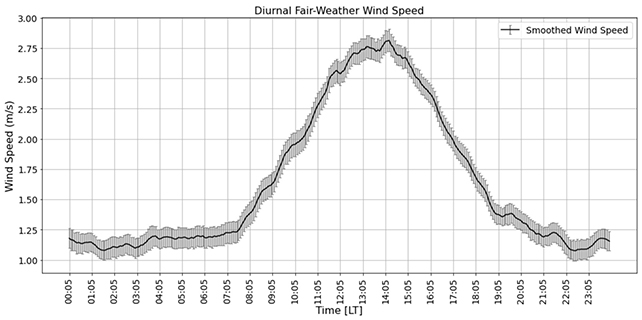
Furthermore, a discernible correlation was identified between PM2.5 particles and the electric field, although this association exhibited a temporal lag of approximately two and a half hours. The researchers attribute this delay to variations in particle size, chemical composition, and their respective atmospheric lifespans.
The research team also documented a notable “weekend effect,” wherein significant reductions in traffic-related pollution were accompanied by a discernible attenuation of the electrical field’s strength. This observation provides further corroboration of the intrinsic link between these two factors.
“Our findings reveal a direct physical nexus between the surges in emissions and variations in electrical activity,” states geoscientist Roy Yaniv from The Hebrew University of Jerusalem.
“Nitrogen oxides diminish atmospheric conductivity with remarkable rapidity, thus permitting the electric field to respond almost instantaneously during periods of intense vehicular traffic.”
Prior investigations have substantiated how urban atmospheric contaminants can disrupt the ambient electric field. This latest research furnishes robust empirical evidence regarding the discernible impact of vehicular emissions on this phenomenon.
The underlying mechanism driving this observed effect lies with atmospheric ions, which are charged particles suspended in the air. Pollutants can effectively sequester these ions, thereby diminishing the conductivity of the atmospheric electric field. This reduction, in turn, precipitates a compensatory response, leading to an augmentation of the electric field’s strength.
It is important to note that these observed variations do not pose any inherent danger. The atmospheric electric field itself is not hazardous, and the magnitude of these shifts in electrical potential is relatively minor. These fluctuations are insufficient to disrupt meteorological systems or interfere with electronic devices or similar apparatus.
Perhaps the most significant implication of this research is the potential utility of electric field measurements as a valuable tool for monitoring urban air quality. This could provide enhanced data on the extent to which traffic-generated pollutants pose a threat to public health.
“These findings contribute significantly to our comprehension of the intricate interplay between urban air pollution and the localized electric field. They underscore the critical importance of incorporating air quality data into atmospheric electricity studies, particularly in densely populated areas where anthropogenic impacts are pronounced, with direct consequences for public health,” conclude the researchers.