Europe has documented its inaugural instance of human contraction involving the H9N2 influenza virus, commonly recognized as avian flu. On March 25, 2026, Italy’s Ministry of Health officially recorded a human infection.
From my perspective as an influenza virologist, I can elucidate the implications of this development and articulate why it does not, at this juncture, elicit significant apprehension.
Details Pertaining to This Specific Case
The individual contracted the virus prior to arriving in Europe and subsequently journeyed to the Lombardy region in northern Italy. Guido Bertolaso, Lombardy’s welfare councillor, has indicated that the patient is a young male with pre-existing health conditions, whose diagnosis was confirmed upon his return from a trip to Africa.
Fortunately, the infection has not precipitated severe illness, and the patient has been admitted to San Gerardo hospital in Monza, where he is undergoing isolation. Italian public health authorities confirmed the H9N2 influenza virus infection through laboratory analyses that identified the virus’s genetic material.
Understanding the H9N2 Influenza Virus
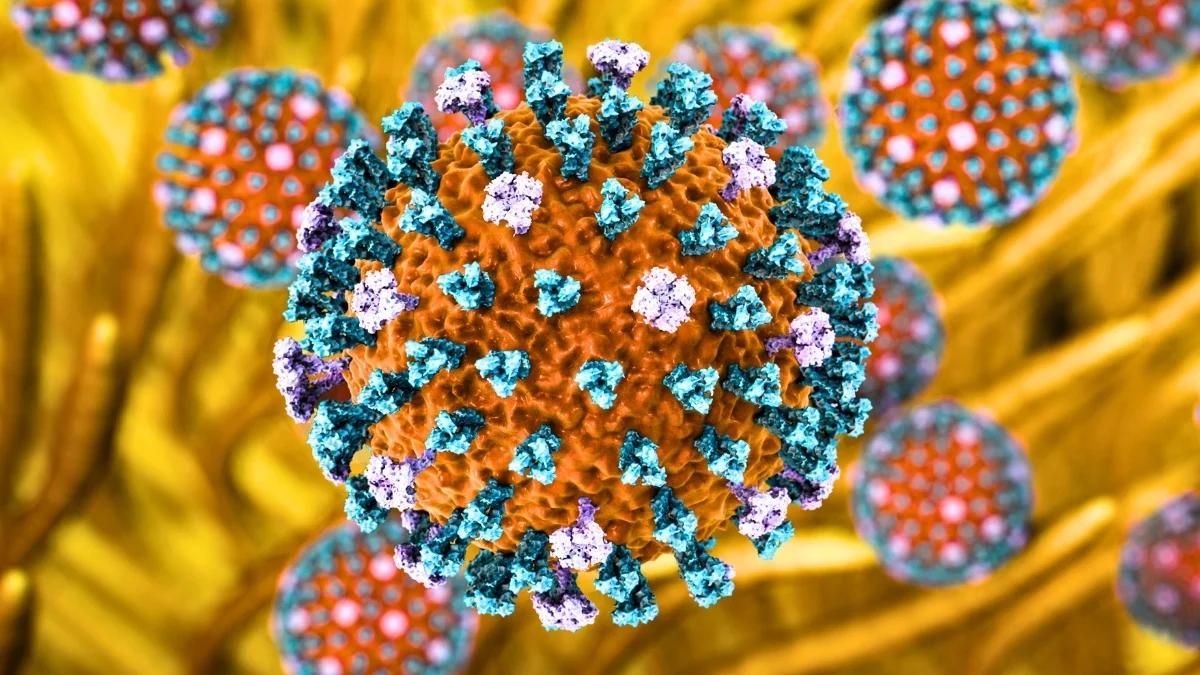
H9N2 viruses belong to the influenza A virus family. This extensive viral group encompasses two agents responsible for human seasonal influenza (H1N1 and H3N2), along with numerous other viruses that infect avian species.
H9N2 influenza viruses are categorized as “low pathogenicity avian influenza viruses.” The term “low pathogenicity” refers to their limited capacity to induce disease in poultry—avian influenza poses a substantial risk to the poultry industry—while it is uncommon for H9N2 to cause more than mild symptoms in humans.
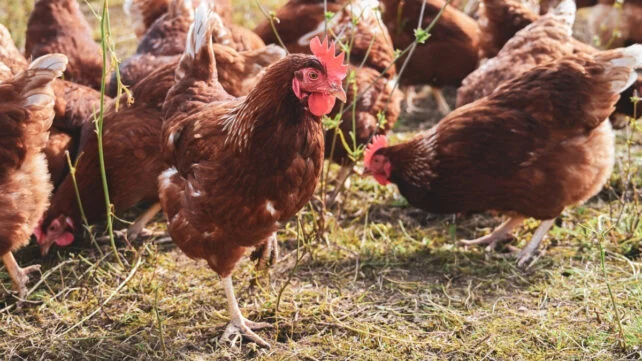
H9N2 exhibits poor adaptation for infecting humans, and when such transmission does occur, it is generally through direct interaction with poultry in environments heavily contaminated with the virus.
Despite this being the inaugural human case in Europe, hundreds of H9N2 human infections have been documented previously, predominantly in China, but also in various other nations across Asia and Africa.
Assessing the Risk to the Human Population
It is hoped that the infected patient experiences a full recovery. At present, the broader risk to humanity remains exceedingly low.
The rationale behind this assessment is multifaceted. Virologists scrutinize several key factors when evaluating the likelihood of an isolated human infection with an animal virus escalating into a widespread concern, potentially leading to a pandemic—a scenario that avian influenza viruses have precipitated on multiple occasions historically. This particular H9N2 case currently exhibits none of the indicators associated with such a risk.
It is understood that this specific strain of influenza virus would require genetic alterations to become sufficiently adept at replicating within human hosts.
As a precautionary measure, Italian public health authorities have undertaken contact tracing for the patient to ascertain whether any secondary transmission has occurred. Currently, the probability of this event progressing further appears highly improbable.
Nevertheless, a broader context warrants consideration. Numerous influenza viruses exist that are considerably more virulent than H9N2.
Of particular concern is the ongoing global proliferation of H5N1 avian influenza viruses. These are highly pathogenic and have demonstrated a disturbing propensity to infect mammalian species.
While an isolated H9N2 influenza case in Europe may not represent a significant immediate threat, it serves as a salient reminder of the imperative to maintain vigilance in monitoring the unpredictable behavior of avian influenza viruses.