
While high-fat, low-carbohydrate ketogenic dietary approaches are often a subject of debate, recent murine research suggests they could indeed offer health benefits in specific circumstances, particularly when augmented by physical activity.
Investigators affiliated with various academic centers across the United States observed that laboratory mice experiencing elevated blood glucose levels (hyperglycemia) exhibited a normalization of their sugar metrics after adhering to a severely restrictive ketogenic regimen.
Furthermore, the integration of exercise following an eight-week dietary intervention appeared to amplify the positive outcomes. The rodents demonstrated enhanced aerobic capacity, measured by VO2peak – the body’s maximal oxygen utilization during strenuous activity – and their musculature became more resilient to fatigue and better oxygenated.
“Within a mere week of adopting the ketogenic diet, their blood glucose returned to baseline levels, as if they were entirely free from diabetic conditions,” commented physiologist Sarah Lessard, from Virginia Tech Carilion, in a statement.
“Prolonged adherence to this diet instigated a transformation in the mice’s muscle structure, fostering greater oxidative potential and improving their responsiveness to aerobic exertion.”
These findings serve to corroborate several prior investigations, which provided the impetus for the current study. A segment of the same research team had previously established that hyperglycemia impedes muscular adaptations to exercise and diminishes the gains in aerobic capacity experienced by exercising rodents.
Consequently, the researchers explored whether the ketogenic diet, which has been associated with improved glycemic regulation, could help counteract these observed decrements in exercise response.
However, this hypothesis was far from definitively established. The ketogenic diet derives its name from its mechanism of inducing ketosis – a metabolic state where the body metabolizes fat for energy instead of glucose – and its precise influence on exercise efficacy remained uncertain.
The research indicates that this dietary approach can effectively reverse both hyperglycemia and exercise-related inefficiencies, though with important qualifications: these effects have thus far only been documented in mice, and exercise enhancements were not observed in animals with normal blood sugar profiles.
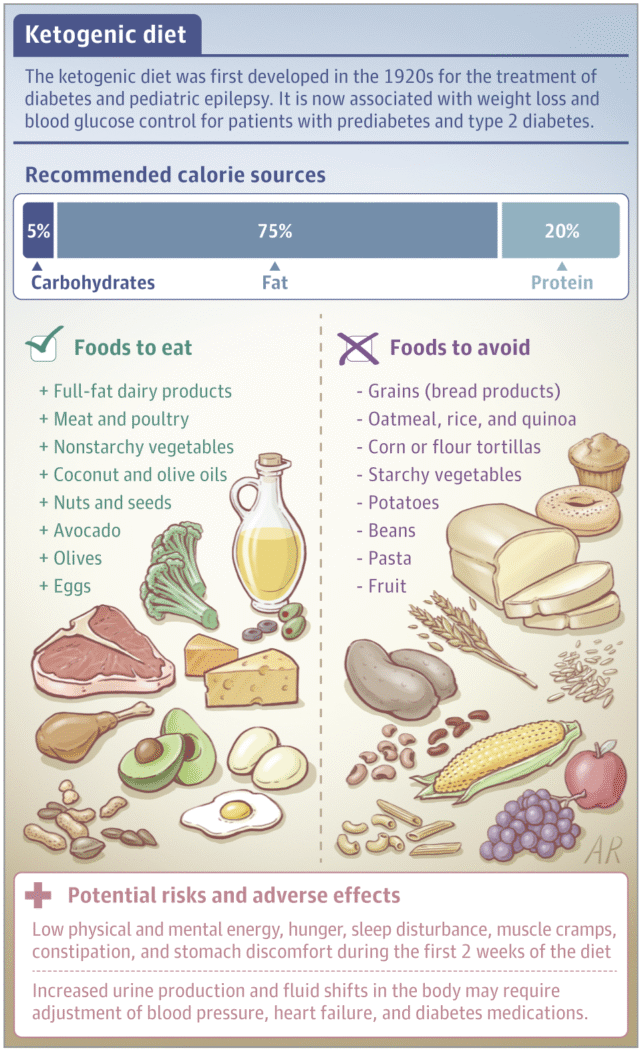
An additional complication arose as the mice whose VO2peak had been restored did not exhibit actual improvements in exercise performance, potentially attributable to a deficit in carbohydrate availability. When carbohydrates were reintroduced to the diets of these subjects, their performance did improve.
The scientific team was also able to scrutinize the vascular and muscular signaling pathways influenced by ketosis, suggesting that this metabolic state plays a dynamic rather than a static role in these physiological processes.
“Our current findings, alongside those from our preceding studies, highlight that dietary and exercise interventions do not operate in silos,” stated Lessard.
“There are numerous synergistic effects, enabling us to maximize exercise benefits by concurrently adopting a healthy dietary pattern.”
Previous research has demonstrated that for individuals diagnosed with diabetes, maintaining elevated aerobic capacity can mitigate the risk of subsequent health complications. The present study suggests an additional avenue for minimizing these risks.
For any individual managing elevated blood sugar, the implications suggest that alternative dietary and exercise strategies may be necessary to preserve overall health and aerobic function. This area warrants further investigation in future research endeavors.
Clinical trials involving human participants, rather than solely animal models, are already in the planning stages, which will yield more applicable data. While animal studies provide valuable insights, they do not always encapsulate the complete picture. For instance, the ketogenic diet administered to the animals in this investigation represented a highly stringent variant.
It is also crucial to avoid viewing this as a universal panacea applicable to all individuals. The researchers emphasize that the ketogenic diet is notoriously challenging to maintain long-term, and alternative dietary frameworks, such as the Mediterranean diet, might be more suitable for individuals aiming to reduce their blood sugar levels.
“Our prior research has shown that any strategy collaboratively devised with your healthcare provider to decrease blood sugar can be effective,” Lessard concluded.