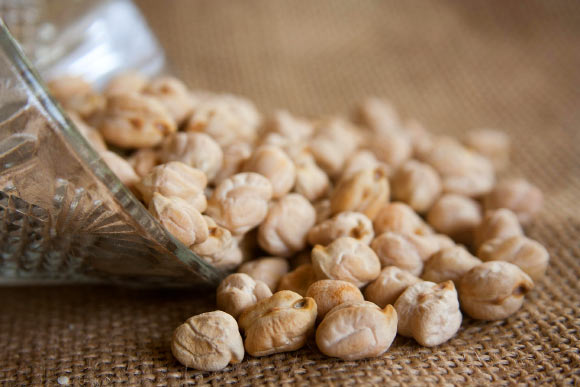
A comprehensive 12-week investigation involving 72 adults diagnosed with pre-diabetes has revealed that the regular consumption of either chickpeas or black beans leads to an improvement in inflammatory indicators, while the inclusion of chickpeas specifically contributes to the modulation of cholesterol levels in this demographic.
Individuals experiencing pre-diabetes frequently exhibit dysregulation in lipid metabolism alongside persistent low-grade inflammation, both of which are recognized as significant contributors to the pathogenesis of chronic conditions such as cardiovascular disease and type 2 diabetes, according to Morganne Smith, a doctoral candidate at the Illinois Institute of Technology.
“Our research indicated that the intake of beans facilitated a substantial reduction in cholesterol and a decrease in inflammation among participants with pre-diabetes, though no significant alterations were observed in glucose levels,” Smith stated.
Despite being widely consumed, black beans and chickpeas are often not subjected to extensive scientific scrutiny concerning their precise effects on cholesterol profiles and inflammatory markers, particularly within populations identified as being at elevated risk for heart disease or diabetes.
This recent study forms a component of a broader research initiative aimed at elucidating how the dietary incorporation of black beans and chickpeas influences inflammatory responses and insulin sensitivity through the modulation of gut microbial activity.
“While our findings specifically highlight the benefits of bean consumption for adults with pre-diabetes, these legumes represent an excellent dietary choice for the general population as well,” Smith elaborated.
“The insights derived from this research could serve as valuable information for the development of dietary recommendations, clinical practice guidelines, and public health initiatives focused on the prevention of both heart disease and diabetes.”
To ensure the findings’ applicability to real-world dietary habits, the researchers conducted the study under naturalistic, everyday living conditions for the participants.
Participants were randomly allocated into three groups, each tasked with consuming either 1 cup of black beans, 1 cup of chickpeas, or 1 cup of rice (serving as the control) daily for a duration of 12 weeks.
Biological samples were collected at the commencement of the study, at the six-week mark, and upon completion at 12 weeks, to meticulously monitor levels of cholesterol, inflammatory markers, and blood sugar. Additionally, assessments of glucose tolerance were performed both at the initiation and conclusion of the experimental period.
In the cohort that consumed chickpeas, a statistically significant reduction in total cholesterol was observed, decreasing from an average of 200.4 milligrams per deciliter at baseline to 185.8 milligrams per deciliter following the 12-week intervention.
For individuals in the black bean consumption group, the mean concentration of the pro-inflammatory cytokine interleukin-6, a key indicator of inflammation, decreased significantly from 2.57 picograms per milliliter at baseline to 1.88 picograms per milliliter after the 12-week period.
Consequently, no notable shifts were detected in the parameters related to glucose metabolism.
“Incorporating beans into one’s diet, whether in canned, dried, or frozen forms, and substituting them for less healthful food choices presents an excellent starting point for individuals aiming to increase their bean intake,” the research team advised.
“However, it is essential to be mindful of any added ingredients, such as sodium or sugars, depending on the specific product purchased.”
“The versatility of beans allows for numerous applications in a regular diet, offering a cost-effective strategy to promote overall well-being and mitigate the risk of developing chronic illnesses,” Smith concluded.
“These nutrient-dense legumes can be puréed to thicken the consistency of soups, scattered as a nutritious salad topping, or served as a complementary accompaniment to staple grains like rice or quinoa.”
The investigators formally presented their findings on June 3rd at NUTRITION 2025, the premier annual conference hosted by the American Society for Nutrition, in a session that included their report.
_____
Morganne M. Smith et al. Effects of Chronic Intake of Black Beans and Chickpeas on Metabolic and Inflammatory Markers in Adults with Pre-diabetes. NUTRITION 2025, abstract # OR18-01-25