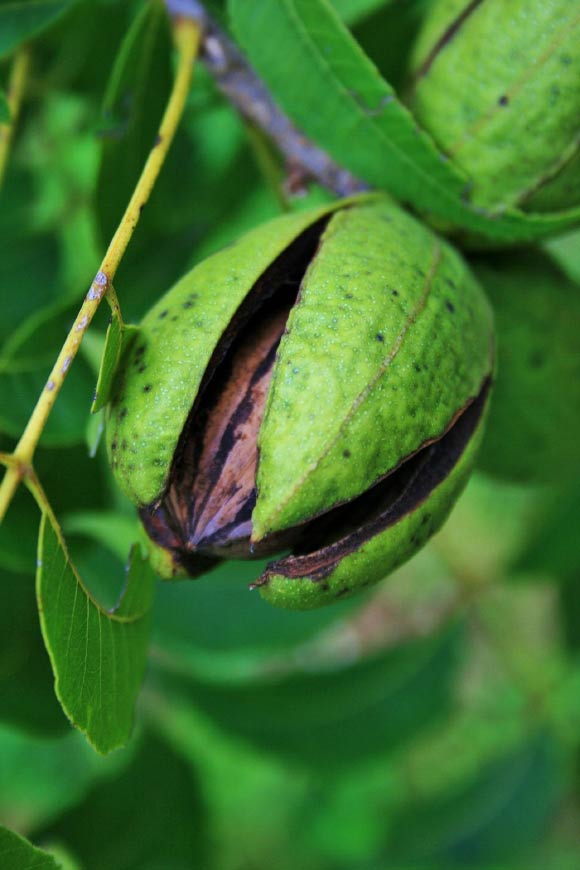
A comprehensive analysis of nutritional research spanning multiple decades indicates that pecans, which are abundant in polyphenols, beneficial fats, and dietary fiber, have the potential to elevate dietary standards and positively influence lipid profiles, thereby contributing to cardiometabolic well-being that extends beyond mere caloric considerations.
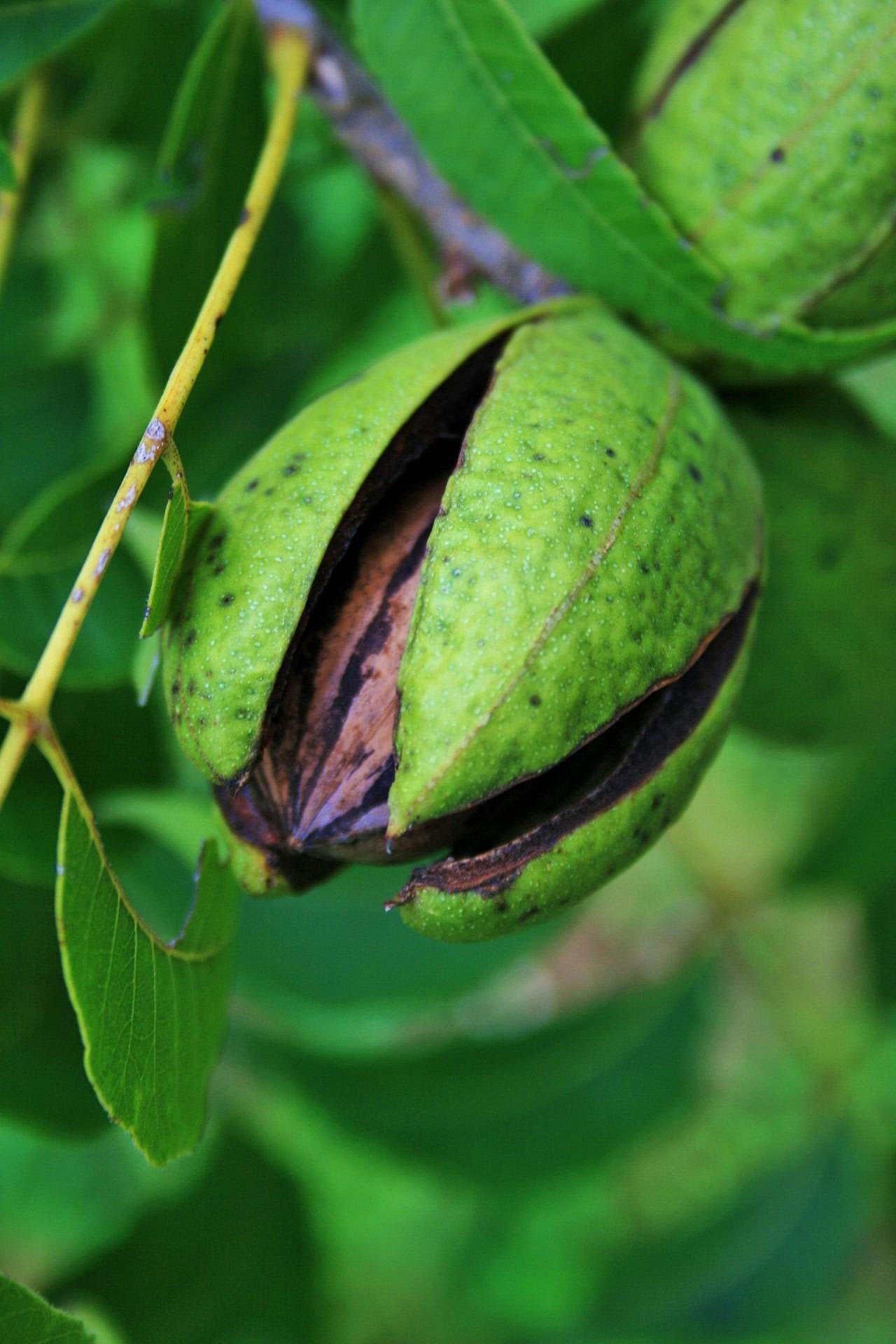
Pecans are a tree nut native to America with a rich content of unsaturated fatty acids, minerals, fiber, and a diverse array of bioactive components, including polyphenols, tocopherols, and phytosterols.
Pecans (Carya illinoinensis), a native North American tree nut, are predominantly found in the Mississippi River Valley and historical territories of Texas and Mexico.
Centuries before European settlement, these nuts were a dietary cornerstone for numerous Indigenous communities, esteemed for their ease of transport, high energy content, and extended storability.
Distinct from many other commercially cultivated tree nuts, pecans are deeply interwoven with the agricultural traditions and cultural identity of the southern United States, where historically they have occupied a significant place in both diet and the economy.
Pecans are widely recognized for their prominent role in confectioneries and desserts, such as the classic pecan pie and pralines.
Nevertheless, their culinary versatility extends to savory dishes, snack product development, and even the formulation of plant-based dairy substitutes, as both culinary experts and consumers explore their rich flavor profiles and inherent nutritional value.
From a health perspective, pecans offer cardiovascular advantages comparable to those of other tree nuts.
The U.S. Food and Drug Administration has endorsed a qualified health claim indicating that a daily intake of 1.5 ounces of most nuts, including pecans, may contribute to a reduced risk of heart disease.
However, pecans possess a distinctive nutritional makeup, characterized by high levels of polyphenols, tocopherols, and phytosterols, which may confer additional or synergistic health benefits beyond their fatty acid composition.
While perhaps less extensively researched than almonds or walnuts, accumulating evidence suggests that the inclusion of pecans in one’s diet yields substantial health advantages.
The researchers involved in this review meticulously examined current data pertaining to the nutritional and phytochemical constituents of pecans, including available knowledge regarding the absorption and metabolic pathways of their primary bioactive substances.
Subsequently, they undertook a review of human clinical trials conducted between 2000 and 2025, with a specific focus on the physiological impacts of pecan consumption across various cardiometabolic and related health indicators. A total of 52 scholarly articles were selected for inclusion in this review.
The findings indicate that individuals who incorporate pecans into their dietary regimen achieve higher scores on the Healthy Eating Index (HEI), signifying an overall improvement in diet quality.
Further analysis of data from nationally representative NHANES surveys reveals that pecans naturally integrate into balanced and healthy eating patterns, particularly when they serve as a substitute for conventional snack selections.
“A notable aspect of the research is the consistent correlation observed between pecans and indicators of cardiovascular health and overall dietary quality,” stated Dr. Burton-Freeman.
“The additional insights regarding satiety and weight management provide valuable context, especially given the increasing interest in appetite regulation and the utilization of GLP-1 therapies.”
The research team also identified promising avenues for future investigation: (i) the influence on gut health and digestion, including the intricate interplay between pecan nutrients and the intestinal microbiome; (ii) cognitive function, considering the high polyphenol content of pecans and established links between cardiovascular and brain health; and (iii) the impact of bioactive compounds, whose variability based on cultivation conditions may affect health outcomes.
“While these domains are still in the nascent stages of exploration, they represent promising directions for subsequent scientific inquiry,” the researchers commented.
This comprehensive review article was formally published in the esteemed scientific journal Nutrients.
_____
K. Sandhu et al. 2025. Pecans and Human Health: Distinctive Benefits of an American Nut. Nutrients 17 (23): 3686; doi: 10.3390/nu17233686