Despite the indispensable role of vaccinations, their specificity can often be a point of considerable frustration.
Researchers affiliated with various institutions across the United States have pioneered a remarkably adaptable vaccine candidate, demonstrating protective efficacy in murine models against a spectrum of viral agents, bacterial pathogens, and even allergenic triggers.
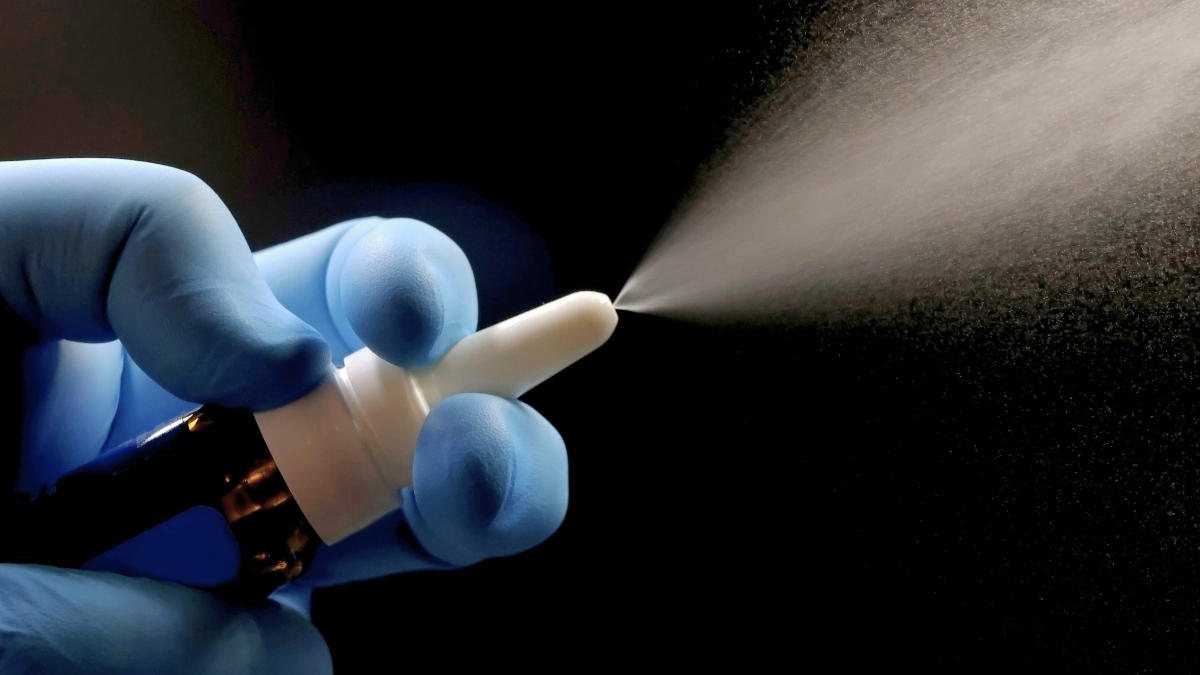
The novel GLA-3M-052-LS+OVA formulation can be administered via intranasal application. A regimen of three doses conferred protection in mice against SARS-CoV-2 and other coronaviruses for a duration of three months, resulting in a reduction in pulmonary viral load by a factor of 700 when contrasted with unvaccinated counterparts.
Furthermore, this vaccine accelerated the mice’s immunological response to SARS-CoV-2. While the adaptive immune mechanisms within their lungs typically necessitate up to a fortnight to mount a defense against the virus, vaccinated subjects initiated a counteroffensive in as little as three days.
Subsequent evaluations revealed the vaccine’s capacity to shield the animals from bacterial afflictions. This included protection against Staphylococcus aureus and Acinetobacter baumannii, both of which are frequently contracted within healthcare environments and exhibit escalating antibiotic resistance.
Perhaps most unexpectedly, the vaccine also diminished the susceptibility to asthma. Upon exposure to dust mites, vaccinated mice exhibited attenuated asthmatic responses, such as reduced immune cell proliferation and diminished excess mucus production in the lungs, for a period of three months.
“I believe we have developed a comprehensive vaccine effective against a diverse array of respiratory threats,” states Bali Pulendran, a microbiologist at Stanford and the senior author of the research publication.
“Envision receiving a nasal spray during the autumnal season that safeguards you from all respiratory viruses, encompassing COVID-19, influenza, respiratory syncytial virus, and the common cold, in addition to bacterial pneumonia and early spring allergens. Such an advancement would revolutionize medical practice.”
The conventional approach for most vaccines involves presenting the immune system with a non-pathogenic component of a microbe, enabling the host to generate specific antibodies designed to neutralize the actual pathogen upon encounter. This mechanism operates via what is termed adaptive immunity.
This strategy has proven to be life-saving for centuries, yet vaccines are characteristically narrow in their scope. These presented fragments not only vary between pathogens but often differ even among distinct strains. This inherent variability necessitates annual updates for influenza vaccines, which yield inconsistent levels of effectiveness.
Other so-called ‘universal’ vaccines typically target a single virus family, such as influenza. However, the inclusion of disparate pathogens, including bacteria and even allergens, fundamentally redefines the concept.
This novel vaccine operates on a distinct principle. Instead of directly targeting the pathogen, it modulates the host’s immunological response. Essentially, its design aims to bridge the two principal components of the immune system: the enduring yet specific adaptive immunity, which is the focus of most vaccines, and the transient but broad innate immunity.
The latter serves as our primary defense against unfamiliar threats but generally diminishes within a few days as the adaptive immune system learns to combat the invader.
In prior investigations, researchers elucidated the mechanism by which a common tuberculosis vaccine elicited a surprisingly sustained innate immune response. It was discovered that T cells—a component of the adaptive response—were recruiting innate immune cells and maintaining their activity for several months.
By isolating the critical signaling pathways employed by T cells, the team has now demonstrated the ability to synthetically replicate these signals, thereby sustaining innate immunity beyond its natural duration and conferring a form of generalized protection.
The subsequent phase involves clinical trials, with the research group expressing optimism that, contingent upon continued progress, this type of broad-spectrum vaccine could become accessible within a five-to-seven-year timeframe.
“While this development is certainly promising, significant hurdles remain before a truly universal vaccine becomes a tangible reality,” observes Jonathan Ball, a molecular virologist at the Liverpool School of Tropical Medicine in the UK, who was not involved in the current study.
“The pivotal considerations revolve around its efficacy in human subjects and its safety profile. We already witness ‘off-target’ protective effects in individuals receiving specific vaccines, indicating the underlying potential is indeed present. However, it is imperative to ascertain that maintaining the body in a ‘heightened state of readiness’ does not precipitate unintended consequences, where an overstimulated immune system inadvertently triggers adverse reactions.”
This research has been disseminated in the peer-reviewed journal Science.