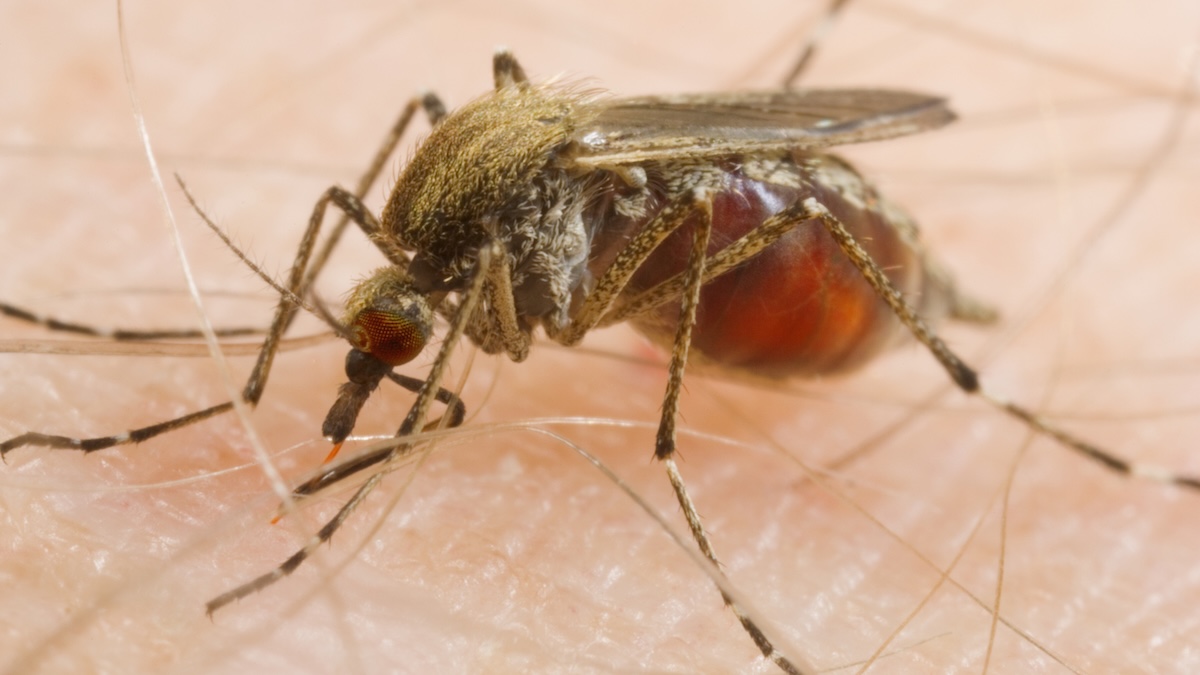
Recent scientific findings indicate a growing dependency of certain mosquito species on human blood, a phenomenon largely attributable to our own environmental impact.
An extensive sampling initiative conducted in Brazil has revealed a correlation: as the region’s biodiversity diminishes, mosquitoes exhibit an increased propensity to target humans for sustenance. This observation is logically consistent, as human activities displace native fauna, thereby reducing the available alternative hosts for mosquitoes.
The implications of this shift extend beyond mere nuisance, posing significant public health challenges. Mosquitoes are recognized as critical vectors for various diseases, and modifications in their feeding preferences towards humans can precipitate serious health ramifications.
Investigators affiliated with the Federal University of Rio de Janeiro and the Oswaldo Cruz Institute deployed light traps within two nature preserves situated in Brazil’s Atlantic Forest. This effort successfully captured an array of 52 distinct mosquito species.

Subsequently, the research team meticulously isolated blood-engorged female mosquitoes from a collective sample exceeding 1,700 individuals. Within this select group, DNA analysis of 24 specimens identified traces originating from 18 different human hosts.
The subsequent most prevalent blood source identified was avian, with samples containing genetic material from six distinct bird species. Blood from amphibians, rodents, and canids was each detected in a single instance.
“Our findings demonstrate a pronounced preference among the mosquito species captured in the remaining fragments of the Atlantic Forest for feeding on humans,” stated Jeronimo Alencar, a biologist at the Oswaldo Cruz Institute, in a related commentary.
The research group posits several potential explanations for the elevated detection of human blood. However, the most salient explanation appears to be the proliferation of human presence in these areas due to escalating deforestation.
“With diminishing natural host availability, mosquitoes are compelled to seek out novel, alternative blood sources. They consequently resort to feeding more frequently on humans due to the convenience afforded by our prevalence as hosts in these locales,” explained Sergio Machado, a microbiologist with the Federal University of Rio de Janeiro.
The investigative team emphasizes the necessity for more in-depth analyses, potentially incorporating refined methodologies for insect collection.
Current trapping methods, particularly light traps, tend to preferentially attract mosquitoes actively seeking a blood meal, while those that have recently fed are less inclined to be captured as they rest.
Achieving a more comprehensive understanding of mosquito feeding behaviors could significantly enhance strategies for disease prevention.
This scientific investigation has been formally published in the esteemed journal Frontiers in Ecology and Evolution.