Scientific endeavors in mammal cloning have evidently reached a critical threshold, culminating in a significant setback after extensive research.
Following two decades of persistent investigation, Japanese researchers have identified a fundamental genetic impediment to the indefinite cloning of mammals.
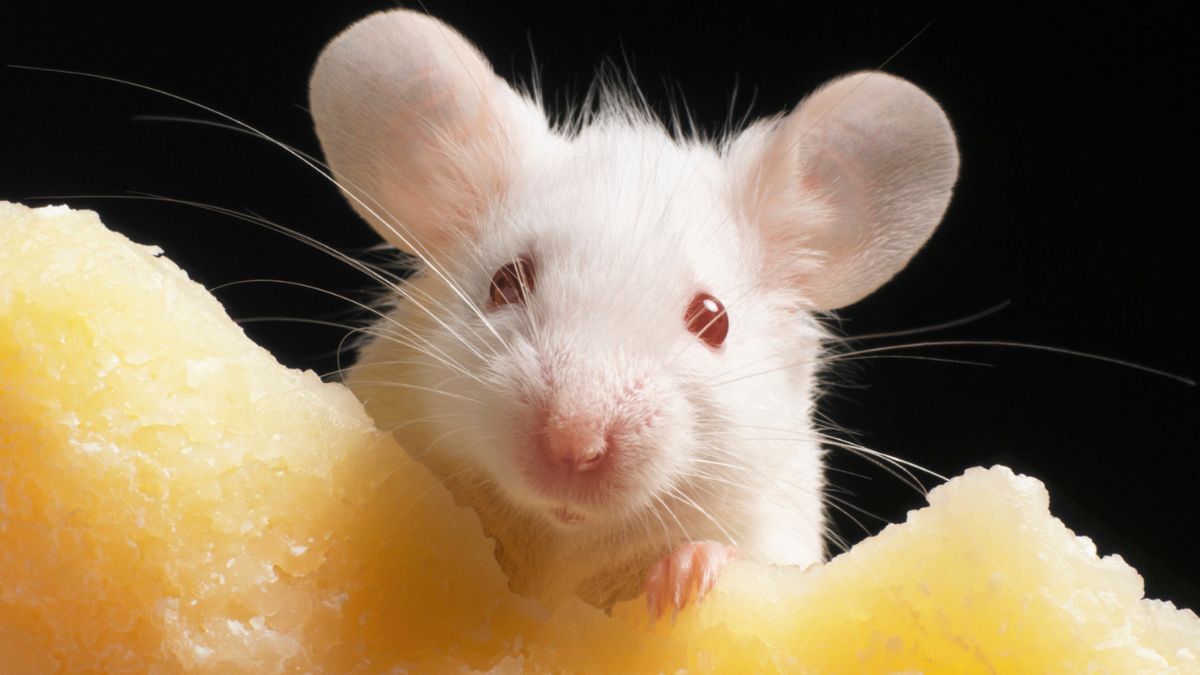
This extensive research initiative commenced in 2005, initiated by a team of scientists affiliated with the University of Yamanashi in Japan, who successfully cloned a single female mouse.
Subsequent to this initial success, they embarked on a process of re-cloning by transplanting the nuclear DNA from each successive clone into enucleated eggs, a method that was repeated for an additional 57 generations, resulting in a prolific lineage of over 1,200 mice originating from that solitary donor.
After two decades of this serial cloning process, the research team had reached the 58th generation, at which point the re-cloned mice had accumulated such a substantial quantity of genetic aberrations that they proved non-viable, succumbing shortly after birth.
This particular investigation represents the inaugural peer-reviewed study documenting the serial cloning of a mammal to such an extreme extent and its ultimate consequences.
“It has remained an open question whether mammals, unlike botanical organisms and certain simpler animal forms, could perpetuate their lineage solely through clonal reproduction,” stated the research collective, under the scientific direction of geneticist Sayaka Wakayama.
“Our findings are highly consistent with the principles of Muller’s ratchet theory,” they further elaborated. “This theoretical framework posits that in asexually reproducing populations, detrimental mutations invariably accumulate, ultimately leading to a mutational collapse and subsequent extinction.”
Since the groundbreaking cloning of Dolly the Sheep in the mid-1990s, the inaugural instance of mammal cloning, scientific understanding of this complex procedure, including the precise methods for recreating an organism from minimal cellular material, has advanced considerably.
Some proponents of conservation initiatives harbor aspirations that this technique could eventually be employed to revive endangered species, and a number of well-known individuals have even opted to clone their beloved pets.
While this approach may yield temporary successes, the repeated re-cloning over extended periods can lead to the accumulation of deleterious genetic alterations within the genome. The timeframe required for these mutations to prove lethal to an organism remained unquantified, prompting the Japanese scientists to use mice as their experimental subjects to ascertain this information.
During the initial 25 cloning cycles undertaken by the research group, the resulting re-cloned mice exhibited no discernible phenotypic differences when compared to the original genetic progenitor. In fact, the success rates of cloning appeared to improve with each subsequent generation, leading the researchers to hypothesize that “indefinite re-cloning of animals might be achievable.”
However, a significant shift in outcomes was subsequently observed. The success rates associated with the cloned mice began a discernible decline, ultimately culminating in a complete cessation of successful cloning attempts.
It became apparent that the mice had somehow lost their inherent capacity to effectively rectify chromosomal aberrations and coding mutations.
The loss of the X chromosome emerged as a particularly pronounced issue following the 25th generation of clones, and the incidence of harmful mutations nearly doubled by the 57th generation.
Remarkably, individuals within these generations, even those carrying genetic mutations, generally maintained normal lifespans, with the exception being the 58th generation.
“Although serial cloning could not be sustained beyond the 58th generation (G58), the re-cloned mice remained in good health, with the exception of the G58 cohort, suggesting the potential for subsequent generations to be produced through sexual reproduction,” the authors posited.
To empirically test this supposition, the research team procured female mice from the 20th, 50th, and 55th generations and introduced them to normal male mice for mating. While the 20th-generation clones produced litters comparable in size to those of control groups, the 50th- and 55th-generation clones yielded significantly diminished litter sizes.
Nevertheless, when the offspring derived from mating these cloned lineages with normal mice subsequently produced their own offspring (i.e., grandchildren of the clones), their litter sizes rebounded to healthy levels.
These findings suggest a remarkable resilience within mammalian species to genetic mutations, enabling them to retain vitality and reproductive capacity even when confronted with extensive genetic modifications.
The authors contend that this study serves to “reaffirm the unavoidable evolutionary imperative of sexual reproduction for the enduring survival of mammalian species.”
This research was formally published in the esteemed scientific journal Nature Communications.