A recent comprehensive systematic review and meta-analysis suggests that the principal contributing factors may stem from the vasoprotective and neuroprotective qualities inherent in these dietary patterns, alongside their inherent anti-inflammatory and antioxidant capabilities.

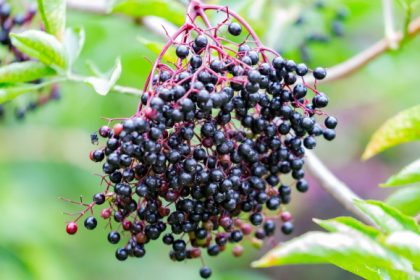
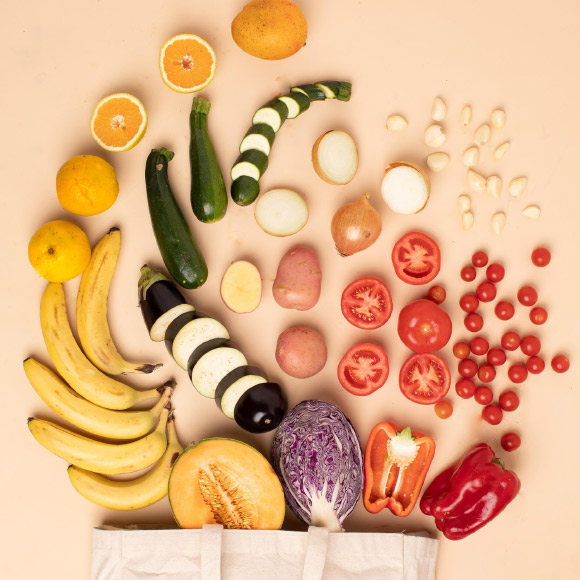
Increased consumption of fruit, dietary fiber, dairy products and caffeine may be associated with a reduced risk of tinnitus. Image credit: Serp Pae.
Tinnitus, a condition defined by the perception of auditory phenomena such as ringing, hissing, or electrical sensations, manifests in the absence of external sonic stimulation.
This auditory disturbance is frequently correlated with significant psychological distress, including depression, anxiety, and heightened stress levels, and in severe instances, can tragically escalate to suicidal ideation, thereby profoundly impacting an individual’s overall quality of life.
Current epidemiological evidence indicates a globally aggregated prevalence rate of approximately 14.4% among adults and 13.6% within pediatric and adolescent populations.
The considerable widespread occurrence of tinnitus, coupled with its substantial detrimental effects on both life satisfaction and mental wellness, has progressively emerged as a matter of significant medical and societal consideration.
The precise etiological origins of tinnitus remain largely indeterminate and are understood to involve a complex interplay of various elements.
Certain investigative bodies have posited the involvement of neural impairments or vascular challenges within the inner ear, aberrant neuronal signaling along central auditory pathways, and irregular activation patterns in extralimbic brain regions such as the anterior insula, anterior cingulate cortex, and thalamus.
Dietary habits possess the potential to exert a considerable influence on tinnitus experiences; however, definitive clarity regarding specific foodstuffs that exacerbate or ameliorate tinnitus symptoms remains elusive.
In their systematic review and meta-analysis, Dr. Mengni Zhang and her associates hailing from the Chengdu University of Traditional Chinese Medicine undertook an extensive examination of research repositories, searching for studies that established a connection between tinnitus and dietary patterns in adults, with publications up to May 2024 being included.
Their investigation identified eight observational studies encompassing a cohort of 301,533 individuals. These studies employed validated questionnaires to evaluate fifteen distinct dietary factors, and were deemed of sufficient methodological rigor for inclusion in their analytical synthesis.
The dietary parameters examined comprised carbohydrates, caffeine, eggs, fruits, fibers, fats, meats, proteins, sugars, fish, vegetables, and dairy products.
The consolidated findings indicated a correlation between increased intake of fruits, dietary fiber, dairy items, and caffeine, and a diminished incidence of tinnitus.
Specifically, these reductions were quantified as 35% for fruit consumption, 9% for dietary fiber intake, 17% for dairy product consumption, and 10% for caffeine consumption.
No statistically significant relationships were identified between other dietary factors and tinnitus, and the results maintained consistency following further rigorous analyses. Nevertheless, the authors themselves concede that the association between caffeine consumption and tinnitus continues to be a subject of ongoing debate and uncertainty.
The researchers readily acknowledge that, owing to the observational nature of the studies incorporated into their review, definitive conclusions regarding causality cannot be firmly established. Furthermore, a relatively constrained sample size of included studies might have contributed to certain conventionally recognized beneficial dietary components (such as vegetables and eggs) not exhibiting statistically significant ameliorative effects.
They posited, “The primary underlying mechanisms may involve the protective effects of these diets on blood vessels and nerves, as well as their anti-inflammatory and antioxidant properties.”
“Additional large-scale investigations are requisite to substantiate and validate the intricate relationship between dietary intake and the manifestation of tinnitus.”
Their research endeavor has been published in the esteemed journal BMJ Open.
_____
M. Zhang et al. 2025. Association of 15 common dietary factors with tinnitus: a systematic review and meta-analysis of observational studies. BMJ Open 15: e091507; doi: 10.1136/bmjopen-2024-091507