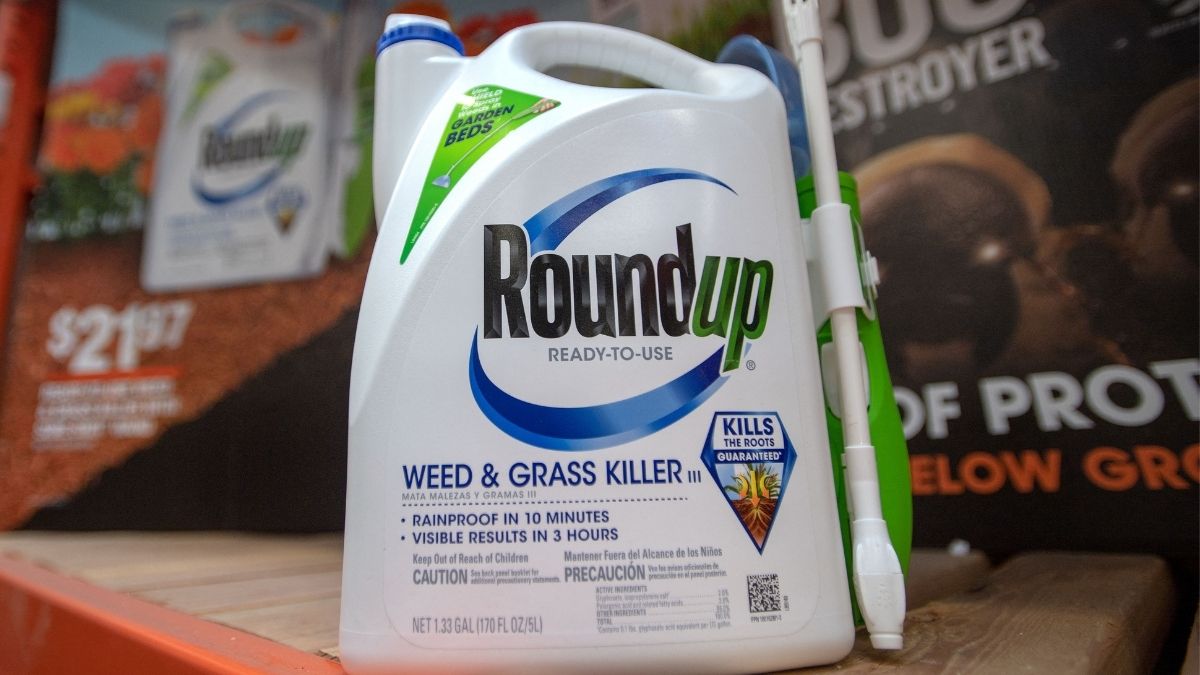
A contentious scientific publication asserting that the herbicide glyphosate, commercially known as Roundup, “poses no health hazard to individuals,” has been officially rescinded two and a half decades after its initial release. This unprecedented action stems from profound ethical infringements linked to industry interference.
This development follows a significant legal proceeding in 2017, which determined that personnel affiliated with the chemical conglomerate Monsanto actively participated in the clandestine authorship of the pesticide’s safety assessments.
The article, now under retraction, which previously contended that no empirical evidence linked Roundup to carcinogenic effects, endocrine system disruption, or general human toxicity, stands as one of the most frequently referenced works in scientific literature concerning glyphosate.
This seminal research, which reported no adverse health risks associated with Roundup, was disseminated in the journal Regulatory Toxicology and Pharmacology in the year 2000. The authors credited were Gary Williams, Robert Kroes, and Ian Munro.
The invalidation of its findings inevitably engenders substantial skepticism regarding the safety profile of Roundup.
Roundup was initially brought to market by Monsanto in 1974, with Bayer subsequently acquiring the product line in 2018. Bayer continues to assert, through its public statements, that the compound is safe when utilized in accordance with prescribed instructions.
In a formal notice issued in November 2025, the journal’s co-editor-in-chief, Martin van den Berg, articulated that the retraction is predicated on a multitude of critical deficiencies that seriously compromise the academic credibility and conclusions presented in the paper. Attempts to solicit commentary from Williams, the sole surviving author, proved unsuccessful, as no response was received.
Van den Berg further noted that “This publication has been widely considered a foundational document in the ongoing debate surrounding the carcinogenic potential of glyphosate and Roundup.”
“Nevertheless,” he continued, “the absence of transparency concerning the extent of authorship by Monsanto employees introduces considerable doubt regarding the veracity of the conclusions derived.”
Among the identified ‘critical issues’ is the revelation that the evaluation of the chemical’s role in cancer causation and genetic damage relied exclusively on proprietary, unpublished studies conducted by Monsanto. Crucially, numerous other comprehensive, long-term studies available at the time of the review were conspicuously omitted.
The lack of authorial independence, van den Berg explained in the retraction statement, “gives rise to significant ethical qualms concerning the autonomy and accountability of the authors involved in this article.” He further highlighted the failure to disclose the involvement of Monsanto employees and the potential for financial remuneration provided to the authors by the company.
Glyphosate ranks among the most extensively utilized herbicides globally, serving the needs of both large-scale agricultural operations and individual home gardeners for the eradication of undesirable vegetation.
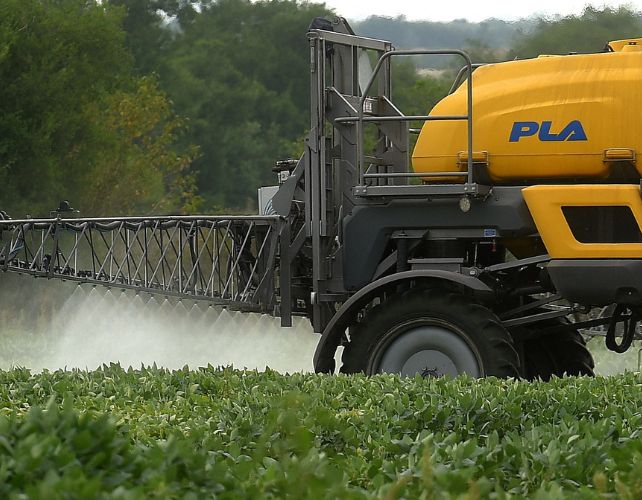
Within the agricultural sector, this chemical has been frequently paired with ‘Roundup Ready‘ crops—plant varieties engineered to withstand glyphosate’s herbicidal action. Presently, this category encompasses crops such as soybeans, corn, canola, sugar beets, cotton, and alfalfa.
This genetic modification empowers cultivators to apply glyphosate liberally across their fields, effectively eliminating any flora lacking inherent resistance while preserving the crops.

There is mounting apprehension regarding the potential health implications for humans, not to mention the extensive ramifications for various components of both natural and human-influenced environments.
Renowned Harvard scientist Naomi Oreskes identified that the now-retracted paper has been cited in over 800 academic works, numerous governmental reports, and several entries on Wikipedia. She further observes that many advanced language models are now drawing their information from these sources.
In 2015, the International Agency for Research on Cancer, an arm of the World Health Organization, issued a determination classifying glyphosate as a probable human carcinogen, based primarily on animal studies. However, this finding is not universally agreed upon by other health authorities and organizations.
Substantial, genuinely independent scientific inquiry will be indispensable to definitively ascertain whether a tangible health risk is posed by glyphosate to human populations.
To date, Bayer has disbursed an estimated $10 billion in compensation to settle lawsuits pertaining to Roundup’s potential carcinogenicity that were pending as of 2020. An additional backlog of over 67,000 cases is still awaiting resolution.