The protein known as Dickkopf 3 (DKK3) has been identified as a pivotal factor in the development of fibrotic conditions that arise from radiation exposure, presenting a compelling avenue for the creation of innovative therapeutic strategies.
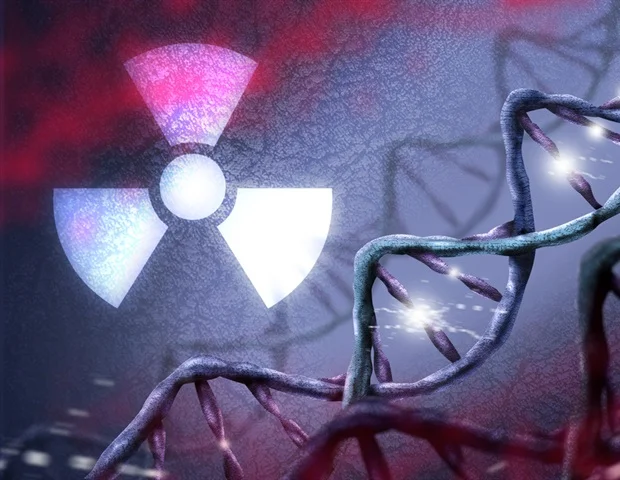
Radiation therapy stands as a cornerstone in the management of oncological conditions. A frequent consequence of this treatment modality is dermatological compromise, ranging from persistent inflammation to the development of fibrotic changes. Currently, such protracted sequelae are addressed primarily through symptomatic relief, leading to skin that becomes thickened, tender, or sensitive for extended periods, often spanning months or even years post-treatment. A collaborative group, spearheaded by LMU immunologist Professor Peter Nelson (LMU University Hospital) and comprising Roger Sandhoff and Peter E. Huber from the German Cancer Research Center (DKFZ), has pinpointed the protein Dickkopf 3 (DKK3) as a principal contributor to chronic skin damage following radiotherapy. This discovery marks a significant advancement toward developing more precise therapeutic interventions.
Through meticulous investigation involving murine models, human cellular cultures, and tissue specimens, the research team elucidated that DKK3 becomes actively engaged subsequent to radiotherapy within a specific subset of epidermal cells instrumental in skin regeneration. This heightened activity initiates a cascade of events that fosters inflammatory responses, promotes the formation of scar-like tissue, and ultimately results in chronic cutaneous damage. The foundational work for these critical findings was significantly advanced by LMU students, Li Li and Khuram Shehzad. Their diligent contributions were indispensable in establishing DKK3 as the crucial molecular orchestrator and in formulating the mechanistic framework detailed in the publication.
We have also observed analogous processes occurring within the renal system. This observation suggests that the activation of DKK3 represents a foundational mechanism that drives fibrotic progression across a variety of organ systems.”
Professor Peter Nelson, LMU University Hospital
The researchers posit that these revelations underscore the potential of DKK3 as a novel therapeutic target. “Pharmacological agents designed to inhibit DKK3 could potentially serve as a means to avert or mitigate the long-term skin detriment experienced after radiotherapy, thereby enhancing the quality of life for individuals undergoing cancer treatment and those who have survived it,” stated Nelson. Furthermore, the research cohort is presently examining whether this therapeutic strategy might also be applicable to the prevention of scarring in other bodily organs.
Li, L., et al. (2026). Wnt-associated DKK3 in keratinocytes mediates radiation-induced hyperplasia, dermatitis and skin fibrosis. Signal Transduction and Targeted Therapy. doi: 10.1038/s41392-025-02541-z. https://www.nature.com/articles/s41392-025-02541-z