A common misconception posits that humanity has, through the advancements of civilization and technology, transcended the influence of the natural world. Furthermore, some subscribe to the notion that our distinctiveness from other species grants us absolute dominion over our fate, rendering further evolutionary development unnecessary. Despite the prevalence of these beliefs, they are, in fact, unfounded.
Just as all other organisms have been shaped by evolutionary pressures, so too have humans. Over extended periods, we have acquired and continue to refine the characteristics that facilitate our survival and prosperity within our specific ecological niches.
My professional background is in anthropology, a discipline focused on understanding human adaptation to diverse environments.
Adaptation is a cornerstone of evolutionary science. Adaptations are defined as traits that confer a survival or reproductive advantage within a particular environment.
Individuals possessing such advantageous traits exhibit a higher probability of survival and are subsequently more likely to transmit these traits to their offspring. Across numerous generations, these beneficial characteristics become increasingly prevalent within the broader population.
The influence of culture
Our species is distinguished by bipedal locomotion and dexterous hands, enabling sophisticated tool manipulation. The ability to walk and run upright liberates our hands for intricate tasks, complemented by our substantial cognitive capacity, which facilitates abstract thought, innovation, and complex social interactions within groups.
These inherent attributes have been instrumental in the development of human culture. Culture encompasses our collective knowledge, beliefs, and our capacity for foresight and planning. It also includes our ability to actively modify our surroundings through endeavors such as tool-making and agriculture.
Despite our considerable environmental modifications over the past millennia, humans remain subject to the ongoing process of evolution. Our evolutionary journey has not ceased; rather, it is presently unfolding in ways that differ from those of our ancient ancestors. Our environments are frequently transformed by our cultural practices.
Typically, the term “environment” evokes images of local climate, flora, and fauna. However, a more comprehensive definition includes dietary components and exposure to pathogenic agents.
A particularly critical environmental factor is climate and the range of conditions conducive to human habitation. While culture provides a degree of insulation from climatic extremes, for instance, through the construction of climate-controlled dwellings, it does not offer complete protection against severe heat, cold, or intense solar radiation.
The ensuing section will illustrate how human evolution has unfolded over the last ten thousand years and continues to progress in the present era.
The impact of solar radiation
While the sun’s radiation is vital for sustaining life on Earth, its ultraviolet (UV) component poses risks of cellular damage to human skin. Individuals with lighter complexions are particularly susceptible to severe sunburn and potentially life-threatening forms of skin cancer. Conversely, those with a higher concentration of skin pigment, known as melanin, possess a degree of protection against UV-induced dermal harm.
People residing in equatorial regions with abundant melanin in their skin are better equipped to thrive under intense sunlight. However, as early human populations migrated to cooler, less sunny latitudes, the adaptive advantage of dark skin diminished. In these environments, the high melanin content in dark skin impeded the synthesis of vitamin D, a nutrient essential for maintaining healthy bone structure throughout life.
The quantity of melanin produced in human skin is intrinsically linked to our genetic makeup, meaning that environmental factors, such as the prevailing sunlight conditions in different global territories, directly influence human evolutionary trajectories.
Dietary influences on evolution
Approximately ten thousand years ago, early human societies began the practice of domesticating animals like cattle and goats for their meat. Subsequently, around two thousand years later, they discovered methods for extracting milk from these animals. At that time, the vast majority of adult mammals, including humans, lacked the digestive enzymes to process lactose, leading to illness. However, a select few individuals possessed genetic variations that permitted milk digestion.
Given that milk represented a crucial dietary resource in these emerging agricultural communities, those individuals capable of digesting it experienced enhanced survival rates and reproductive success. Consequently, the genes conferring lactase persistence became increasingly prevalent in the population, reaching a point where most adults could consume milk without adverse effects.
This phenomenon, which occurred and spread millennia ago, exemplifies cultural and biological co-evolution. The cultural innovation of animal dairying directly precipitated these genetic or biological adaptations, which in turn reinforced the practice itself.
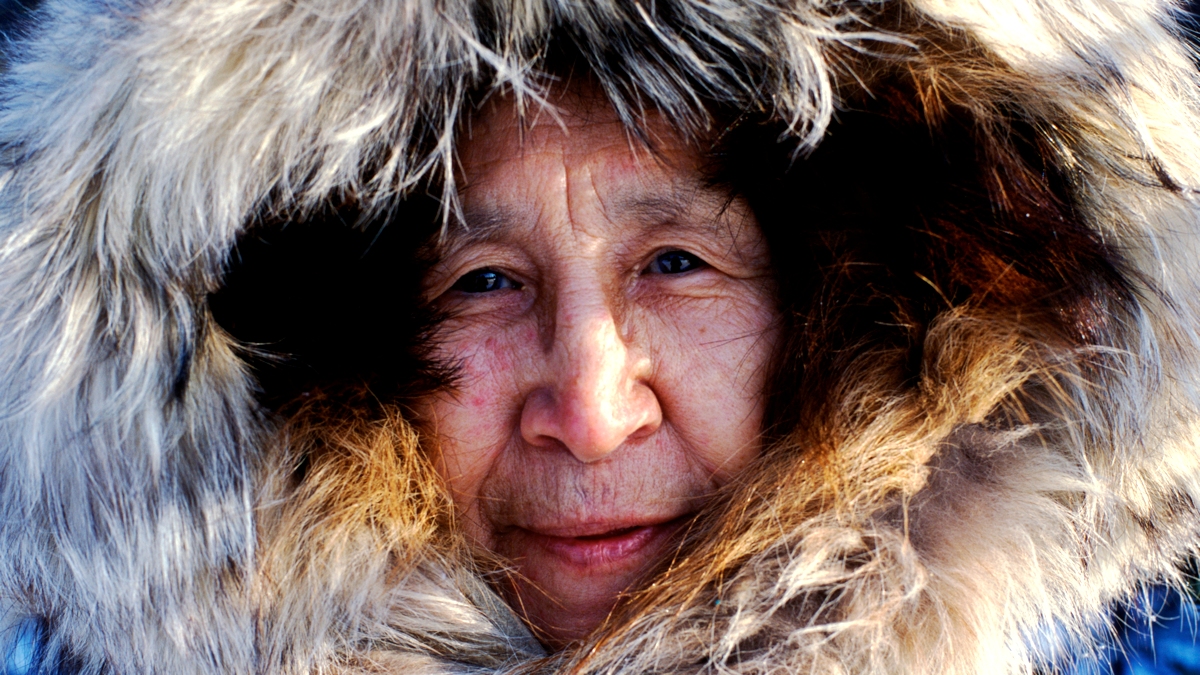
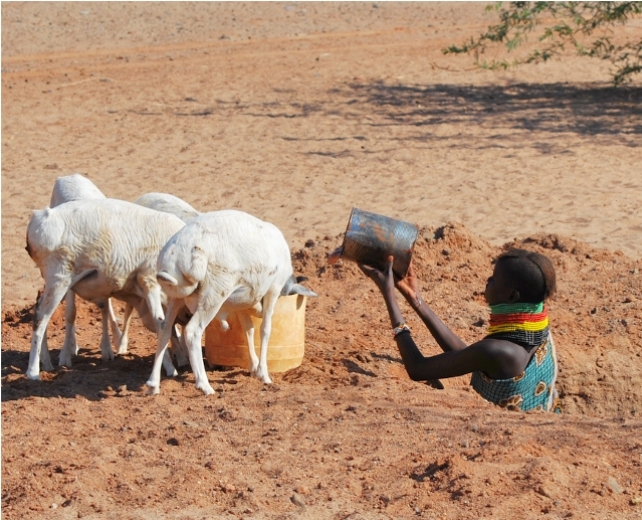
Other populations, such as the Inuit of Greenland, exhibit genetic adaptations that enable them to metabolize high-fat diets without increased risk of cardiovascular disease. Similarly, the Turkana people of Kenya, pastoralists in an arid region, possess a genetic trait that allows them to endure prolonged periods with minimal water intake—a condition that would typically result in renal damage in other individuals due to the kidneys’ role in water homeostasis.
These examples underscore the significant influence of the diverse dietary patterns across human societies on the course of our evolution.
Pathogen susceptibility and resistance
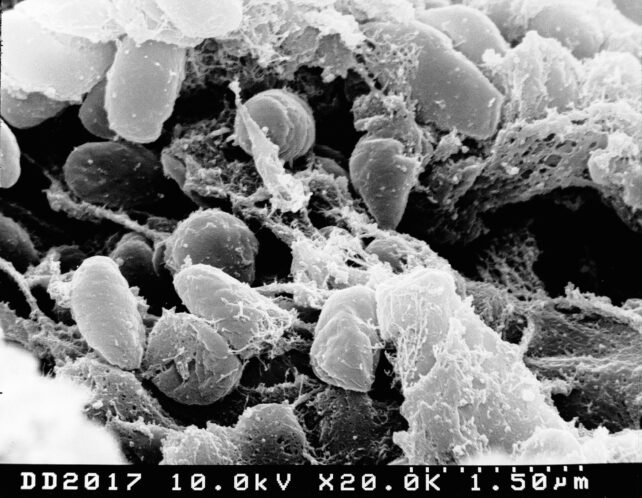
In common with all life forms, humankind has been continually exposed to a myriad of infectious agents. The 14th century witnessed the devastating impact of the bubonic plague, which ravaged Europe and Asia at an alarming rate. This pandemic is estimated to have claimed the lives of approximately one-third of Europe’s populace. A notable observation was that many survivors possessed a specific genetic marker conferring resistance to the disease, and these individuals and their progeny demonstrated enhanced resilience during subsequent epidemics that recurred for several centuries.
More recent outbreaks have also had significant evolutionary implications. For instance, the COVID-19 pandemic, which emerged in 2020, saw widespread vaccination efforts save countless lives. However, some individuals exhibited a natural genetic immunity to the virus. It is plausible that evolutionary pressures will favor an increase in this genetic resistance within the population, thereby bolstering humanity’s capacity to combat future viral pandemics.
As sentient beings, we are constantly encountering and responding to a dynamic array of environmental challenges. Consequently, evolutionary processes continue to shape numerous human populations across successive generations, with ongoing adaptations occurring even in the present day.