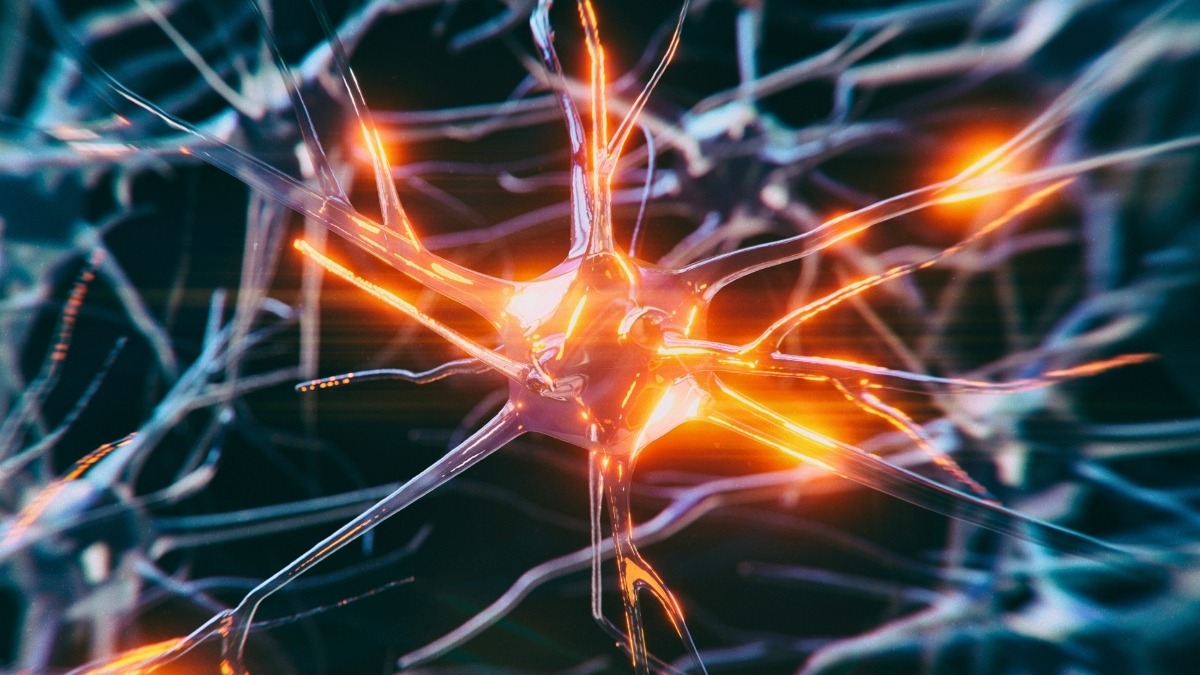
Certain neural cells possess the remarkable capacity to withstand the detrimental processes implicated in Alzheimer’s disease and other neurodegenerative conditions. A scientific endeavor has now illuminated the specific “cellular hazmat team” responsible for maintaining neuronal viability.
Neurodegenerative disorders, such as dementia, are characterized by the aberrant accumulation of proteins within the brain, ultimately leading to neuronal demise. Tau proteins, while integral for neuronal structure and intracellular transport in their functional conformation, become pathogenic when misfolded and aggregated. Increased levels of these tau aggregates correlate with the severity of neurodegenerative pathologies.
A recent investigation, employing CRISPR-based screening methodologies, delved into the accumulation of tau proteins in human pluripotent stem cell-derived neurons. Crucially, this study incorporated a significant and relevant modification.
“The exceptional value of this research stems from our utilization of human neurons that carry a genuine disease-causing mutation,” stated Avi Samelson, an assistant professor of neurology and biological chemistry at UCLA Health and the study’s primary author. “These cells exhibit inherent variations in tau processing, reinforcing our confidence in the applicability of the identified mechanisms to human pathogenesis.”
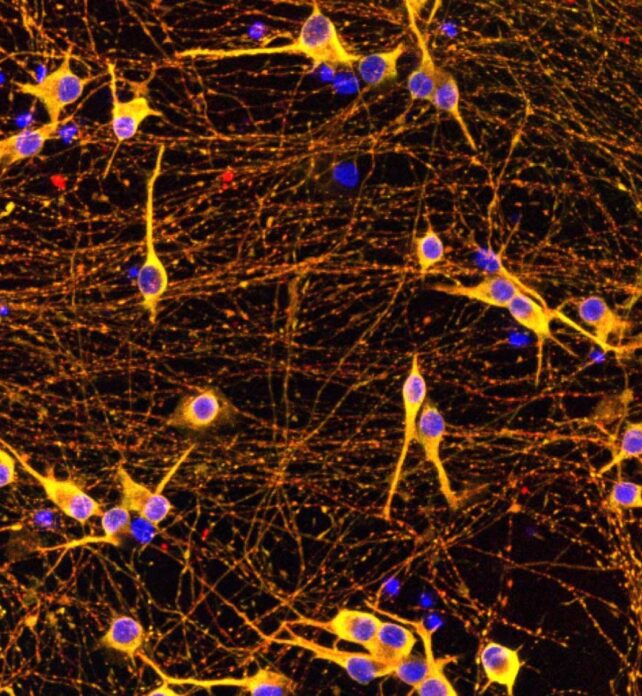
The specific mutation examined, MAPT V337M, predisposes tau proteins to aggregate and assume a detrimental conformation termed the “Alzheimer fold“.
Prior research efforts have focused on identifying genetic factors influencing disease risk, yet often overlooked the underlying molecular mechanisms. Similarly, while differences between neuronal populations have been noted, direct causal links have been challenging to establish experimentally.
“This represents the inaugural instance where we could screen human neurons to identify genes responsible for their resilience to tau pathology,” explained Martin Kampmann, a professor of biochemistry and biophysics at UC San Francisco and the study’s senior author. “Through the application of CRISPR technology, the researchers systematically surveyed nearly every gene within the human genome.”
By diminishing or inactivating approximately 20,000 individual genes in the *in vitro* human neurons, the study aimed to elucidate the impact of each gene on the aggregation of toxic tau. This comprehensive screening implicated over 1,000 genes in the formation of brain-damaging aggregates.
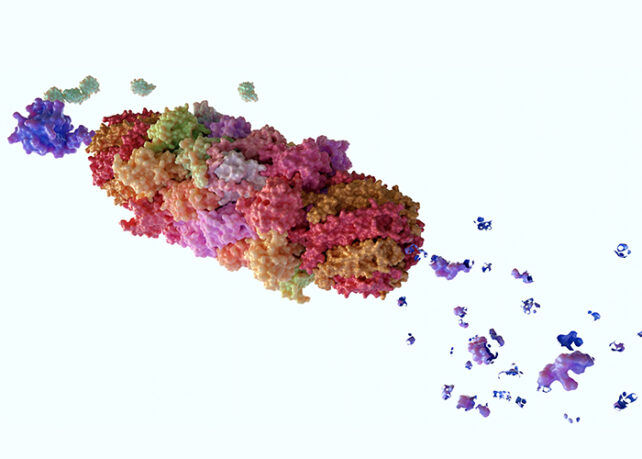
Further investigations pinpointed a crucial component: the CRL5SOCS4 protein complex. This complex facilitates neuronal resistance to toxic tau accumulation by appending molecular tags to tau proteins, thereby targeting them for degradation by proteasomes—the cell’s internal “garbage disposal” system.
To validate these *in vitro* findings against real-world observations, the researchers consulted the Seattle Alzheimer’s Disease Brain Atlas, a repository of data from post-mortem brain tissues of individuals diagnosed with Alzheimer’s. Their analysis revealed a direct correlation between higher CRL5SOCS4 expression in brain cells and increased cellular survival.
Mitochondrial dysfunction can also contribute to the generation of toxic tau species. Mitochondria, commonly known as the cell’s “powerhouses,” play a vital role in energy production. When genes regulating mitochondrial function were suppressed, the researchers observed the generation of tau protein fragments. These fragments, though small, bear resemblance to a validated biomarker detected in the blood and cerebrospinal fluid of Alzheimer’s patients. It appears that cells produce these tau fragments in response to oxidative stress, a condition associated with energy metabolism, which escalates with aging and neurodegeneration.
Collectively, this research underscores the potency of genetic screening in uncovering previously unknown disease mechanisms. For instance, novel pathways governing tau levels were identified, although their precise functions remain subjects for future exploration.
Furthermore, the translation of these findings into therapeutic interventions is a critical next step for clinicians. The researchers propose two potential therapeutic avenues: enhancing CRL5SOCS4 activity to promote more efficient clearance of tau proteins before aggregation occurs, and safeguarding proteasomes from oxidative stress to ensure their optimal function in tau protein processing.
As is often the case with human biological systems, evolutionary processes may have already established the most effective countermeasures.
“It is conceivable that future therapeutic strategies could leverage and enhance the body’s inherent mechanisms for preventing neurodegeneration,” suggested Kampmann. This groundbreaking research is disseminated in the esteemed journal Cell.