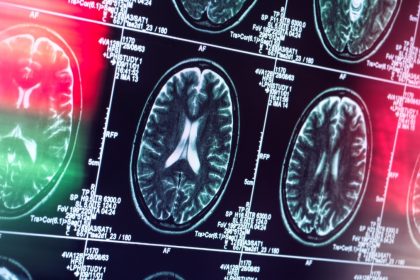
Stephen Hawking endured amyotrophic lateral sclerosis (ALS), the most prevalent form of motor neurone disease, for a remarkable 55 years, positioning him among the longest-living individuals diagnosed with this condition.
Conversely, the prognosis for the majority of those afflicted with motor neurone disease is considerably less optimistic. The ailment frequently advances rapidly, leading to fatalities within a span of two to five years post-diagnosis.
Currently, a definitive cure remains elusive. Genetic predispositions are implicated in approximately 10% of all incidents, with the underlying causes for the remaining cases largely unidentified.
A recent investigation, published in the esteemed journal JAMA Neurology, has pinpointed a potential contributing factor: atmospheric pollution, influencing both the susceptibility to developing motor neurone disease and its trajectory of progression.
Within this research, my associates and I meticulously analyzed the air quality metrics at the residential locations of 10,000 participants for a period extending up to a decade prior to their diagnosis. Our focus was directed towards two ubiquitous categories of airborne contaminants widely recognized for their deleterious health effects: nitrogen dioxide and particulate matter.
Particulate matter comprises extremely minute atmospheric particles, significantly finer than a human hair. These are typically classified by their size: PM2.5 (measuring 2.5 micrometres or less), PM10 (measuring 10 micrometres or less), and the intermediate fraction PM2.5-10 (ranging between 2.5 and 10 micrometres).
Our findings revealed that prolonged exposure to air pollution, even at the comparatively low levels commonly observed in Sweden, correlated with a 20–30% elevated probability of contracting motor neurone disease.
Furthermore, this association persisted even when comparing individuals within the same family unit, a methodological approach designed to mitigate the influence of shared genetic backgrounds and common upbringing environments.

We also observed that individuals diagnosed with motor neurone disease who had experienced years of exposure to elevated concentrations of PM10 and nitrogen dioxide faced an increased likelihood of mortality or the necessity for mechanical respiratory assistance.
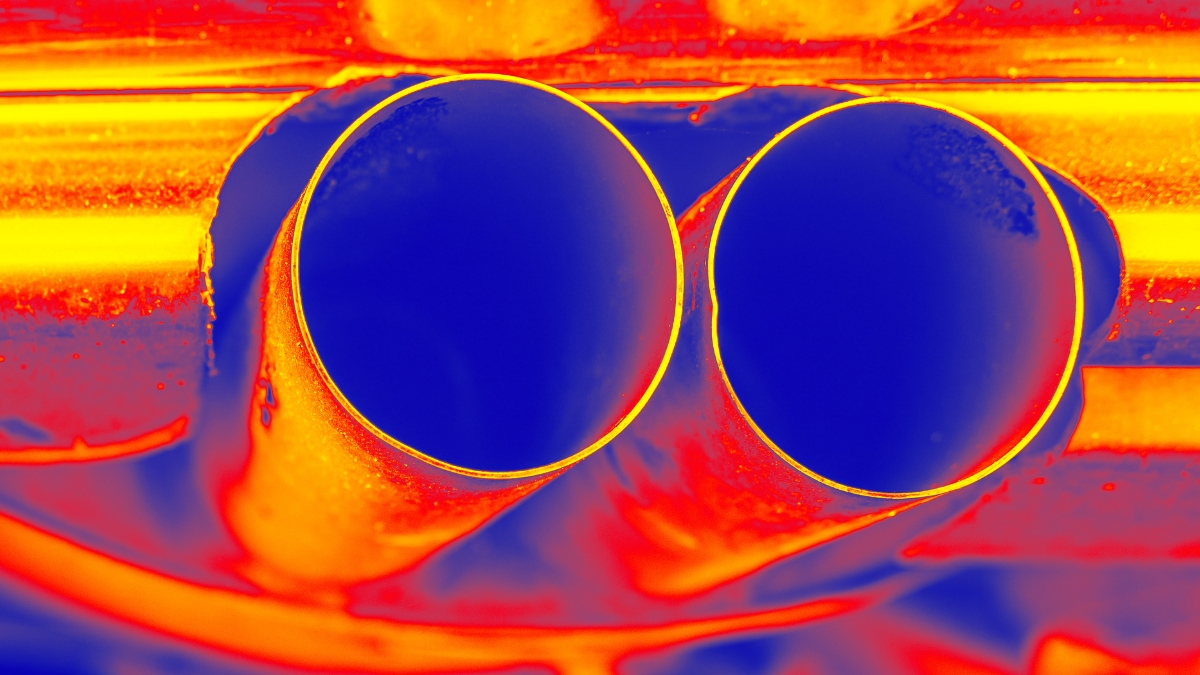
These specific pollutants are predominantly generated by proximate vehicular traffic. Cumulatively, these findings suggest that environmental contamination originating in close proximity, particularly from local exhaust emissions, might exert a more consequential impact than particulate matter transported from distant sources, which typically accounts for a substantial portion of daily fluctuations in ambient particulate levels.
Medical practitioners routinely monitor patients’ functional capacity across several critical domains to assess disease management.
These domains encompass bulbar function (encompassing speech, saliva management, and deglutition), fine motor skills (including handwriting, food preparation, dressing, and personal grooming), gross motor abilities (such as repositioning in bed, ambulation, and stair ascent), and respiratory function (indicated by dyspnea, orthopnea, and signs of respiratory insufficiency).
Participants in our cohort were evaluated approximately every six months post-diagnosis. We subsequently assessed the rate of disease deterioration both globally and within each of these functional areas. Individuals exhibiting a rate of decline exceeding that of 75% of their peers were categorized as experiencing more rapid progression.
Our analysis indicated that chronic exposure to air pollution was linked to a heightened probability of overall accelerated disease progression, with a particular impact on motor and respiratory functions, though bulbar function remained unaffected.

Broader implications
The underlying mechanisms responsible for these observed disparities are not yet fully elucidated. One plausible hypothesis is that different segments of the nervous system possess varying degrees of susceptibility to pollution-induced damage.
Alternatively, it is conceivable that air pollution’s established association with chronic pulmonary conditions, diminished lung capacity, and increased infection susceptibility, all of which have been correlated with adverse outcomes in ALS, plays a role.
Our investigation incorporated controls for numerous variables that could influence both air pollution exposure and the risk of motor neurone disease, including individual and community socioeconomic status, educational attainment, occupational history, and residential setting (urban versus rural).
Crucially, our study did not collect data pertaining to smoking habits or exposure to indoor air pollution. Nevertheless, there is no current evidence to suggest that individuals with and without motor neurone disease exhibit significant divergences in these particular factors in a manner that could account for our findings.
These findings represent a significant advancement in our comprehension of motor neurone disease and hold the potential to facilitate earlier diagnosis and more effective therapeutic interventions. However, an even more profound takeaway message emerges from this research.
We are all subject to exposure to atmospheric pollutants, and the accumulating evidence unequivocally demonstrates their detrimental impact on human health. Efforts to enhance air quality could yield far more substantial benefits than are presently appreciated.