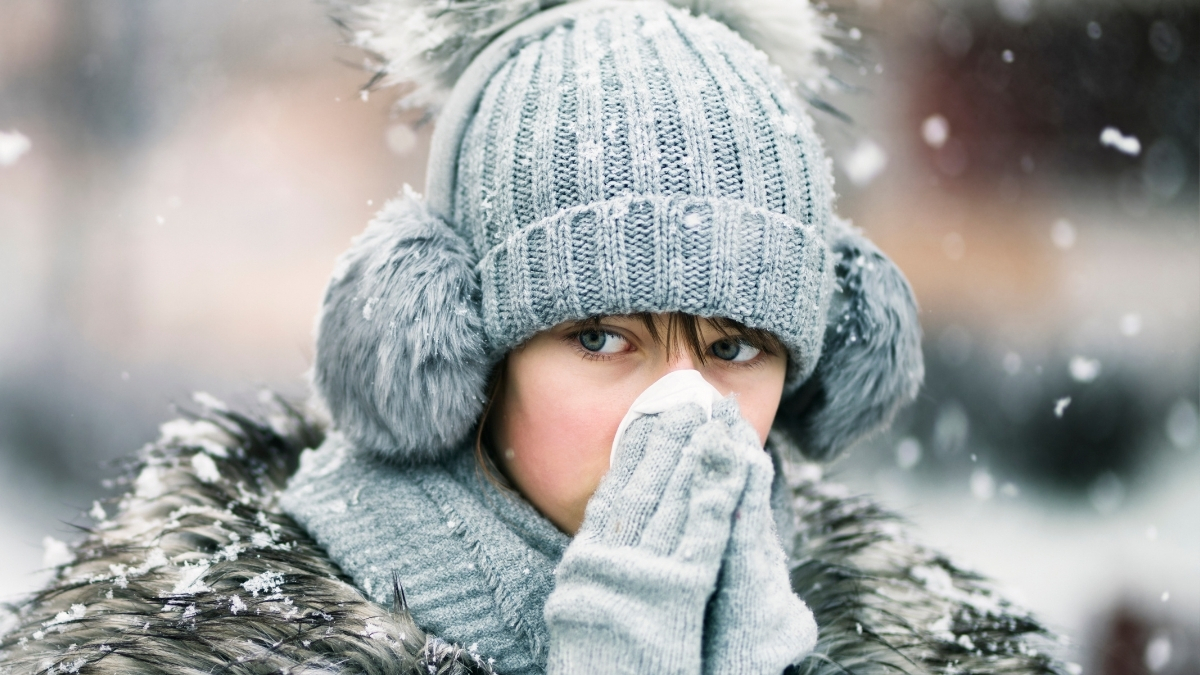
A widely held belief across various cultures posits that exposure to frigid temperatures directly precipitates illness. Common narratives often attribute the onset of colds or influenza to venturing outdoors without adequate protection, inhaling frigid air, sleeping in unheated spaces, enduring precipitation in cold conditions, or simply experiencing a general chill.
While this conviction resonates with many due to the temporal proximity of cold exposure and subsequent sickness, contemporary scientific inquiry reveals a more intricate relationship between adverse weather conditions and maladies. The notion that cold exclusively initiates disease is an oversimplification.
The direct causation of infections by low temperatures is not scientifically supported. Rather, cold weather cultivates a confluence of biological, environmental, and societal elements that heighten an individual’s susceptibility to ailment of the respiratory tract, particularly during the colder quadrants of the year.
Pathogens such as rhinoviruses, responsible for the common cold, and influenza viruses, which induce the flu, are the actual culprits behind these respiratory afflictions. Transmission occurs through respiratory droplets expelled by infected individuals or via direct physical contact, irrespective of the ambient temperature.
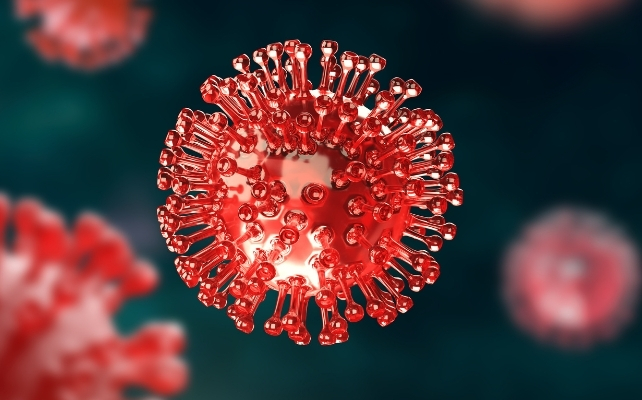
Despite this, a consistent and globally observed trend indicates an escalation in the incidence of respiratory infections during the cooler seasons in numerous global locales.
This seasonal prevalence is partly attributable to the impact of low temperatures and diminished atmospheric moisture on the viability and infectivity of viruses. Scientific investigations have demonstrated that numerous respiratory viruses, including those responsible for influenza and coronaviruses, exhibit augmented longevity and maintain their infectious potential for extended durations under cold and arid environmental conditions.
Furthermore, parched atmospheric conditions facilitate the rapid evaporation of the miniscule droplets discharged during exhalation, speech, coughing, or sneezing. This evaporation process yields finer airborne particles that can remain suspended for prolonged periods, thereby increasing the probability of inhalation by susceptible individuals.
Consequently, cool and dry air fosters the persistence of viruses in the environment and elevates the likelihood of their transmission to another person’s respiratory system.
Cold air also exerts an influence on the body’s intrinsic defense mechanisms against pathogens. The inhalation of frigid air leads to a reduction in temperature within the nasal passages and respiratory tracts. This can trigger vasoconstriction, a process characterized by the narrowing of blood vessels, which subsequently diminishes blood flow to the affected tissues.
This impended blood supply to the nasal and airway linings can compromise the localized immunological responses that are crucial for the detection and eradication of viruses before they can establish an infection.
Exposure to cold and the associated physiological stress can further disrupt the normal functionality of the airways, particularly in individuals with pre-existing sensitivities within their respiratory systems.
Collectively, these physiological alterations can attenuate the initial protective barriers of the respiratory system located in the nose and throat. While cold air does not generate viruses, it can create a more permissive environment for viral infiltration once exposure has occurred.
Congregation and Proximity
Alterations in habitual behaviors and the indoor environmental conditions associated with seasonal shifts contribute significantly to disease transmission. Cold weather prompts individuals to spend more time indoors, frequently in close proximity to one another. Densely populated indoor settings with inadequate ventilation provide an environment where virus-laden aerosols can accumulate, thereby increasing the likelihood of person-to-person contagion.
During the winter months, a decrease in solar exposure results in diminished cutaneous synthesis of vitamin D. This vital nutrient plays a role in modulating immune function, and its deficiency has been linked to attenuated immune responses. Moreover, indoor heating systems, while necessary for comfort, tend to desiccate the air.
A desiccated atmosphere can dry out the mucosal linings of the nasal passages and throat, diminishing the efficacy of mucus. Mucus normally serves to entrap viral particles and facilitate their expulsion from the airways through a process known as mucociliary clearance. Impairment of this defense mechanism grants viruses an easier pathway to infect cells.
Cold weather can present particular challenges for individuals managing pre-existing respiratory conditions, such as asthma or allergic rhinitis (commonly termed hay fever).
Epidemiological research, which investigates disease patterns within populations, indicates that frigid environmental conditions can exacerbate symptoms and increase functional limitations in these vulnerable individuals. This can amplify the impact of subsequent respiratory infections.
In summation, the available evidence clearly delineates the specific impacts of cold weather. Low temperatures are correlated with elevated rates of respiratory infections, including influenza and coronaviruses, particularly in temperate regions during the winter period. Laboratory and environmental studies corroborate that viruses exhibit enhanced survival and spread more readily in cold, dry atmospheric conditions.
Furthermore, exposure to cold can weaken the immunological defenses in the nasal passages and airways, manifested by reduced mucus transport and diminished antiviral activity within nasal tissues. The behavioral and environmental factors characteristic of winter, such as indoor crowding, poor ventilation, and reduced sunlight exposure leading to lower vitamin D levels, further augment the risk of viral transmission.
Crucially, the evidence does not support the simplistic assertion that mere exposure to cold, such as going without a coat, directly causes a cold or influenza. Instead, cold weather acts as a risk multiplier, fostering environmental conditions conducive to viral survival, dissemination, and the circumvention of the body’s natural defenses.
Comprehending this distinction holds significant practical implications. Enhancing indoor air circulation and maintaining appropriate humidity levels during winter can mitigate transmission risks. Supporting robust immune health, including ensuring adequate vitamin D levels, may also offer protective benefits.
Public health advisories achieve greater efficacy when they emphasize the mechanisms of viral transmission via contact and respiratory droplets, rather than perpetuating the fallacious notion that cold exposure alone is the causative agent of illness.
In essence, while a correlation exists between cold weather and illness, it is not the direct causal relationship commonly assumed. Cold temperatures do not independently instigate infections; rather, they modulate the biological, environmental, and social matrices that enable respiratory viruses to proliferate.
Acknowledging this nuanced understanding provides valuable insight into the seasonal peaks of colds and flu in winter and informs the development of more effective preventive strategies, while concurrently debunking a straightforward yet inaccurate belief regarding cold weather and sickness.