Australian researchers have discovered that incorporating processed and carbonized coffee grounds into concrete mixtures could yield material up to 30 percent more robust.
This ingenious formulation holds the potential to address several environmental concerns concurrently.
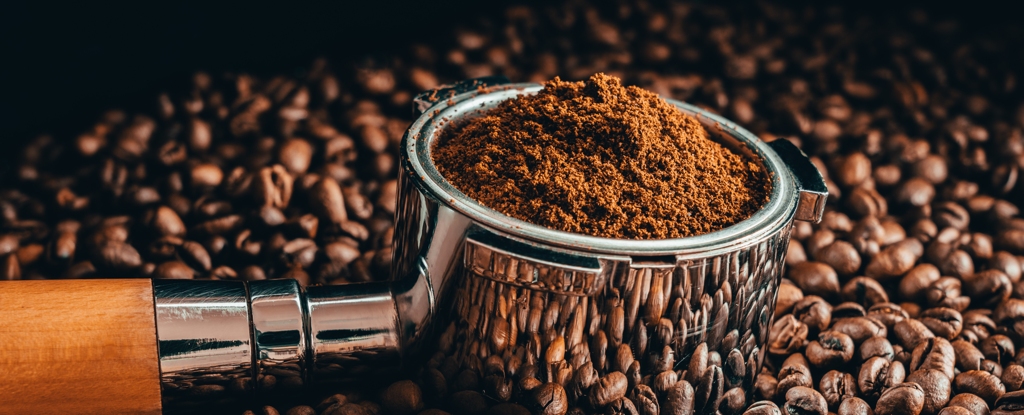
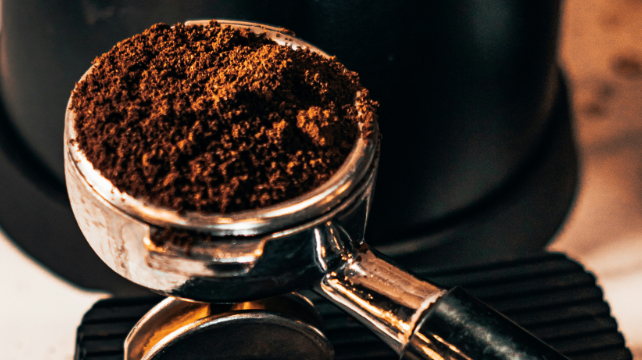
Annually, the globe generates an astonishing 10 billion kilograms (equivalent to 22 billion pounds) of discarded coffee grounds, with the vast majority destined for landfill sites.
“The management of organic refuse presents a significant environmental dilemma, as it releases substantial quantities of greenhouse gases, including methane and carbon dioxide, which exacerbate climate change,” articulated RMIT University engineer Rajeev Roychand during the unveiling of the findings in 2023.
Amidst a flourishing global construction industry, the escalating demand for resource-intensive concrete also introduces a distinct set of ecological challenges.
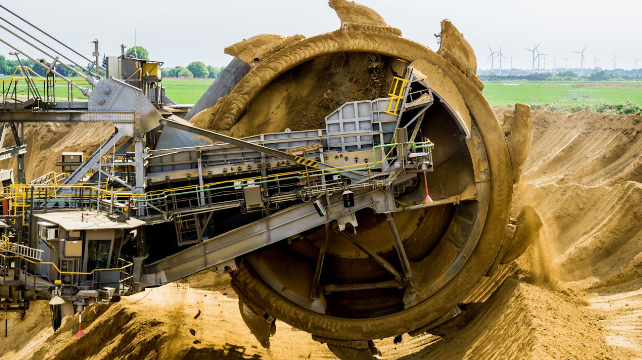
“The continuous depletion of natural sand resources worldwide—primarily extracted from riverbeds and banks—to satisfy the burgeoning requirements of the construction sector exerts a considerable environmental toll,” stated RMIT engineer Jie Li.
“Ensuring a perpetual and sustainable supply of sand is fraught with intricate and enduring obstacles due to the finite nature of these resources and the ecological repercussions of sand extraction. By adopting a circular economy paradigm, we could divert organic waste from landfills while simultaneously affording better protection to our natural assets, such as sand.”
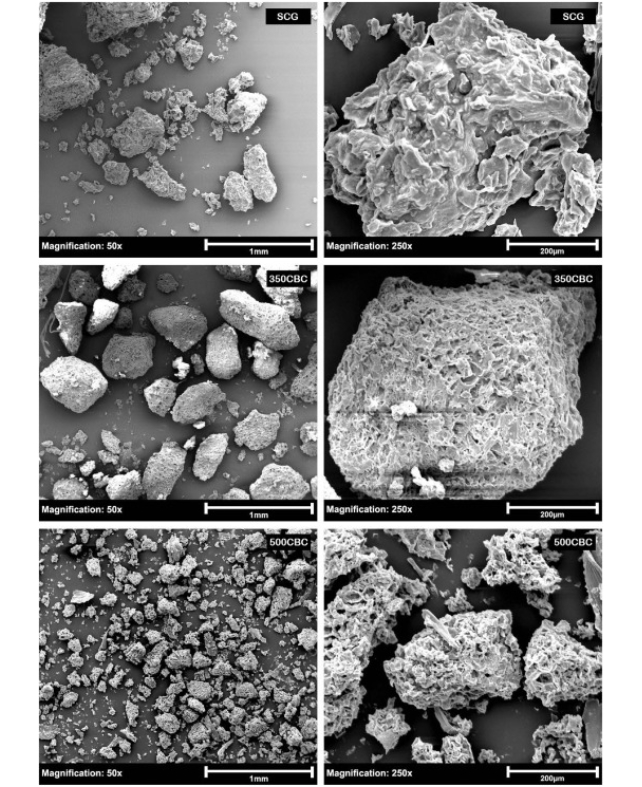
Directly incorporating organic materials like coffee grounds into concrete is not feasible, as they release chemical compounds that compromise the structural integrity of the building material. Consequently, the research team employed low-energy processing, heating the coffee waste to temperatures exceeding 350 °C (approximately 660 °F) in an oxygen-deprived environment.
This thermal decomposition technique is known as pyrolysis. It effectively deconstructs the organic molecular structures, yielding a porous, carbon-rich residue termed biochar, which can form robust bonds and integrate seamlessly within the cement matrix.
Roychand and his collaborators also experimented with pyrolyzing the coffee grounds at 500 °C; however, the resulting biochar particles exhibited diminished structural resilience.
The researchers have advised that further evaluation is necessary to ascertain the long-term performance of their novel cementitious product. Current efforts are focused on assessing the hybrid coffee-cement’s behavior under conditions simulating freeze-thaw cycles, water infiltration, abrasive wear, and a multitude of other stress factors.
Furthermore, the team is actively investigating the production of biochars from an array of alternative organic waste streams, encompassing materials such as wood, discarded food, and residual agricultural matter.
“While our investigation remains in its nascent stages, these promising outcomes present an innovative avenue for substantially reducing the volume of organic waste sent to landfills,” commented RMIT engineer Shannon Kilmartin-Lynch.
“From an Indigenous perspective, a key inspiration for my research involves the principle of Caring for Country, which emphasizes fostering a sustainable life cycle for all materials and preventing the disposal of items into landfills to minimize ecological disruption.”
Their groundbreaking research has been disseminated in the esteemed journal, Journal of Cleaner Production.