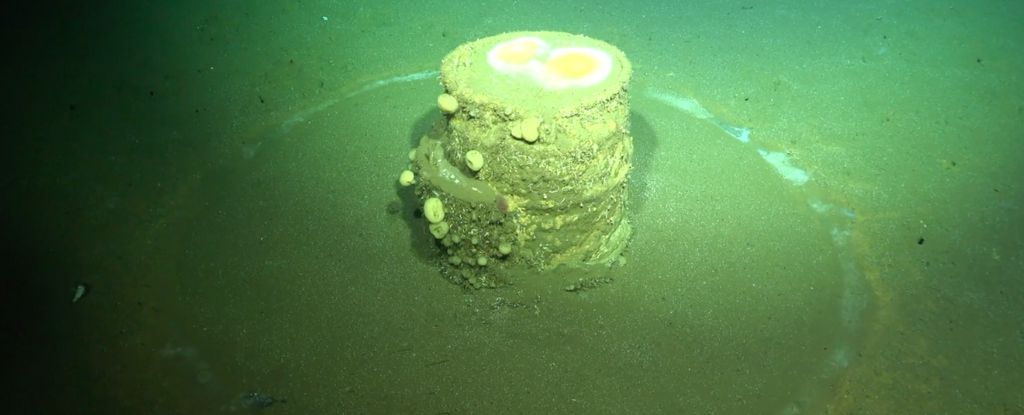
Intriguing white rims encircling submerged chemical waste barrels on the seabed off the California coast have been identified as containing traces of an alkaline substance, offering a significant indication of their genesis.
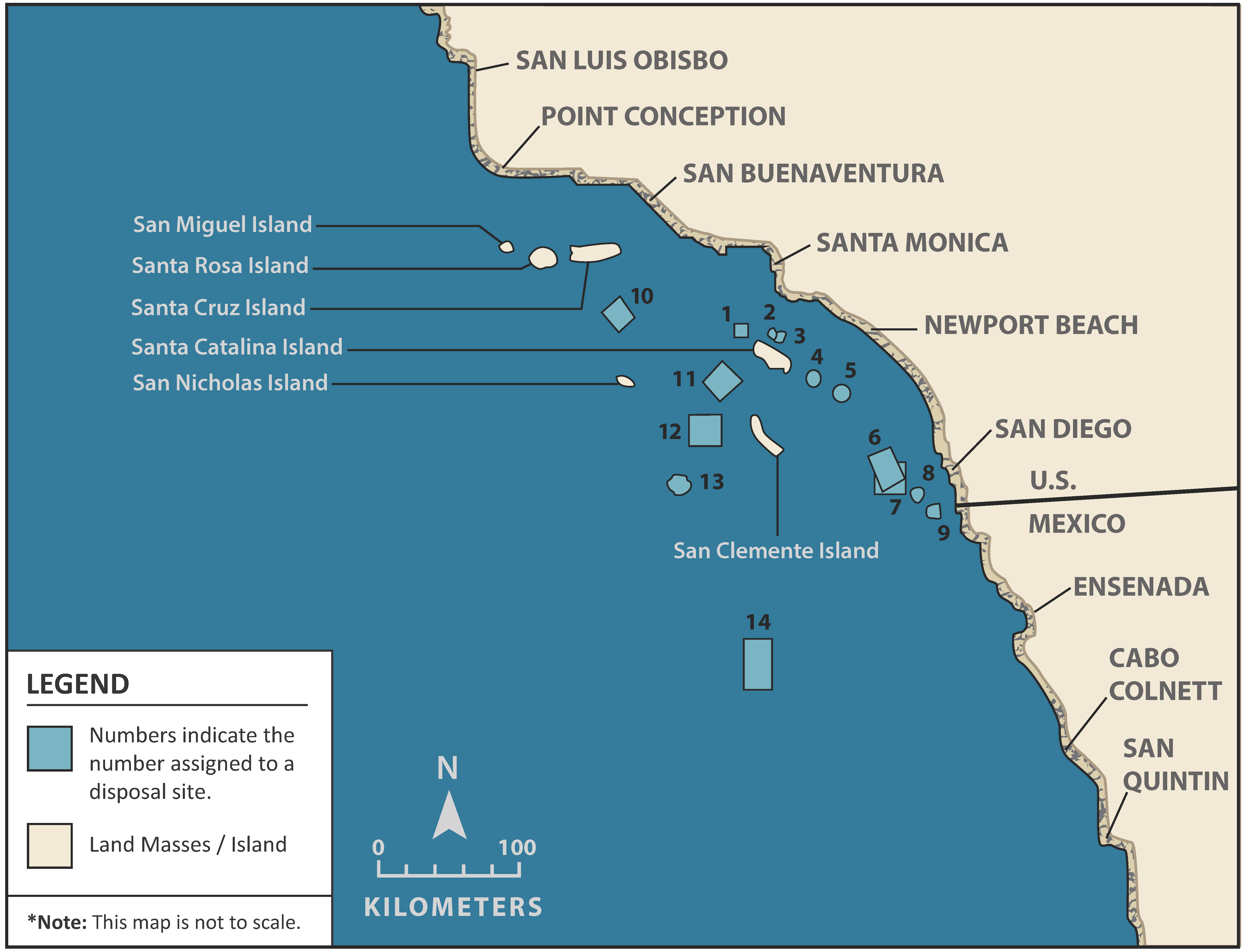
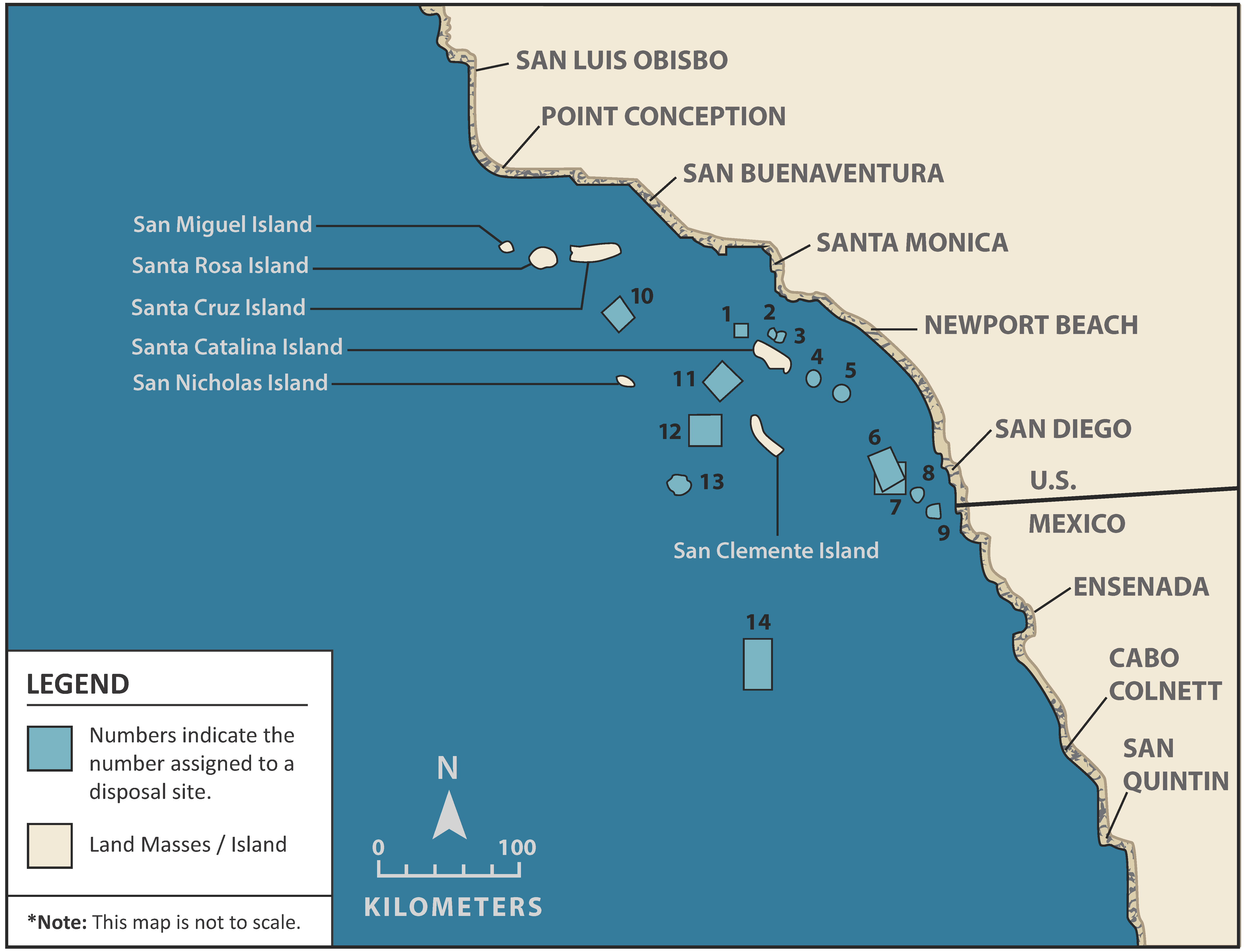
In the 20th century, numerous containers with contents yet to be fully determined were deposited into the Pacific Ocean in proximity to Los Angeles, near Catalina Island. Over the past decade, marine scientists utilizing remotely operated underwater vehicles have frequently encountered their deteriorating remnants.
A recent sonar investigation identified approximately 27,000 such barrels dispersed across the San Pedro basin. This represents only a minor portion of the estimated half-million that may have been disposed of by the DDT manufacturing sector, most notably by the Montrose Chemical Company.
Previous analyses have consistently revealed the presence of the hazardous insecticide in the seabed sediment within this region; however, the barrels themselves have been exonerated as the origin of this contamination.
“Acidic byproducts containing DDT were housed in substantial above-ground storage facilities, subsequently transported to the Port of Los Angeles via tanker trucks. From there, the material was pumped onto Cal Salvage barges, which were then towed to Disposal Site #2 for oceanic deposition,” the EPA stated in 2021.
It was further suggested that the steel barrels likely contained alternative chemical compounds.
New findings from a research initiative spearheaded by Johanna Gutleben, a marine biologist affiliated with the Scripps Institution of Oceanography at the University of California San Diego, corroborate this hypothesis. While DDT and its related byproducts are notably prevalent in the San Pedro basin waters adjacent to the Catalina disposal zone, their concentration does not increase in closer proximity to the barrels, which would be anticipated if the barrels were the primary DDT source.
However, the peculiar white ‘halos’ and solidified encrustations that envelop many of these barrels could serve as a key to understanding their original contents.
Sediment samples meticulously collected from these encircling formations provided additional evidence contradicting the notion that their contents were acidic sludge. In fact, the findings indicate precisely the opposite composition.
“DDT was not the sole substance discharged into this maritime sector, and our comprehension of other dumped materials is exceedingly limited. We tend to discover only what we are actively seeking, and thus far, our focus has predominantly been on DDT,” Gutleben explained.
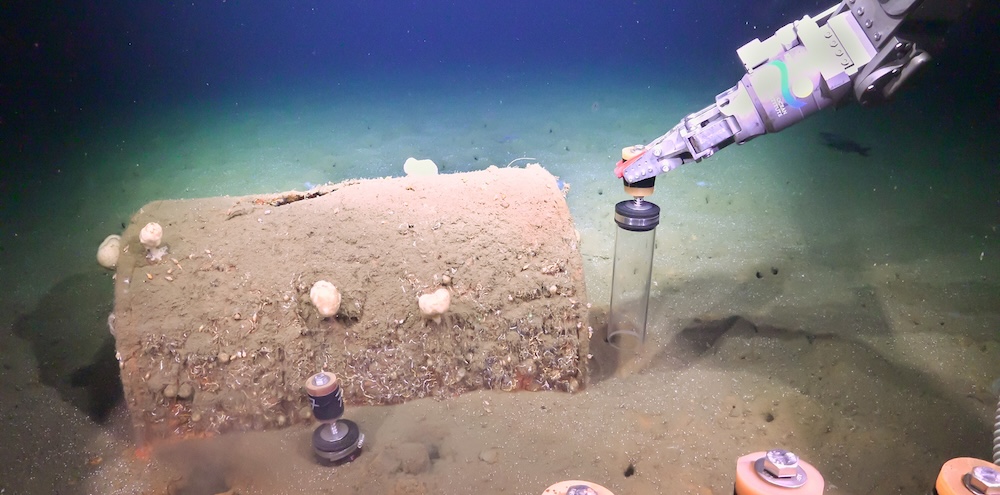
Samples of the sediment surrounding three barrels adorned with halo-rings – some so solidified that the research team had to substitute their conventional core sampling apparatus for a robotic arm to chip away fragments – were retrieved and transported to the laboratory for rigorous analysis.
It was during this phase of examination that Gutleben ascertained the samples to be markedly alkaline, exhibiting a pH level so elevated that the sole microbial inhabitants were those typically found in hydrothermal vents and alkaline hot springs.
“A primary waste stream from DDT production involved acidic components, and these were not confined within barrels,” Gutleben stated. “This prompts the question: what substance, more hazardous than DDT’s acidic waste, necessitated containment in barrels?”
The solidified matrix surrounding the barrels is predominantly composed of a mineral known as brucite. Regardless of the specific waste involved, alkaline compounds appear to be reacting with the magnesium present in the ambient seawater, leading to the formation of a robust, concrete-like material.
As the brucite undergoes dissolution, it continues to augment the pH of the adjacent sediment, consequently precipitating ethereal halos of calcium carbonate.
“This contributes to our comprehension of the ramifications stemming from the disposal of these barrels,” observed Scripps marine biologist Paul Jensen.
“It is astonishing that over 50 years later, these effects are still observable. Without an accurate quantification of the number of barrels exhibiting these white halos, we cannot definitively ascertain the full environmental impact, but it is evident that localized microbial communities are being affected.”