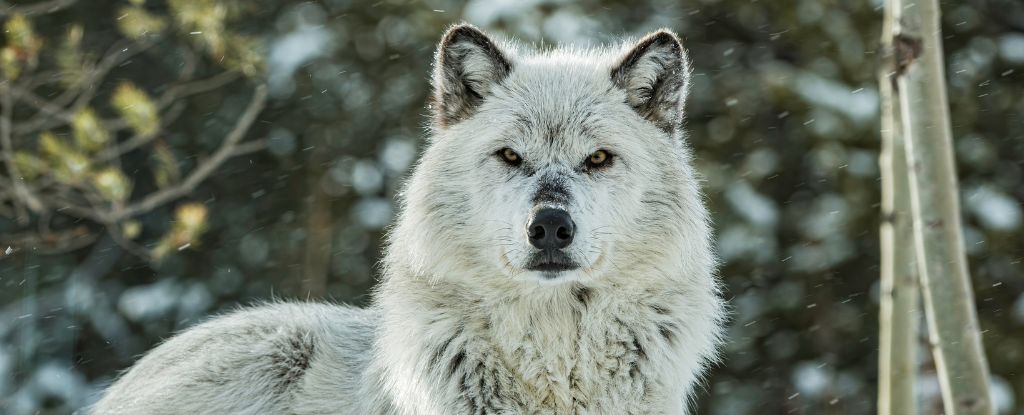
The Yellowstone National Park’s skyline is being revitalized by aspen regrowth, emerging after many years of contentious debates surrounding the reintroduction of wolves into the park’s ecological framework.
The successful establishment of a new aspen canopy, the first in eight decades, serves as validation for conservation advocates. These proponents have tirelessly championed the protection and reintegration of apex predators, recognizing their indispensable role in fostering self-sustaining park ecosystems.
The intricate relationship between wolf populations (Canis lupus) and quaking aspen trees (Populus tremuloides) was not readily apparent when these canid predators were extirpated from the park in the 1920s. This eradication stemmed from governmental control initiatives that promoted the hunting of predators like wolves, coyotes, and cougars.
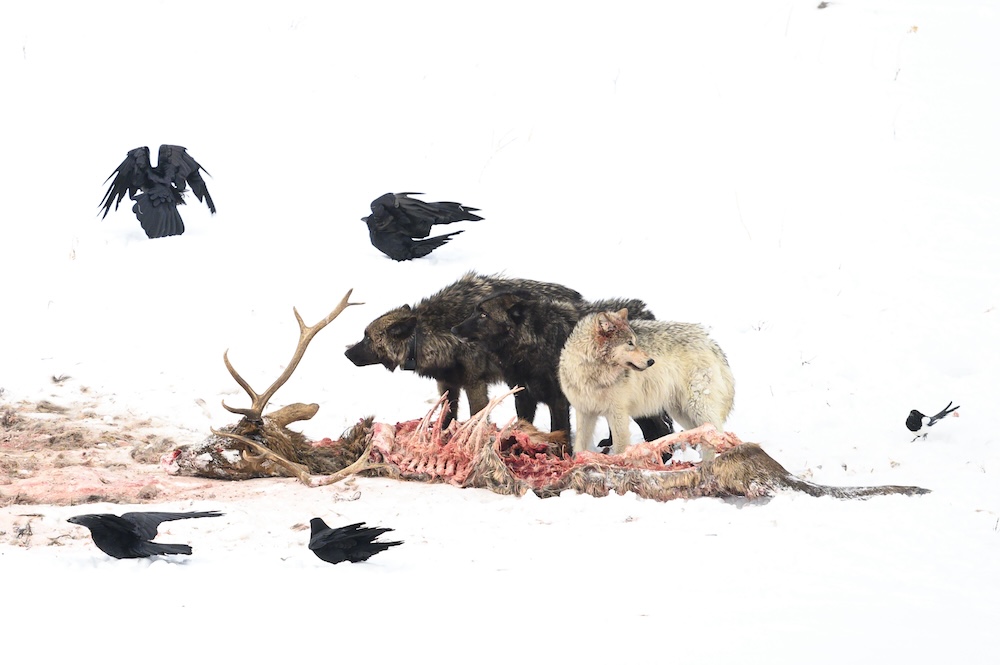
Among the wolf’s primary prey are elk (Cervus canadensis), which often debark and consume young aspen and cottonwood saplings, and damage exposed soils with their hooves. When regulated by natural predation, elk populations, and consequently the damage they inflict through browsing and trampling, remain limited. However, in the absence of wolves, their numbers escalate, leading to overgrazing of young trees.
As far back as 1934, a scientific contingent observed that “the range was in deplorable condition when we first saw it [in 1929], and its deterioration has been progressing steadily since then.”
As mature aspen groves naturally declined, no new saplings emerged to replace them. Consequently, species dependent on these mature trees, such as beavers and cavity-nesting birds, found their habitats severely compromised. The ecosystem was visibly deteriorating due to the absence of wolves.
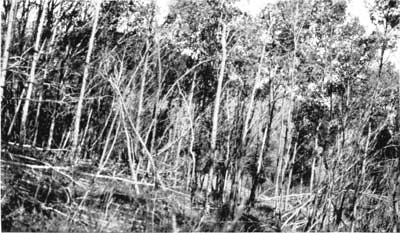
Following decades of advocacy, wolves were successfully reintroduced to the park in 1995. After acclimatizing, a population introduced from Canada’s Jasper National Park assumed its natural role of preying on elk, thereby indirectly safeguarding young trees. Given the scarcity of mature canopy trees, many current aspen stands faced an imminent threat of decline without a new generation of saplings.
Now, after a thirty-year period, these wolves have facilitated the growth of a new cohort of aspen trees, marking the first time an overstory has been established in the park since the 1940s. These thriving tree stands, having successfully navigated the critical sapling phase, stand as a testament to the efficacy of the wolf reintroduction initiative and the vital importance of keystone predators in maintaining ecological equilibrium.
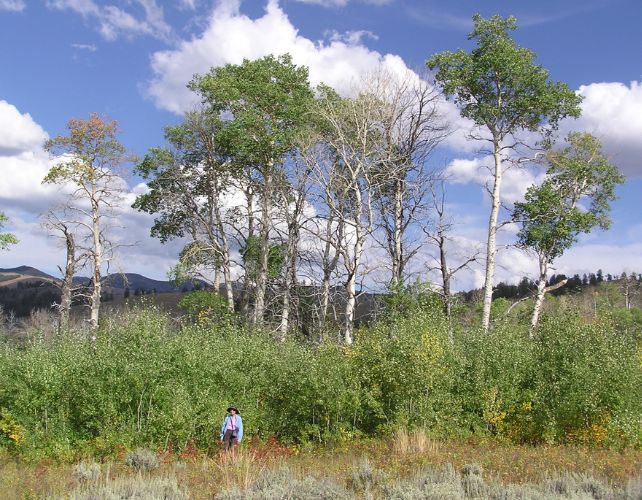
“The reintegration of large carnivores has initiated a recovery process that had been dormant for decades,” stated Luke Painter, an ecologist at Oregon State University who spearheaded the research.
“Approximately one-third of the 87 aspen stands we surveyed exhibited a substantial presence of tall saplings, a dramatic improvement from the 1990s when investigations found none at all.”
Within their scholarly work, Painter and his colleagues define saplings as trees under 2 meters (approximately 6.6 feet) in height or those with trunks narrower than 5 centimeters in diameter at breast height (dbh). Trees are classified as having trunks with a dbh exceeding 5 centimeters.
Of the total stands examined, 43 percent contained new, young trees that had surpassed this diameter threshold. Furthermore, since 1998, the density of saplings exceeding 2 meters in height has increased by an astonishing 152-fold, significantly enhancing their prospects for long-term survival.
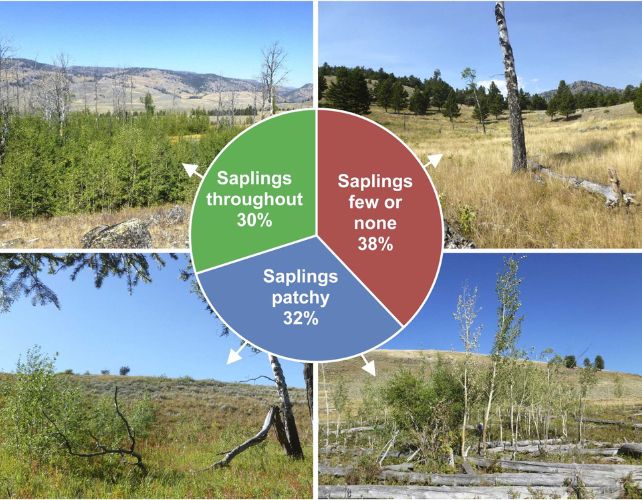
To definitively attribute this positive trend to the reintroduction of wolves, rather than extraneous factors such as climate change, the research team also quantified the rate of elk browsing on the trees. Stands with abundant tall saplings, it was discovered, exhibited significantly lower browsing intensity. Conversely, stands still subjected to heavy grazing by elk were not yielding new forest regeneration.
This observation, according to Painter, clearly indicates that the trees’ recovery is a manifestation of a top-down trophic cascade.
“This represents an extraordinary instance of ecological remediation,” Painter asserts. “The reintroduction of wolves is instigating enduring ecological transformations that contribute to enhanced biodiversity and habitat variety.”