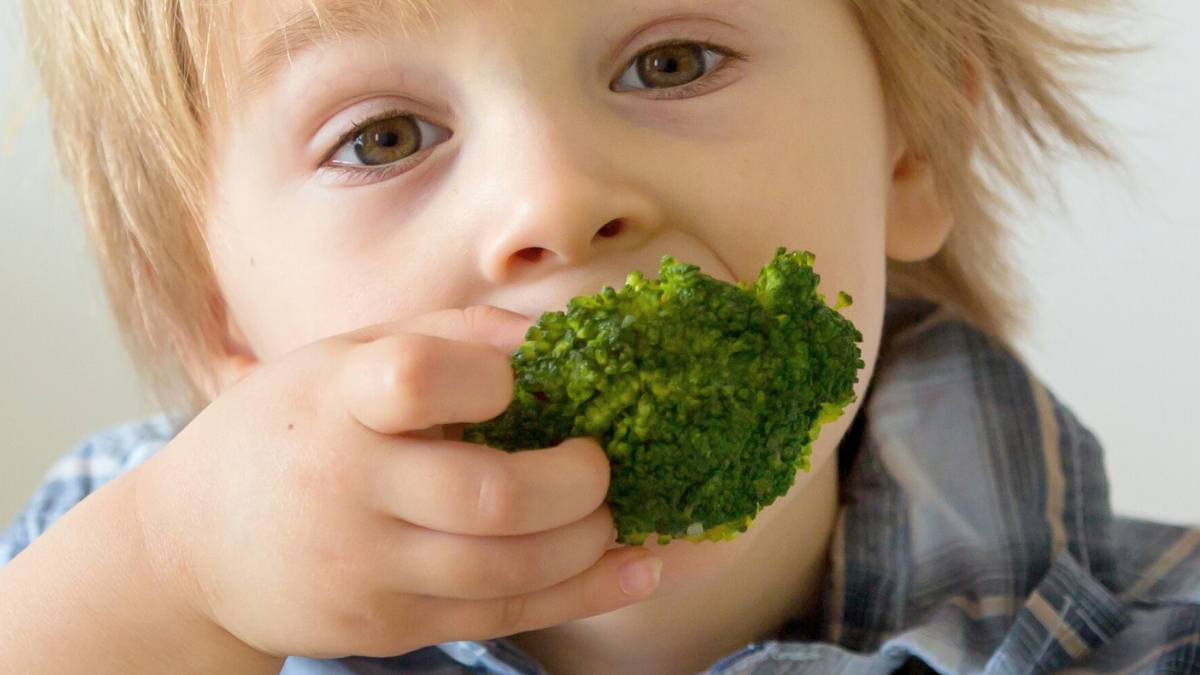
It’s 5:45 in the evening, and you’ve just returned home after an arduous day at the office. Your only desire is to unwind with a glass of pinot and revisit cherished episodes of your favorite television series. Suddenly, young Sally, your adventurous 8-year-old epicure, enters the kitchen, announcing, “I’m famished; what’s available for supper?”
Sally exhibits an adventurous spirit when it comes to culinary exploration, unafraid to sample any dish presented to her. You envision her relishing the piquant flavor of oysters and delightedly consuming steaming bowls of spicy ramen.
Before you can formulate a response, Billy, your 4-year-old with a decidedly selective palate, exclaims from the living room, “Mac and cheese!” Billy’s dietary repertoire is remarkably limited, typically revolving around three mainstays: boxed macaroni and cheese, chicken nuggets (specifically those shaped like dinosaurs), and spaghetti.
A sigh escapes you as you contemplate how such diametrically opposed palates came to coexist within the same household.
Should this domestic tableau resonate with your own experiences, rest assured you are far from alone. As a nutritional neuroscientist and a parent, I have dedicated a significant portion of my professional and personal endeavors to comprehending the underlying reasons behind children’s food choices.
Grasping the mechanisms by which food preferences are cultivated can empower parents to guide their children towards embracing a broad, varied, and healthful dietary pattern.
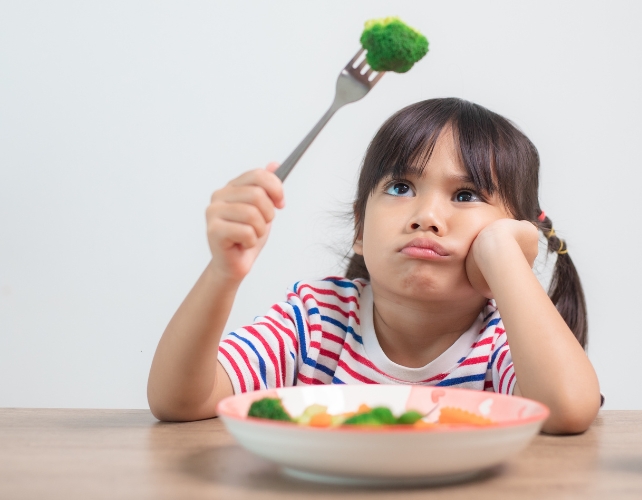
Innate Tendencies Versus Environmental Influences
Are genetic factors the primary culprits behind the selective eating habits observed in children like Billy? While genetics certainly contribute, their influence often accounts for only a minor fraction of the overall picture.
Humans are predisposed to favor sweet tastes and reject bitter ones. These innate responses are believed to serve a protective function, guiding individuals towards calorie-rich sources – often sweet, such as fruits or breast milk – while steering them away from potential toxins, which frequently possess a bitter flavor.
Illustrating these innate preferences, one study documented that expectant mothers who consumed sweet carrot supplements during pregnancy had fetuses that demonstrated positive facial expressions on ultrasound imaging. Conversely, those who ingested bitter kale capsules observed fetuses exhibiting grimaces, indicating an early aversion to bitter compounds.
Beyond these inherent reactions, specific genes play a role in an individual’s capacity to discern bitter constituents. These chemical compounds, known as thioureas, share similarities with those found in cruciferous vegetables.

Individuals inheriting genetic variants that heighten their sensitivity to these bitter compounds – a group encompassing approximately 70% of the U.S. populace – tend to exhibit a greater aversion to other bitter flavors in food. Consequently, they may express a dislike for items such as raw broccoli, black coffee, and grapefruit.
Nevertheless, a considerable number of individuals develop an appreciation for bitter foods, even if their initial exposure was not entirely positive. A compelling illustration of this phenomenon is the escalating popularity of intensely hopped (IPA) beers.
Another genetic factor that can influence gustatory preferences is the gene responsible for the perception of cilantro as soapy. Those who inherit a version of this olfactory gene – constituting up to 20% of Americans – possess a heightened sensitivity to aldehyde compounds, which often register as a soapy taste. This specific gustatory experience frequently leads to a rejection of cilantro.
Pavlovian Principles and Food Preferences
While genetic predispositions offer a partial explanation for taste perception, a person’s environmental interactions with food play a particularly significant role in shaping their dietary inclinations.
Ivan Pavlov, a distinguished 19th-century experimental physiologist, demonstrated how canines could be trained to salivate in response to an auditory stimulus. He subjected them to a conditioning regimen where mealtimes were consistently synchronized with the ringing of a bell. Most animals possess an inherent capacity to forge associations between environmental cues – such as a feeding dish or the sound of their owner’s vocalizations – and the act of eating.
During the early 1980s, psychologist Leann Birch conducted a series of groundbreaking studies revealing that humans develop food preferences through a mechanism akin to Pavlov’s classical conditioning.
When the sensory experience of a food is linked with positive outcomes – such as a substantial caloric intake, the liberation of rewarding neurochemicals within the brain, or the soothing cadence of a mother’s voice – these affirmative associations can bolster an individual’s affinity for that particular food.
Conversely, adverse experiences, such as a bout of intense stomach discomfort or a punitive measure associated with consuming a certain food – “You must finish your vegetables before earning screen time!” – can often diminish a person’s positive regard for that food.
Infants even commence the process of food learning prior to birth. In a seminal investigation by biopsychologist Julie Mennella, expectant mothers who imbibed carrot juice regularly in the days leading up to and during their breastfeeding period had infants who exhibited greater receptivity to carrot-flavored cereal upon its initial introduction.
Flavors that are transferred via amniotic fluid to the developing fetus essentially primes the infant to accept the established culinary traditions of the family unit.
Encouragement for Fussy Eaters
The encouraging news is that for the majority of children, the phase of picky eating tends to subside as they approach school age. Furthermore, if children are maintaining healthy growth trajectories, this often presents no cause for significant parental concern.
For parents striving to broaden their children’s gustatory horizons, the paramount strategy involves providing consistent opportunities for children to sample foods without imposing pressure or resorting to coercion.
Certain children may necessitate a dozen or more exposures to a novel food before they are willing to accept it. Some youngsters might also prove more amenable to trying new foods in different settings, such as at school or in daycare, even if they resist doing so in their parents’ presence.
Regarding Sally and Billy, you have successfully managed to present dinner precisely on schedule. Your latest culinary creation: kimchi macaroni and cheese accompanied by baked cauliflower, with an extra dash of Sriracha for Sally.
Your hope is that the familiar form of the boxed mac and cheese noodle might entice Billy to take a tentative bite. And if not, there is always the prospect of tomorrow.