A collaborative international research consortium has recently presented compelling evidence that the antibody NG101 facilitates the restorative process in injured spinal cord tissue. Under the distinguished guidance of scholars from the University of Zurich and Balgrist University Hospital, the group has now, for the first time, elucidated the precise mechanisms by which this therapeutic intervention operates. This novel antibody, through its remarkable capacity to foster the development of new neural pathways, enables the re-establishment of functional interconnections, thereby enhancing patient autonomy.
Spinal cord trauma, frequently precipitated by athletic mishaps or vehicular collisions, can lead to debilitating conditions such as tetraplegia or paraplegia, profoundly compromising an individual’s capacity for independent living. Towards the conclusion of 2024, an international research collective, spearheaded by the University of Zurich (UZH) and Balgrist University Hospital, successfully concluded a multinational clinical investigation. This trial involved patients with recent spinal cord injuries who received treatment with the innovative antibody NG101, demonstrating significant positive outcomes. The findings indicated that NG101 accelerates the resolution of spinal cord lesions and concurrently safeguards existing neural structures.
Antibody Inactivates Detrimental Protein
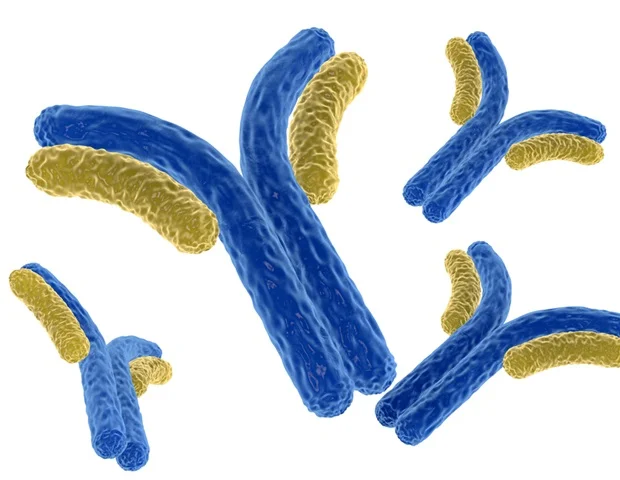
NG101, an antibody initially identified at UZH approximately three decades ago, is specifically engineered to target the protein Nogo-A. This protein is intrinsically present within the protective sheaths encasing nerve fibers in both the brain and the spinal cord. Following an acute spinal cord injury, Nogo-A impedes the regenerative capabilities of damaged nerve fibers. By neutralizing Nogo-A, NG101 effectively dismantles this impediment to axonal regrowth and repair, thereby invigorating the regeneration of nerve fibers and promoting the functional recovery of compromised spinal cord tissue.
Observable Structural Changes Within the Spinal Cord
The most recent investigation undertaken by the research cadre has unveiled another crucial element of this intricate biological process.
Through the application of sophisticated imaging modalities in our recent study, we have successfully provided the inaugural in-situ visualization of this antibody therapy’s direct effects within the spinal cord.”
Patrick Freund, UZH Professor and Director of the Spinal Cord Injury Center at Balgrist University Hospital
The data acquired through magnetic resonance imaging revealed a dual impact. Primarily, the presence of NG101 correlated with accelerated healing of spinal cord injuries, suggesting that nerve fibers were indeed regenerating within the tissue adjacent to the lesion site. Secondly, there was a marked deceleration in nerve tissue degradation, a process effectively counterbalanced by the proliferation of new nerve fibers. Prior experimental studies conducted on animal models by the researchers had already underscored the paramount importance of this regenerative phase. This is attributed to the imperative for newly generated nerve fibers to successfully navigate across or circumvent the damaged area to re-establish the crucial neural pathways that connect the brain to the spinal cord.
Formation of Novel Connections with Peripheral Nerves
The latest findings from this research group strongly indicate that NG101 plays a pivotal role in facilitating this precise regenerative mechanism. “This therapeutic action enables surviving and newly regenerated nerve fibers to forge renewed connections with the spinal cord centers responsible for controlling nerve signals to the extremities, including the hands, arms, and legs,” explained Freund, who spearheaded the study. “These re-established connections are fundamentally vital for transmitting neural commands from the brain to the musculature.” Consequently, for a subset of patients, this translates into an enhanced likelihood of regaining functional capabilities in their arms and hands.
Beyond its demonstrated efficacy in improving spinal cord function, NG101 has also been observed to induce structural modifications within the spinal cord, thereby actively supporting the regeneration of neural tissue. This represents a significant advancement towards the development of novel and efficacious therapeutic strategies for spinal cord injuries. “We are now equipped to visualize the therapeutic impact at an early stage and in an objective manner,” stated Freund. “This capability opens avenues for more strategic deployment of future treatments and facilitates a more robust assessment of their long-term outcomes.”
Farner, L., et al. (2026). Anti-Nogo-A NG101 treatment induces changes in spinal cord micro- and macrostructure following spinal cord injury. Nature Communications. DOI: 10.1038/s41467-026-71412-0. https://www.nature.com/articles/s41467-026-71412-0