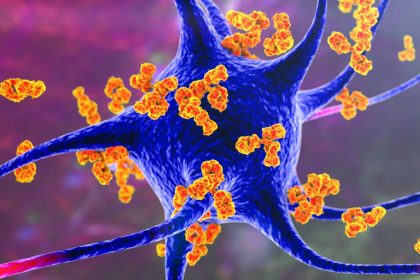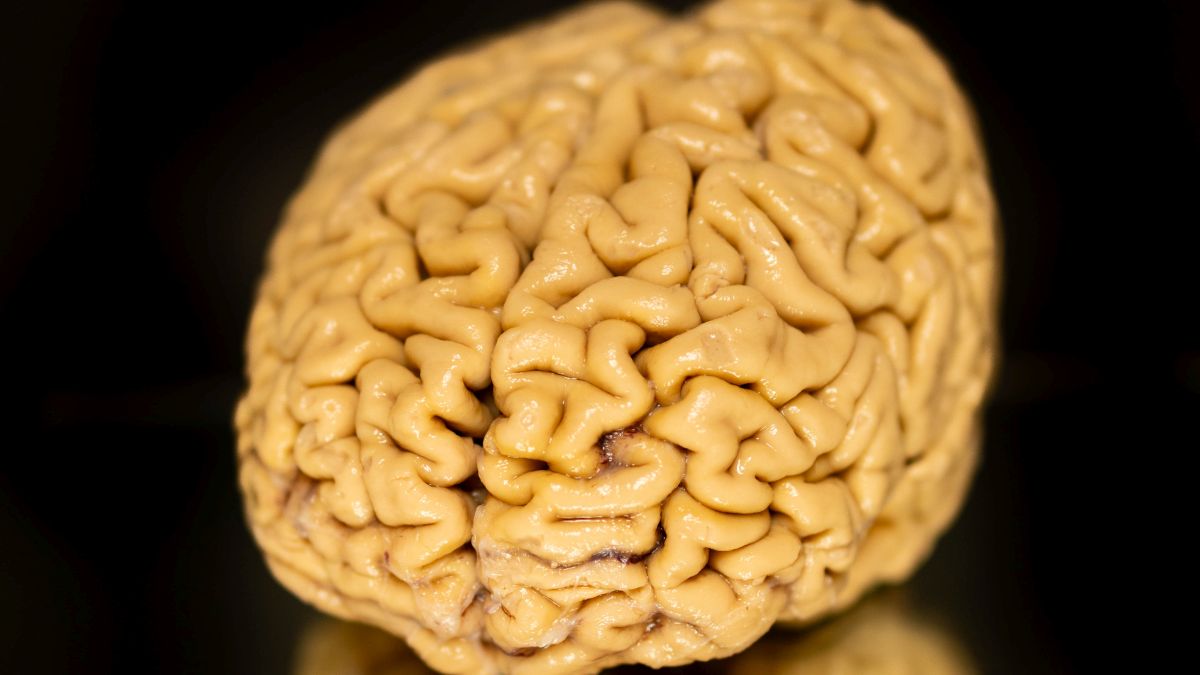
Recent scientific findings indicate that not only do our cerebral mechanisms continue to generate novel neurons throughout adulthood, but exceptionally aged individuals, or “superagers,” exhibit a significantly greater quantity of developing brain cells compared to their healthy counterparts.
An in-depth investigation involving 38 human brains, generously bequeathed for scientific study, revealed that superagers—individuals who maintain exceptional mnemonic capabilities into their later years—possess approximately double the number of immature neurons when contrasted with those experiencing more typical age-related cognitive changes.
Furthermore, evidence suggests that individuals diagnosed with Alzheimer’s disease exhibit a pronounced diminution in neurogenesis when measured against a standard baseline.
“This represents a substantial advancement in our comprehension of how the human brain processes cognitive functions, consolidates memories, and undergoes the aging process,” stated neuroscientist Orly Lazarov from the University of Illinois Chicago.
“Ascertaining the factors that contribute to healthier brain aging among certain individuals could empower researchers to develop therapeutic interventions aimed at promoting healthy aging, bolstering cognitive resilience, and preventing conditions like Alzheimer’s disease and associated forms of dementia.”
A persistent scholarly discourse has revolved around the question of whether adult humans continue to produce new neurons within the hippocampus, the brain’s memory-encoding region. Historically, the prevailing scientific consensus was that the brain an individual was born with remained static throughout their lifetime.
However, in 1998, a seminal publication challenged this established notion, presenting evidence suggesting that adults might indeed still generate new neurons. Subsequent research efforts corroborated this finding; yet, a contrasting assertion emerged in 2018, positing that neurogenesis effectively ceases during adolescence, according to neuroscientist Shawn Sorrells and his research associates. This divergence of opinion has fueled considerable debate on the subject.
Nevertheless, other contemporary studies have indicated that the presence or absence of neurogenesis may be implicated in the pathogenesis of Alzheimer’s disease.
Under the direction of investigators at the University of Illinois Chicago, the research collective embarked on an examination of diverse postmortem hippocampal tissue samples to ascertain the presence of neurogenesis markers and to identify any significant disparities among distinct demographic groups.
The brain specimens were procured from five distinct cohorts: eight healthy young adults, aged between 20 and 40 years; eight healthy older adults, aged between 60 and 93 years; six superagers, aged between 86 and 100 years; six individuals exhibiting preclinical Alzheimer’s pathology, aged between 80 and 94 years; and ten individuals formally diagnosed with Alzheimer’s, aged between 70 and 93 years.
Initially, the cerebral tissue from young, healthy adults was analyzed to delineate the pathways of neurogenesis operative within the adult brain. Subsequently, the researchers meticulously examined 355,997 individual cell nuclei extracted from the hippocampus, diligently searching for cells representing three distinct developmental phases: Stem cells, possessing the capacity to differentiate into neurons; neuroblasts, which are stem cells actively undergoing this developmental progression; and immature neurons, on the cusp of achieving full functionality.
The outcomes of this rigorous analysis were profoundly compelling.
“Superagers demonstrated twice the rate of neurogenesis observed in other cognitively healthy elderly individuals,” commented Lazarov. “There appears to be an intrinsic factor within their brains that facilitates the preservation of superior memory function. I posit that hippocampal neurogenesis is the pivotal element, and the accumulated data strongly supports this hypothesis.”
While this finding is inherently significant, the data derived from individuals with preclinical Alzheimer’s pathology and those diagnosed with Alzheimer’s offers the most substantive insights from the study.
Within the preclinical cohort, subtle molecular indicators suggested an incipient deterioration of the infrastructure supporting the generation of new neurons. In the Alzheimer’s cohort, a discernible deficit in immature neurons was unequivocally observed.
A comprehensive genetic analysis of the isolated nuclei further revealed that the neural cells of superagers exhibit heightened gene expression associated with robust synaptic connections, enhanced plasticity, and increased production of brain-derived neurotrophic factor (BDNF), a vital protein indispensable for neural survival, growth, and ongoing maintenance. Collectively, these three physiological attributes can be construed as indices of resilience.
“We have long posited that superagers exemplify the potential for the aging brain to remain biologically active, adaptable, and flexible, yet the underlying mechanisms remained elusive,” observed neuropsychiatrist Tamar Gefen from Northwestern University in the United States.
“This research provides definitive biological evidence of their brains’ heightened plasticity and constitutes a genuine discovery, underscoring the potential contribution of neurogenesis involving young neurons within the hippocampus to this phenomenon.”
Further investigative endeavors, according to the research team, hold the promise of identifying therapeutic strategies to augment neurogenesis and resilience, alongside potential environmental and lifestyle influences that may impact the brain’s aging trajectory.
“The public will find it encouraging that this study demonstrates that the aging brain is not a static entity or destined for inevitable decline,” concluded cell biologist Ahmed Disouky of the University of Illinois Chicago, the study’s lead author.
“Understanding the biological underpinnings of how certain individuals naturally sustain neurogenesis paves the way for developing interventions that could empower a greater number of adults to preserve their memory and cognitive vitality as they advance in years.”