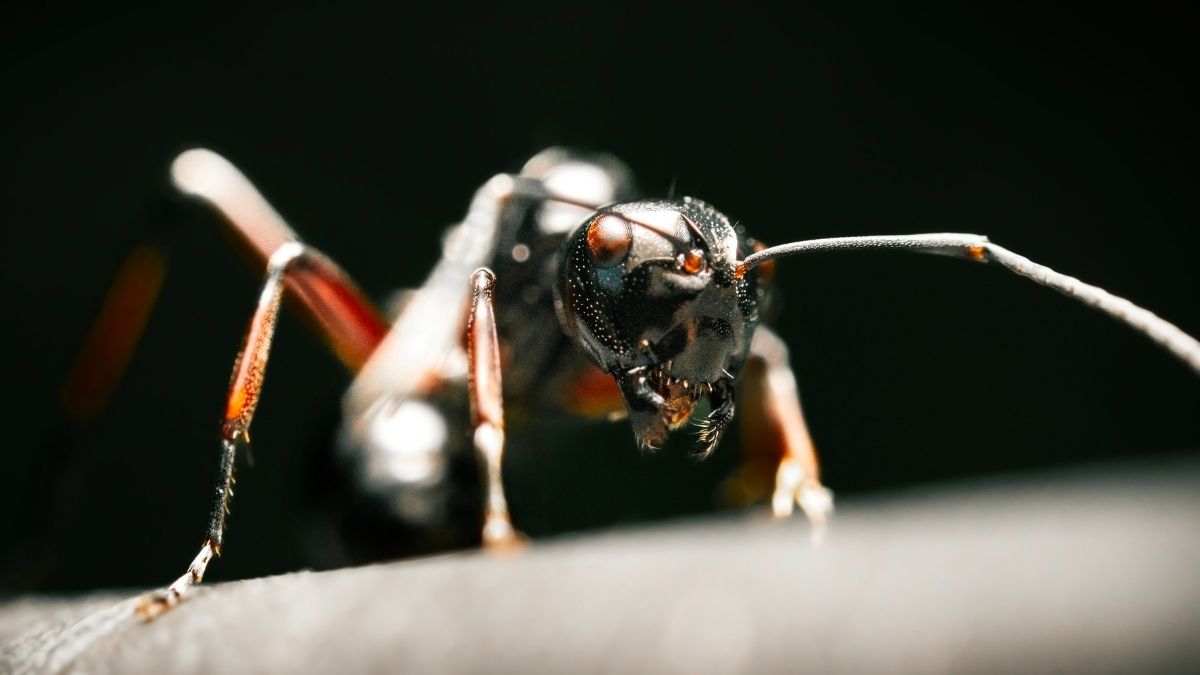
The olfactory communication system is fundamental to ant communal structures; each member of a colony is identifiable by a distinct chemical signature, essentially a scent-based emblem of belonging. Emerging research from scholars at the Max Planck Institute indicates that prevalent atmospheric contaminants, a byproduct of human industrial activities, are profoundly disrupting these intricate scent-based social dynamics within ant populations.
The characteristic aroma profile of each ant species is synthesized from robust alkanes, augmented by a unique colony-specific blend of alkenes. These particular alkenes are highly susceptible to chemical reactions with ozone, an oxidizing atmospheric pollutant whose concentrations have been exacerbated by anthropogenic endeavors.
In environments distal to metropolitan centers, ambient ozone concentrations typically hover around 10 parts per billion. Conversely, urban atmospheres can exhibit ozone levels ranging from 30 to a significant 200 parts per billion, a variation directly correlated with prevailing pollution metrics.
“Our investigative objective was to ascertain whether exposure to elevated ozone concentrations would induce alterations in the ants’ olfactory markers, subsequently triggering aggressive responses upon their reintegration into the colony,” stated Nan-Ji Jiang, the principal investigator of the study.
The experimental findings corroborated this hypothesis. The research team subjected ants from six distinct species to an ozone-polluted atmospheric environment, with concentrations maintained at 100 parts per billion, a level analogous to that found in heavily polluted urban settings during summer months.
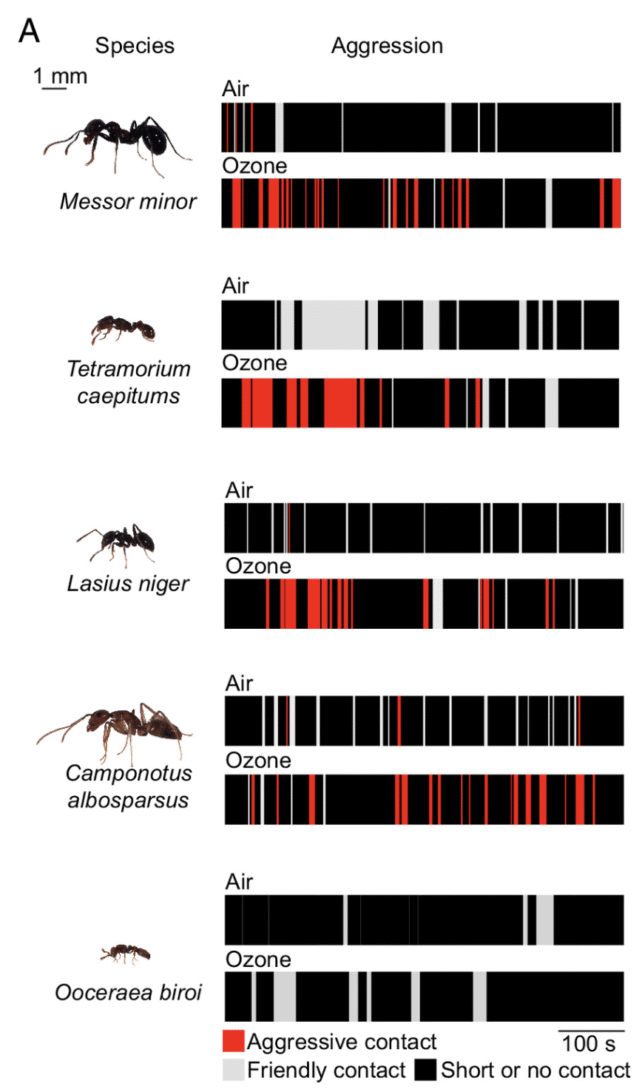
Even a brief 20-minute exposure to ozone levels characteristic of urban areas had a substantial detrimental effect on the ants, compromising the alkenes crucial for differentiating between associates and adversaries.
The degradation of alkenes was documented within the cuticular hydrocarbons of all six investigated ant species. In five of these species, this chemical alteration severely impaired nest-mate recognition, to the extent that ants from the same colony began to exhibit aggressive behaviors, including threats and physical attacks, towards their ozone-exposed counterparts.
“We had anticipated that ozone exposure might affect the identification of nest mates, given our knowledge that ants possess at least trace quantities of readily degradable alkenes on their exteriors,” commented Markus Knaden, a specialist in chemical ecology. “However, the profound behavioral shifts observed following ozone exposure were unexpected. It appears that, despite their minimal concentration, alkenes play an extraordinarily vital role in defining the unique scent profile of a colony.”
In a separate experimental phase, intact ant colonies, including vulnerable larval broods under their care, were exposed to ozone concentrations typical of urban environments. This atmospheric pollution was found to “corrupt brood care behaviors within the ant colonies, leading to the mortality of the larvae,” as reported by the study’s authors.
The global ant population, estimated to comprise approximately 30,000 species, accounts for a biomass comparable to that of all avian and mammalian life combined. These insects perform vital ecological functions such as soil aeration, seed dispersal, and waste decomposition. Their intricate societal structures offer valuable insights, from which humanity could potentially learn a great deal.
While factors like pesticides, climate shifts, and habitat destruction are commonly cited as drivers of global insect decline, this investigation serves as a critical reminder that human activities may be disrupting insect societies in unforeseen ways.
“Previous research has already demonstrated that oxidizing pollutants, such as ozone, can negatively impact the interactions between flowers and their pollinators, as well as disrupt pheromonal communication essential for reproduction in various fly species,” the researchers noted. “Our findings suggest that the deleterious consequences of oxidant pollutants might extend even further, posing a threat to the operational integrity of complex eusocial colonies.”
This significant research has been published in the peer-reviewed journal, Proceedings of the National Academy of Sciences.