Groundbreaking new scientific inquiry suggests that two potent constituents derived from the cannabis plant possess the capacity to ameliorate fatty liver disease in murine subjects, without inducing psychoactive effects.
A comprehensive investigation spearheaded by researchers at the Hebrew University of Jerusalem in Israel has indicated that both cannabidiol (CBD) and cannabigerol (CBG) demonstrate efficacy in enhancing glycemic regulation, diminishing hepatic fat accumulation, and reducing circulating lipid levels within obese mice.
Intriguingly, these beneficial outcomes were largely achieved by both phytocannabinoids independently of the conventional cannabinoid receptors, which are pivotal in mediating intercommunication between the gastrointestinal tract and the liver.
Rather, the daily parenteral administration of either CBD or CBG into the abdominal cavity of the rodents stimulated the biosynthesis of phosphocreatine, a creatine derivative released by the liver to facilitate the augmentation of energy reserves and preserve cellular vitality.
Following the induction of a high-fat diet regimen in the test subjects, the administration of CBD and CBG led to a partial restoration of hepatic functionality after a four-week intervention period.
CBG exhibited a particularly pronounced effect, eliciting a more substantial reduction in adiposity, a decrease in low-density lipoprotein (LDL) cholesterol, and an improvement in insulin sensitivity among the obese mice compared to CBD.
“Our findings delineate a novel pathway through which CBD and CBG enhance hepatic energy metabolism and lysosomal function,” stated pharmacist and senior investigator Joseph Tam.
“This dual-action metabolic remodeling contributes to improved hepatic lipid management and positions these compounds as promising therapeutic candidates for metabolic dysfunction-associated steatotic liver disease (MASLD).”
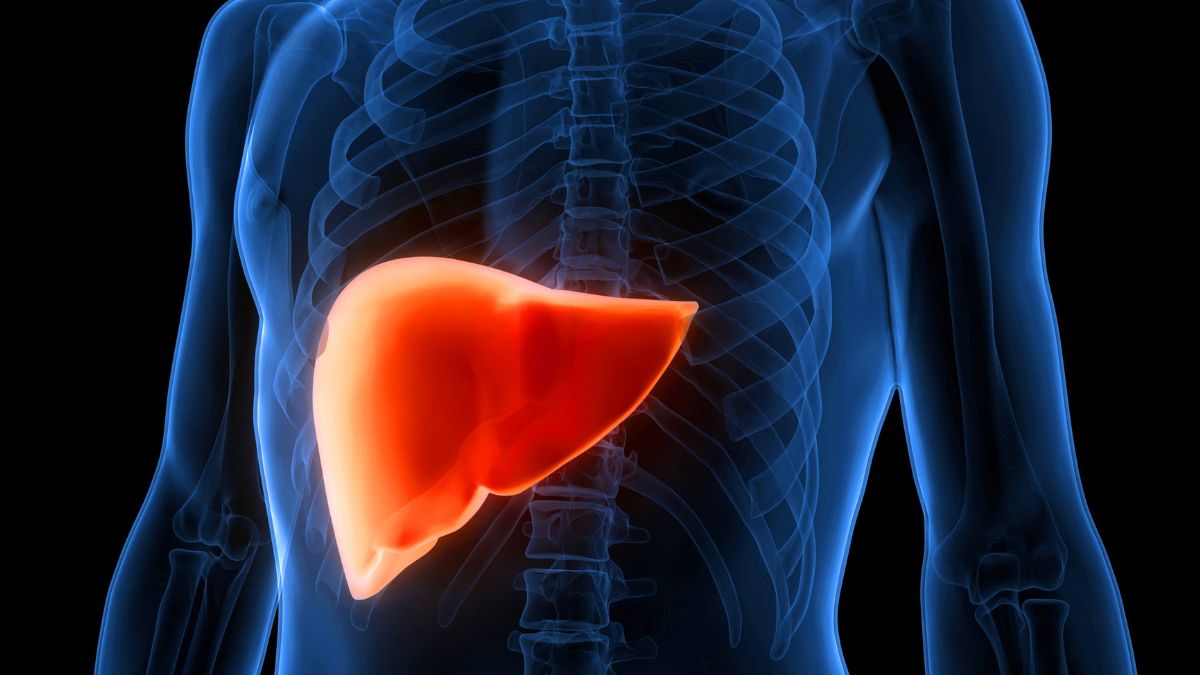
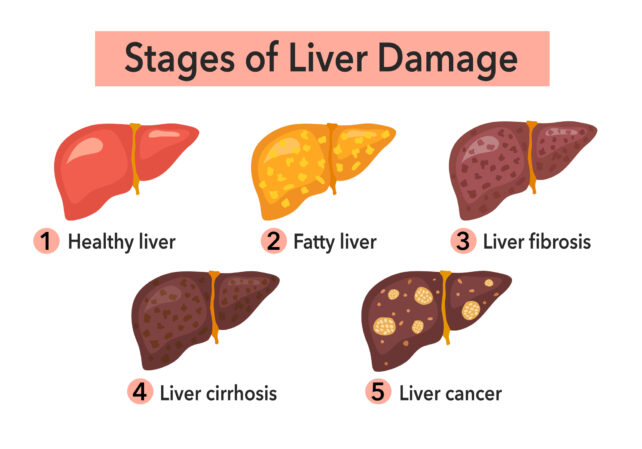
MASLD is characterized by the excessive accumulation of lipids within the liver. It is a distinct pathology from alcohol-induced liver damage and has emerged as the predominant form of chronic liver ailment globally, affecting approximately one-third of the adult human population worldwide.
However, MASLD transcends being solely a hepatic condition; it is also classified as a systemic metabolic disorder. Recent investigations employing animal models have posited that naturally occurring bioactive compounds sourced from the cannabis plant may offer potential therapeutic avenues.
CBD stands as one of the most recognized and thoroughly investigated constituents of the cannabis plant. While the existing research remains somewhat constrained and exhibits variability, certain studies indicate that this compound may exert beneficial metabolic influences.
In parallel, CBG has recently gained prominence as an alternative cannabinoid with the potential to yield even greater health advantages than CBD. It is colloquially known as the “mother of all cannabinoids” due to its rapid metabolic conversion into CBD and delta-9-tetrahydrocannabinol (THC), the psychoactive component of cannabis.
Neither CBD nor CBG appears to exert significant activity within the central nervous system (at least in their unadulterated forms), signifying that they, in isolation, do not induce a euphoric state in human patients, unlike THC. This characteristic represents an additional advantage for their potential medicinal application.
“This study marks the inaugural demonstration of phytocannabinoids’ ability to modulate hepatic energy buffering strategies,” asserted the study’s authors.
Prior investigations involving rodent models have shown that creatine supplementation can contribute to the resolution of MASLD, though it yielded adverse effects in cases of alcohol-related fatty liver disease.
The current research, conducted on mice exhibiting MASLD-like pathology, corroborates these findings, demonstrating that certain cannabis derivatives can confer hepatoprotection by redirecting metabolic energy towards phosphocreatine synthesis and reinstating cellular mechanisms responsible for the clearance of lipids from the organ.
The extent to which these observations translate to human subjects remains to be ascertained. Current regulations governing CBD products on the market are notably lax, and the purity of these formulations may vary.
Furthermore, these products are typically administered as oral tinctures, and the comparative efficacy of ingested versus directly injected medication into the abdominal cavity is not yet established.
It is conceivable that further scientific exploration into the precise modes of action by which CBD and CBG influence liver function could pave the way for the development of novel pharmaceuticals that replicate their therapeutic effects in a safe and readily administrable format.
“Notwithstanding the escalating global burden of MASLD, no pharmacologic interventions have received regulatory approval to date,” the study’s authors observed.
“This therapeutic void underscores the pressing imperative for innovative pharmacological agents capable of addressing the fundamental pathological processes driving disease progression.”
The findings of this research were published in the British Journal of Pharmacology.