Conventional perspectives on acupuncture frequently center on a direct correlation between specific acupoints and organ functions, emphasizing localized stimulation or observable physiological alterations at treatment sites. Nevertheless, these simplistic linear relationships tend to disregard the intricate neural and immunological intermediaries that are engaged. The burgeoning fields of neuroscience and immunology have significantly advanced our understanding, heralding a paradigm shift in how acupuncture’s capacity to modulate somatic sensory-autonomic reflex mechanisms is perceived. These recent insights are dismantling the long-held notion of a distinct separation between the nervous and immune systems, necessitating the adoption of integrated frameworks to elucidate comprehensive systemic regulation. Consequently, comprehending the pathways through which acupuncture initiates somatosensory-autonomic reflexes and orchestrates immune homeostasis has become a matter of paramount importance. Addressing these complexities demands a more profound exploration into the neuro-immune underpinnings of acupuncture’s therapeutic effects.
A collaborative team of researchers from Fudan University and the China Academy of Chinese Medical Sciences has presented a thorough review, accessible via DOI:10.13702/j.1000-0607.20250346, in the May 2025 issue of Acupuncture Research. This study meticulously consolidates recent experimental and translational findings, substantiating the assertion that acupuncture exerts control over immune system functionality via well-defined neural circuits. By drawing upon principles from neuroanatomy, immunology, and systems biology, the authors meticulously illustrate how the stimulation of acupuncture points triggers somatosensory neurons, autonomic nerve pathways, and enteric networks, thereby facilitating a harmonized immune modulatory response across various bodily organs.
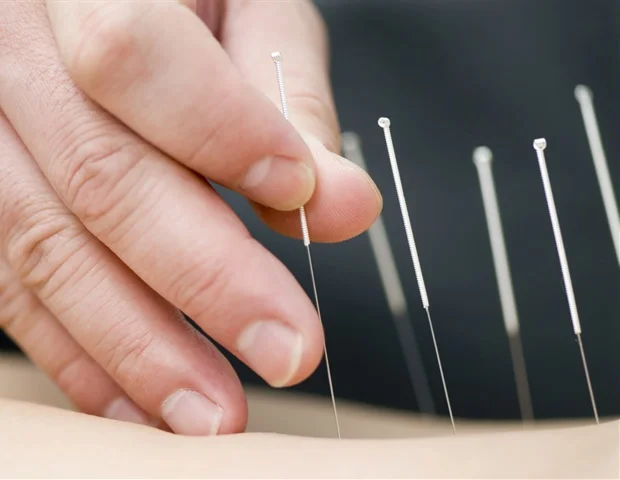
The research elucidates that acupuncture interventions commence with mechanical stimuli applied to specific acupoints. These forces are subsequently converted into neural signals through the action of mechanosensitive receptors and the complex interplay within connective tissues. This cascade of signals activates discrete sensory neurons located in the dorsal root and trigeminal ganglia, which then transmit this information to the spinal cord and brainstem. Subsequent central integration initiates efferent autonomic signals, encompassing pathways involving the vagus nerve, sympathetic nervous system, and the hypothalamic-pituitary-adrenal axis, enabling precise modulations of the immune response in both time and space.
At the local tissue level, acupuncture swiftly transforms the immune microenvironment. This transformation is characterized by the induction of controlled neurogenic inflammation, enhanced blood flow, and the coordinated interactions among cutaneous nerves, mast cells, fibroblasts, and various immune signaling molecules. On a systemic scale, anti-inflammatory mechanisms mediated by the vagus nerve serve to attenuate the excessive release of inflammatory cytokines. Concurrently, the sympathetic nervous system dynamically adjusts the activity of immune cells in accordance with the specific phase of the disease. The investigation also underscores the pivotal role of the enteric nervous system, demonstrating how acupuncture reinforces the integrity of the intestinal barrier and modulates interactions between gut microbiota and neuropeptides, thereby influencing systemic immunity.
Crucially, the characteristics of the applied stimulus, including its intensity, frequency, and depth, are determinants of which specific neural circuits are engaged. This phenomenon accounts for the observed bidirectional and context-dependent effects characteristic of acupuncture. Collectively, these findings establish a coherent “mechanical stimulation-neural coding-immune response” framework, effectively translating traditional holistic concepts into contemporary neurobiological terminology.
The authors posit that these revelations redefine acupuncture’s place within current neurobiological discourse. Far from functioning as a generalized placebo or a purely localized intervention, acupuncture operates as a sophisticated form of programmable neuromodulation that influences both sensory nerves and autonomic pathways. By elucidating the mechanisms through which distinct stimulation parameters activate specific neural circuits, acupuncture can be effectively integrated with emerging bioelectronic medicine strategies. This enhanced mechanistic clarity, they contend, provides a robust scientific foundation for incorporating acupuncture-inspired methodologies into modern therapeutic approaches for immune-related and inflammatory conditions.
Conceptualizing acupuncture as a circuit-based neuro-immune intervention unlocks novel avenues for translational research. The findings lend substantial support to the advancement of precision acupuncture protocols and the development of bioelectronic devices. Such innovative approaches hold the potential to offer non-pharmacological alternatives for the management of chronic inflammation, autoimmune disorders, pain syndromes, and gastrointestinal ailments. More broadly, this body of work serves as a bridge between traditional healing practices and contemporary systems neuroscience, illustrating how ancient therapeutic principles can inspire the development of next-generation neuromodulation technologies. As multi-omics data and artificial intelligence become increasingly integrated into this paradigm, acupuncture may play a significant role in shaping personalized, circuit-targeted therapies designed to restore immune balance, rather than merely suppressing symptomatic manifestations.